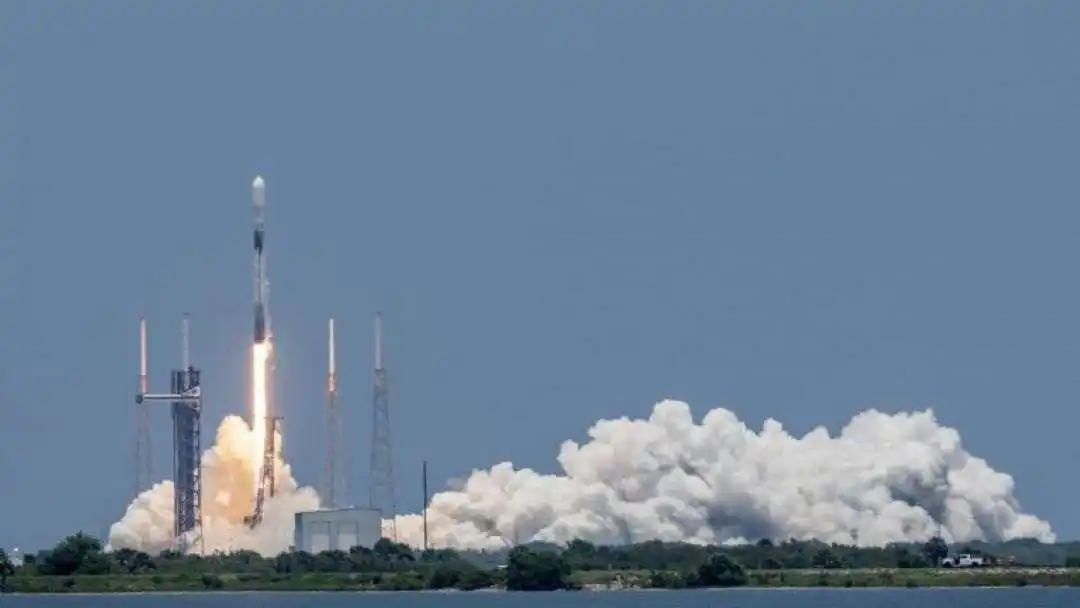
At exactly 1:37 p.m. EDT, the skies over Cape Canaveral Space Force Station in Florida bore witness to a pivotal moment in satellite navigation advancement. Lockheed Martin, a titan in aerospace and defense innovation, launched the eighth GPS III satellite, designated GPS III SV08, into orbit. The successful deployment of SV08 is more than a technical triumph—it is a strategic reinforcement of global positioning infrastructure, enhancing both civilian and military capabilities across the globe.
Following its insertion into orbit, GPS III SV08 swiftly achieved signal acquisition, confirming the initial phases of its mission were successful. The satellite is now undergoing rigorous operational testing at Lockheed Martin’s Launch and Checkout Operations Center in Denver, marking a critical step before its full integration into the GPS constellation that supports billions of users daily.
Rapid Deployment Cycle Reflects Technological Maturity
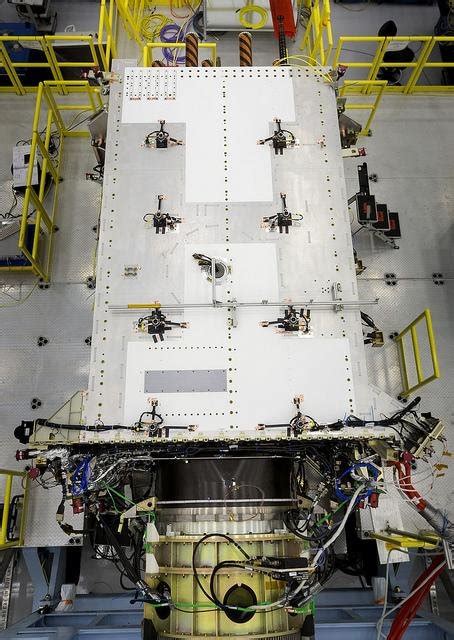
What sets the launch of SV08 apart is the remarkable acceleration in its deployment timeline. Mirroring the efficient trajectory set by its predecessor launched in December 2024, SV08 was transferred from Lockheed Martin’s advanced cleanroom in Colorado and prepared for launch in Florida in just over three months. This compressed schedule is a clear indicator of the company’s growing proficiency in satellite assembly, integration, and launch readiness.
Historically, such processes would span upwards of six months or more, but Lockheed Martin’s ongoing optimization of workflows and modular manufacturing techniques have dramatically reduced turnaround times. This streamlined approach reflects not only technological sophistication but also the company’s strategic commitment to readiness and rapid deployment—a vital capability in an increasingly contested and dynamic global security environment.
GPS III: Elevating Positioning, Navigation, and Timing Services
At the heart of the GPS III satellite program is a mission to enhance positioning, navigation, and timing (PNT) capabilities. These satellites serve as critical infrastructure for both civilian and military users, ensuring accurate, reliable, and resilient navigation services worldwide. SV08 continues this tradition by providing:
- Three times greater accuracy than legacy GPS satellites
- Eight times improved anti-jamming capabilities
- Longer design life, extending to 15 years or more
These upgrades are not mere improvements—they are transformational changes that enhance global navigation reliability in both peacetime and conflict. For everyday applications such as aviation, marine navigation, emergency response, and agriculture, SV08 promises increased precision. For military operations, it offers secure navigation continuity in hostile environments where signal denial or spoofing is a growing threat.
M-Code: Advancing Secure Military Navigation
The integration of M-Code Early Use capability is a defining feature of the GPS III satellites. M-Code, or Military Code, provides encrypted, jam-resistant GPS signals specifically for U.S. and allied armed forces. With the activation of SV08, there are now eight GPS III satellites operational with M-Code capability, expanding the secure navigational grid for military users.
This fortified signal ensures that American and allied forces can operate with strategic advantage, even in heavily contested or GPS-denied environments. The presence of M-Code in SV08 reinforces the system’s capacity to withstand signal interference, enabling accurate troop movements, targeting, and coordination.
Ground Segment Modernization: The Architecture Evolution Plan
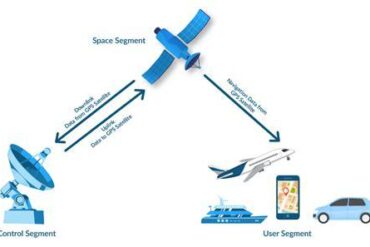
Complementing the deployment of next-generation satellites is the modernization of the GPS ground control infrastructure, spearheaded by Lockheed Martin under the Architecture Evolution Plan (AEP). This integrated system manages the health, status, and control of the full 31-satellite GPS constellation.
The AEP involves a global network of monitoring stations, communication antennas, and master control centers, ensuring real-time oversight and responsiveness. Among its recent upgrades is the enhancement of software automation, which enables:
- Faster anomaly detection and resolution
- Secure transmission of M-Code signals
- Robust cybersecurity measures
With these improvements, the ground segment not only sustains but also elevates the performance and resilience of the space-based GPS assets.
Lockheed Martin’s Role in Expanding the GPS Constellation
The successful launch of SV08 is a part of Lockheed Martin’s broader commitment to the evolution of the GPS constellation, including the transition to the GPS IIIF (Follow-On) satellite series. Under a recently awarded contract modification, the company is already in various stages of design and construction for future satellites that will push the envelope of space-based navigation technology even further.
The GPS IIIF series will feature cutting-edge enhancements, including:
- Fully digital payloads for reprogrammable flexibility
- Laser retroreflectors for precision orbit tracking
- Search-and-rescue payloads to assist global emergency networks
- Enhanced anti-jam antennas and nuclear detonation detection sensors
These satellites are designed not only to replace older assets but to revolutionize the capabilities of GPS for decades to come. With each launch, Lockheed Martin cements its position as a global leader in aerospace systems, pushing the frontiers of satellite performance and defense-grade reliability.
Strategic Importance in a Contested Space Environment
As global reliance on GPS intensifies, so too does the strategic imperative to protect and advance it. The increasing frequency of space-based threats—from signal spoofing and jamming to kinetic anti-satellite tests—has prompted a renewed focus on resilience and security in satellite networks. GPS III and IIIF satellites represent a direct response to these emerging challenges.
Lockheed Martin’s multi-domain expertise allows it to engineer solutions that withstand electromagnetic interference, operate through cyber-threat scenarios, and deliver assured PNT services under duress. The launch of SV08 is not only an achievement of scientific excellence but also a reinforcement of national and allied security in an increasingly contested domain.

Looking Ahead: The Next Generation of GPS Dominance
The GPS III SV08 launch stands as a critical milestone in the transition toward a next-generation GPS ecosystem. With eight advanced satellites now in orbit, M-Code capabilities expanding, and a highly automated ground segment in place, the architecture is forming for unprecedented reliability, accuracy, and global utility.
Moreover, the swift integration cycle of SV08 is a strong signal that Lockheed Martin is not only meeting defense and civilian navigation needs—it is anticipating them. The fusion of innovation, reliability, and speed places the company in a dominant strategic position as the world increasingly looks toward space-based systems for security, logistics, and operational efficiency.
As GPS satellites continue to silently orbit Earth, guiding planes, protecting troops, enabling smartphones, and powering supply chains, launches like SV08 underscore the invisible yet indispensable role that space technology plays in modern life. Lockheed Martin’s leadership ensures that this role remains secure, resilient, and ready for the challenges of tomorrow.