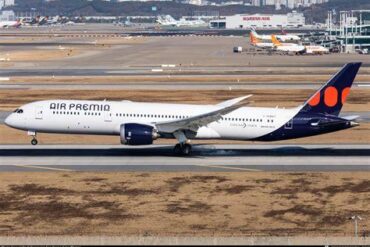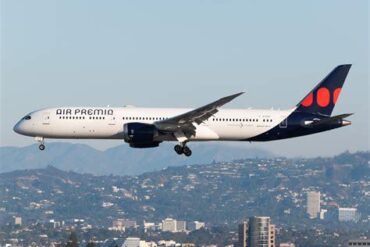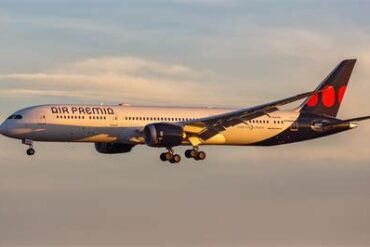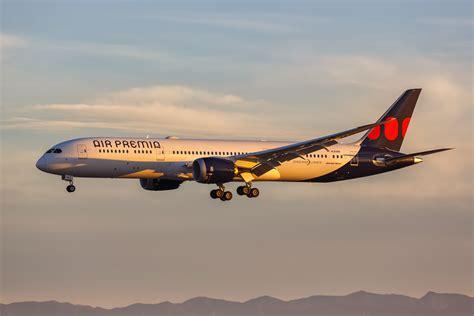
Air Premia, South Korea’s premier hybrid airline, has marked a significant milestone in its growth trajectory with the recent arrival of its eighth aircraft, a Boeing 787-9 Dreamliner. This strategic announcement, made on June 25, 2025, signifies the airline’s commitment to expanding its fleet and enhancing its global network of routes, positioning itself for solid growth as it navigates the competitive landscape of international aviation.
The addition of this new Dreamliner, identical to its existing fleet, is poised to provide higher operational flexibility and an improved quality of services for Air Premia’s increasingly diverse clientele. As the second aircraft acquisition for 2025, it places the airline in an advantageous position to bolster its presence on key international routes that cater predominantly to mid- to long-haul traffic. This expansion is a clear indication of Air Premia’s ambition to thrive in the evolving aviation market, where consumer preferences are shifting towards value-driven travel experiences.
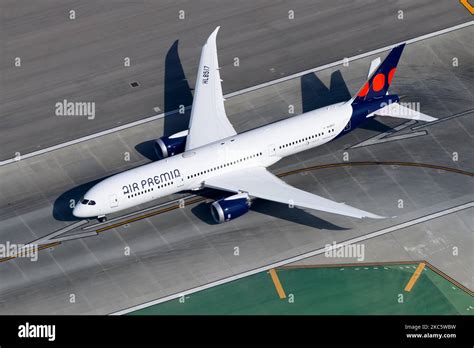
The Boeing 787-9 Dreamliner is renowned for its advanced technology and superior performance, featuring Rolls-Royce engines that enhance fuel efficiency and reduce noise levels. The new aircraft comes equipped with a spacious seating configuration that includes 35 seats in premium economy and 309 in standard economy, allowing Air Premia to scale its service offering effectively. By accommodating more passengers, the airline aims to elevate the overall travel experience with modern amenities and increased comfort, making long-haul journeys more enjoyable.
Before entering commercial service, the new Dreamliner will undergo rigorous inspections by relevant regulatory authorities. These standard procedures are crucial for ensuring compliance with safety regulations and maintaining operational integrity. Once operational, the aircraft is expected to be deployed on high-demand routes, further cementing the airline’s presence in vital markets.
Operational Growth and Fleet Expansion
The arrival of the eighth aircraft aligns with Air Premia’s broader strategy to enhance operational stability and improve service quality across its expanding network. This new addition allows the airline to operate more frequently on existing routes while exploring new destinations to meet the growing demand for long-haul travel. In tandem with this fleet expansion, Air Premia is also adding a fourth spare engine to its inventory, ensuring operational flexibility and preparedness for any unforeseen mechanical issues.
Currently, Air Premia operates four transpacific routes from its home base in South Korea, connecting major cities in the United States, including Los Angeles, New York, San Francisco, and Honolulu. Additionally, the airline services four key routes across Asia, including Bangkok, Tokyo Narita, Da Nang, and Hong Kong. With an expanding fleet, Air Premia is strategically positioned to meet the needs of passengers traveling between these critical international hubs, enhancing its competitiveness in the market.
Strategic Focus on Mid- to Long-Haul Routes
What sets Air Premia apart in the aviation landscape is its distinctive business model, which focuses on mid- to long-haul markets—territory that low-cost carriers (LCCs) typically avoid. By providing a hybrid service offering, the airline positions itself as a bridge between full-service airlines and budget carriers, catering to travelers who seek essential premium services without the hefty price tag associated with traditional carriers.
This strategic focus aligns seamlessly with current consumer trends, where there is an increasing demand for value-driven travel experiences. The expansion of Air Premia’s fleet mirrors a broader market trend, with passengers seeking both comfort and affordability. The airline’s unique offerings ensure that travelers can enjoy premium services at competitive prices, making it an attractive choice for those looking to balance quality and cost.
A Turning Point in Air Premia’s Business Strategy
The recent acquisition of the eighth aircraft is not merely an expansion of the fleet; it represents a pivotal step in Air Premia’s ambitions for global growth. An Air Premia spokesperson emphasized, “This eighth aircraft is more than just a fleet addition—it represents a key milestone in expanding our global network. We remain committed to delivering safe, on-time operations and earning continued trust from our customers.”
Support for the airline’s progress comes from its parent company, AP Holdings, which acquired a 70% stake in Air Premia, reinforcing its position as the largest shareholder. This strategic investment highlights the long-term growth potential of the airline and its commitment to reshaping the competitive landscape of South Korea’s aviation industry.
Future Prospects: A Hybrid Airline for the Future
Founded in 2022, Air Premia has rapidly established itself within the competitive international aviation market, offering long-haul routes typically underserved by low-cost carriers. By focusing on these routes and prioritizing both comfort and cost-efficiency, Air Premia has garnered a loyal customer base eager for more affordable options in long-haul travel. As the airline continues to expand, its mission remains clear: to be a “beloved airline that provides high-quality services with only the essentials.”
The addition of the eighth aircraft exemplifies Air Premia’s strategy to broaden its presence in the global aviation network while maintaining a steadfast focus on customer satisfaction and operational efficiency. With its unique approach and commitment to quality service, Air Premia is poised to solidify its reputation as a leading player in the rapidly evolving aviation market.
Conclusion
With the arrival of its eighth aircraft, Air Premia is on an ambitious trajectory toward becoming a global leader in hybrid airline services. Its investments in fleet expansion and a focus on mid- and long-range flying are set to establish the airline as a formidable force in the coming years. As Air Premia expands its global network, passengers can look forward to easier and more affordable travel on long-haul routes, with the assurance of established quality service and operational reliability.