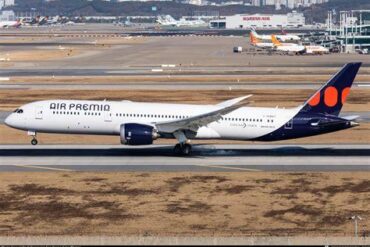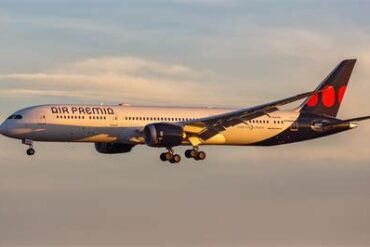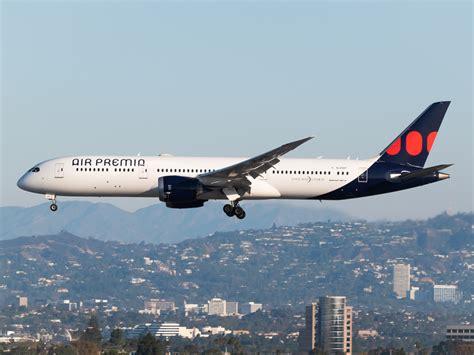
Air Premia has carved out a distinct identity in the fiercely competitive global aviation market. As a hybrid carrier headquartered in Seoul, South Korea, Air Premia bridges the gap between low-cost efficiency and full-service comfort. Founded in July 2017 by Kim Jong-chul, former president of Jeju Air, the airline has steadily grown in stature and reputation, officially commencing operations in August 2021. Built on a business model that combines value with premium services, Air Premia is pioneering a fresh segment in long-haul travel that caters to price-sensitive yet quality-conscious passengers.
Air Premia’s central hub at Incheon International Airport serves as the launchpad for an expanding portfolio of destinations across Asia, North America, and Europe. The airline’s success is underpinned by its modern Boeing 787-9 Dreamliner fleet, thoughtful route network, strategic interline agreements, and customer-focused onboard services that challenge traditional distinctions between low-cost and full-service airlines.
Vision and Founding Philosophy: A New Category in Air Travel
The vision of Air Premia was rooted in a bold ambition: to redefine mid-to-long-haul travel by offering a premium economy experience at an accessible price point. Rather than emulating the no-frills approach of typical low-cost carriers, the airline’s founders envisioned a “value-premium” proposition. This philosophy is reflected in every aspect of the airline, from cabin layout and service delivery to route selection and corporate partnerships.
Founded by Kim Jong-chul, whose tenure at Jeju Air provided valuable insight into cost-effective aviation operations, Air Premia strategically chose to focus on intercontinental routes from the outset. This differentiating decision was based on market analysis indicating a service gap in affordable, comfortable long-haul travel, particularly between Asia and North America.
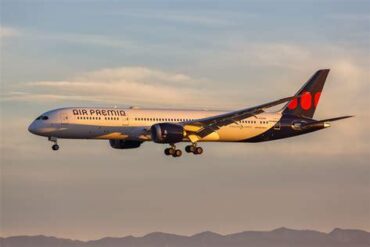
Fleet Strategy: The Boeing 787-9 Dreamliner Advantage
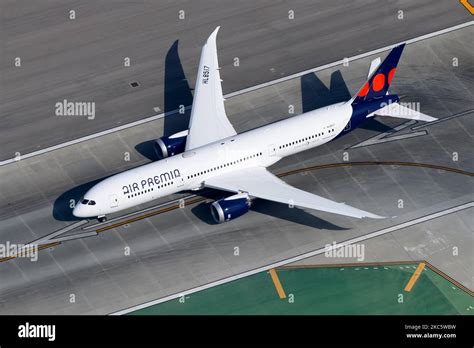
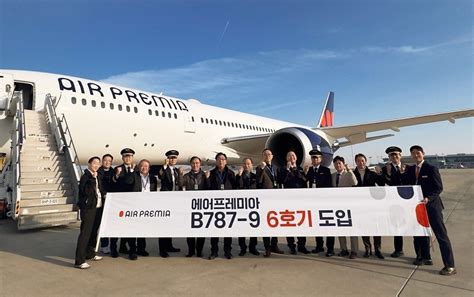
Air Premia operates a uniform fleet of seven Boeing 787-9 Dreamliners, with two more scheduled for delivery by the end of 2025. These next-generation aircraft were selected not only for their long-haul capability but also for their fuel efficiency, reduced carbon footprint, and ability to offer a superior passenger experience.
Each Dreamliner is configured with two distinct service classes:
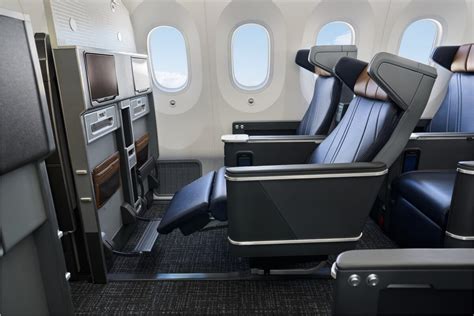
- Premia 42 (Premium Economy): 56 seats in a 2-3-2 layout, offering a generous 42-inch seat pitch. This class is ideal for travelers seeking enhanced comfort without the price tag of business class.
- Economy 35: 253 seats in a 3-3-3 layout, with a competitive 35-inch pitch, outperforming many global legacy carriers’ economy offerings.
This unique configuration enables Air Premia to offer comfort-driven travel while maintaining operating efficiencies synonymous with low-cost airlines.
Expanding Route Network: Strategic and Diverse
Air Premia’s route strategy is marked by careful curation rather than aggressive expansion. Its destination portfolio focuses on markets with strong demand, limited direct connectivity, or high fares from legacy competitors. As of 2025, the airline serves 11 international destinations, with a particular emphasis on the transpacific corridor.
Current active destinations include:
- North America:
- Los Angeles (LAX)
- Newark (EWR)
- San Francisco (SFO)
- Honolulu (Resuming July 2025)
- Asia:
- Tokyo (Narita)
- Bangkok (Suvarnabhumi)
- Da Nang
- Hong Kong
- Europe:
- Oslo (Charter)
- Barcelona (Charter)
- South Asia:
- Dhaka (Charter)
Several earlier destinations such as Singapore, Frankfurt, Ankara, and Ho Chi Minh City were suspended or terminated as part of Air Premia’s adaptive market response strategy. This agile approach enables the airline to prioritize profitability and network stability over unsustainable expansion.
Partnerships: Enhancing Global Connectivity
Air Premia has leveraged interline agreements to enhance its reach and connect passengers to a broader global network. Key agreements include:
- Alaska Airlines: Facilitating seamless connections across the Americas, particularly within the United States and Latin America.
- Korean Air: Enhancing regional links in Northeast and Southeast Asia, especially crucial amid Korean Air’s proposed merger with Asiana Airlines.
These collaborations support hub-spoke model efficiencies, giving Air Premia a competitive edge in international traffic flows without the cost of establishing a vast independent network.
Onboard Experience: Service that Surpasses Low-Cost Expectations
Air Premia’s onboard service is deliberately designed to transcend typical low-cost limitations. All passengers benefit from inclusive amenities that distinguish the airline from budget rivals:
- Generous checked baggage allowance
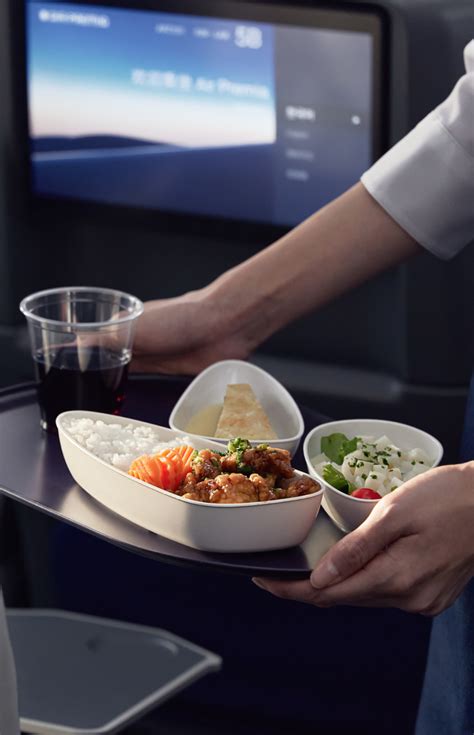
- Complimentary in-flight meals tailored for long-haul travel
- Personal in-flight entertainment (IFE) screens at every seat
- Seat selection at booking
In addition to complimentary offerings, passengers can purchase Wi-Fi services and duty-free items onboard, balancing convenience and monetization without diminishing the core service value.
The design of Premia 42 particularly stands out. It appeals to travelers who traditionally fly economy but are willing to upgrade for a substantial comfort boost — such as business travelers on a budget, families, and long-haul leisure travelers.
Market Positioning: The Hybrid Airline Model
Air Premia has effectively positioned itself as a hybrid airline, a relatively rare model in East Asia. Unlike traditional full-service carriers burdened with legacy costs or low-cost carriers focused solely on minimizing expenses, Air Premia leverages the best of both worlds:
- Lower operational costs due to a lean workforce and a single aircraft type
- Modern aircraft with fuel-efficient operations
- High customer satisfaction through thoughtful service design
This allows the airline to price its tickets competitively, often undercutting full-service carriers on transpacific routes while offering more comfort than budget competitors. This strategy has made it particularly attractive to younger, digitally-savvy travelers booking directly online.
Leadership and Strategic Growth
Under the leadership of CEO Yoo Myung-sub, Air Premia has maintained a measured growth trajectory. Avoiding the pitfalls of over-expansion, the airline focuses on sustainable profitability, operational resilience, and brand trust.
Key growth enablers include:
- Fleet expansion: Two more Boeing 787-9 aircraft are set to join the fleet by late 2025, leased from Korean Air
- Route optimization: Continuously evaluating route performance to fine-tune its international footprint
- Technology integration: Enhancing the customer experience through digital tools and direct sales channels
Challenges and Future Outlook
While Air Premia’s trajectory has been promising, the airline faces challenges typical of a young carrier in a competitive space:
- Rising fuel prices and operating costs
- Regulatory pressures, especially with intercontinental traffic rights
- Volatile international demand, particularly due to geopolitical tensions or pandemics
Nevertheless, its disciplined financial planning, operational agility, and customer-first culture position it well for future growth. Plans to expand frequencies on high-performing routes, enter new North American markets, and explore additional partnerships will be central to its continued ascent.
Conclusion: Redefining Long-Haul Travel for a New Generation
Air Premia is not just another airline—it is a transformative force in the aviation industry. With its hybrid model, state-of-the-art fleet, and strong leadership, it offers a new kind of long-haul experience that marries comfort, affordability, and global connectivity. As it continues to scale responsibly, Air Premia is poised to become a major player in the transpacific and pan-Asian skies, setting a benchmark for what modern air travel can and should be.