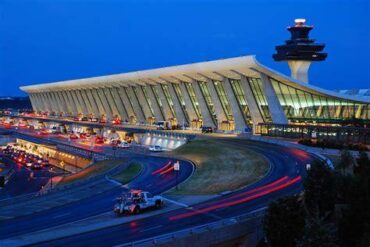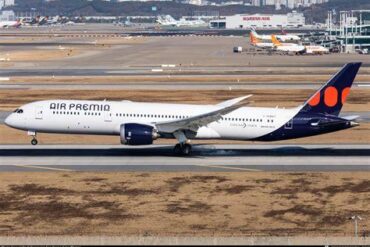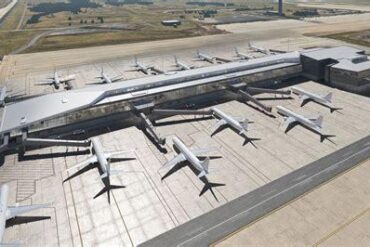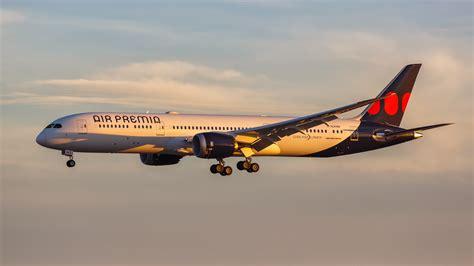
South Korea’s Air Premia, a hybrid long-haul operator with a steadily growing US presence, has unveiled its latest transpacific expansion: a new Seoul Incheon–Washington Dulles route launching in April. The carrier has quietly become one of the more intriguing disruptors in Asia–US travel, relying on efficient Boeing 787-9 Dreamliners to connect major American gateways with tightly focused point-to-point demand. This freshly announced service—blocked at up to 15 hours and 25 minutes due to the continued avoidance of Russian airspace—instantly becomes the longest US flight in Air Premia’s portfolio.
While small compared to the Korean Air and Asiana giants, the airline continues carving out niches with surprising effectiveness. Its strategy hinges on strong seasonal demand, lean operations, and a laser-focused network structure that avoids the cost and complexity of a global connecting hub.
A New Ultra-Long Route at the Heart of the Capital Region
The Seoul–Washington market may not be as large as Los Angeles or New York, but it remains remarkably strong. Across all DC-area airports—including Dulles, Reagan, and Baltimore—the metropolitan region saw approximately 154,000 Seoul-bound passengers over the past year and more than 1.5 million total Asia-bound travelers. Tokyo leads with 185,000 passengers annually, but Seoul sits comfortably in second place.
Until now, Korean Air has been the lone operator on the Incheon–Dulles nonstop pairing. Air Premia’s entrance marks the first time two airlines have served this city-pair, creating long-overdue competition. Flights will operate four times weekly—on Mondays, Wednesdays, Fridays, and Sundays—with a morning departure from Incheon and a same-day arrival into Dulles.
Schedule, Aircraft, and the Unique Challenge of Flying Westbound
Air Premia’s inaugural IAD flight departs April 24, perfectly timed for the high-yield summer season. The westbound leg, stretched nearly to the limits of the 787-9’s efficiency envelope due to detours around Siberia, reaches 15 hours and 25 minutes—a duration that places it among the longest regularly scheduled flights between Asia and the United States.
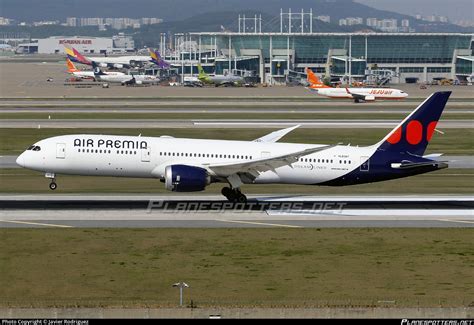
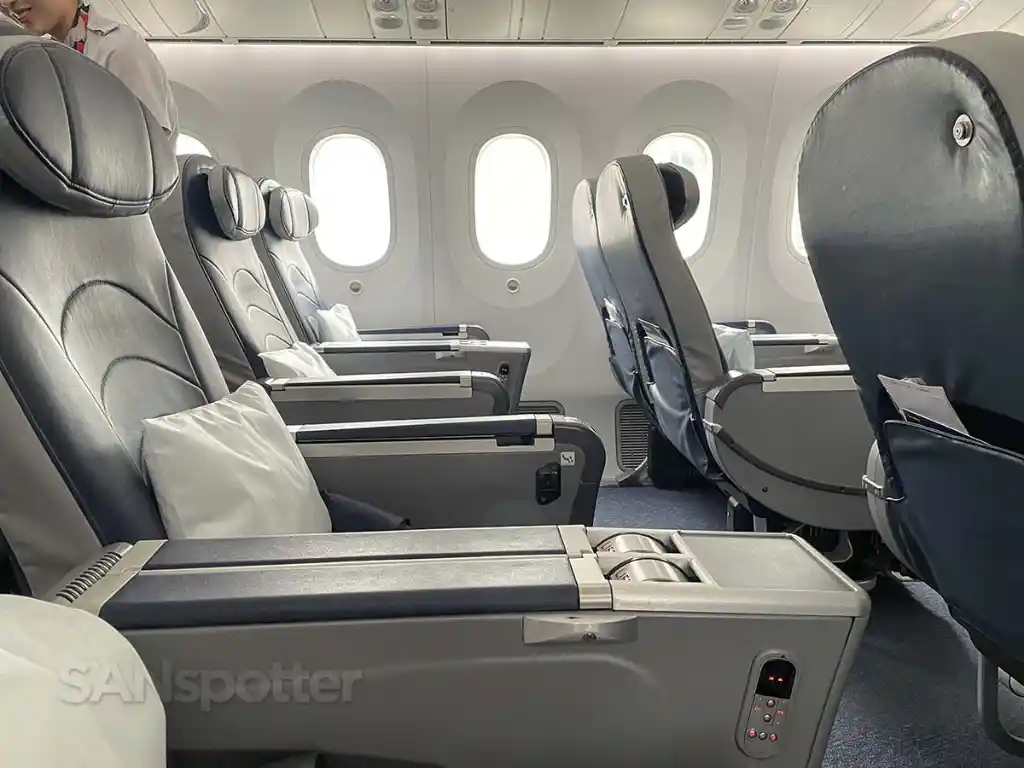
The airline operates a fleet of eight Boeing 787-9s, averaging 7.4 years old, with a ninth on the way. Configurations vary widely: some aircraft seat 309 passengers, others up to 344, a reflection of the airline’s modular approach to long-haul economics. These Dreamliners already serve multiple US gateways, and cabin variations mean travelers may encounter different seat maps depending on rotation and operational needs.
A Bold US Strategy Anchored in Lean, Focused Expansion
Air Premia’s US debut came in 2022 with Los Angeles service, followed by Newark and San Francisco in 2023, then Honolulu in 2025. A long-discussed Seattle route remains unannounced, though market conditions have shifted dramatically with the Alaska Airlines–Hawaiian Airlines entry earlier this year.
By May 2026, when Washington Dulles service is fully in place, the airline plans 31 weekly departures from Korea to the United States. Its lineup includes:
- 11 weekly flights to Los Angeles
- Daily service to Newark
- Five weekly flights to San Francisco
- Four weekly flights to Honolulu
- Four weekly flights to Washington Dulles
In a span of just one year, the carrier has nearly doubled its US frequencies—an ambitious move for an airline without a connecting network.
Point-to-Point Realities: High Risk, High Reward
Unlike Korean Air or Asiana, Air Premia does not rely on transfer traffic. Every seat sold must originate or end in Seoul or at the US destination, a model that can be unforgiving in long-haul markets. Carriers such as Norse Atlantic have shown how difficult this can be, with wild seasonal swings in profitability.
Still, Washington has the kind of diversified demand—government, military, tech, education, and global diplomacy—that often supports year-round long-haul flights. Combined with the region’s 4,100-plus daily Asia-bound passengers, the airline sees a potential niche worth claiming.
Air Premia’s Place in the Evolving Korea–US Skybridge
The broader Seoul–US market continues to surge. Across all carriers, the first week of May 2026 will see 242 weekly flights, representing substantial year-over-year growth. Air Premia’s share—about 13%—may seem small, yet it reflects a meaningful foothold for a non-legacy airline operating without subsidies or alliance support.
The lingering question is how the planned Korean Air–Asiana merger will reshape the transpacific landscape. Once completed, it may open strategic gaps in certain US markets—gaps Air Premia could exploit if it continues navigating the long-haul game with precision.
A New Player Steps Into the Capital’s Asian Travel Surge
With strong demand, competitive fares, and a rising profile among travelers seeking an alternative to the mega-carriers, Air Premia’s move into Washington Dulles arrives at a moment of significant momentum. Whether this 15-hour ultra-long flight becomes a sustainable mainstay will depend on its ability to thrive in a famously competitive corridor. But for now, the US gains a new nonstop bridge to Seoul—and a tiny airline gains a much bigger spotlight.