Taiwan’s flag carrier, China Airlines, is making an assertive push into the trans-Pacific market, unveiling plans for new routes and expanded frequencies across key U.S. gateways. In a direct response to escalating competition from EVA Air and the rapidly growing Starlux Airlines, China Airlines is eyeing a mix of emerging and established American cities to reinforce its position as a premium long-haul carrier.
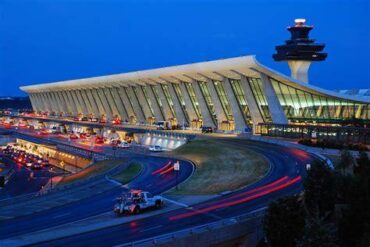
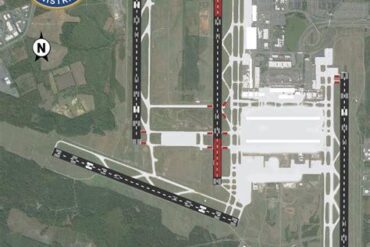
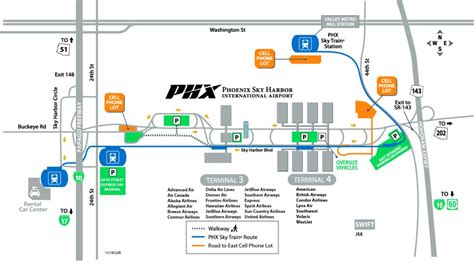
The airline has formally revealed its interest in launching direct services to Boston Logan International Airport (BOS), Washington Dulles International Airport (IAD), and Phoenix Sky Harbor International Airport (PHX)—three markets with rising demand for international connections but currently underserved by non-stop routes to Taiwan.
Fleet Modernization Paves Way for Long-Haul Expansion
At the heart of China Airlines’ expansion lies a strategic fleet overhaul. The carrier has committed to acquiring 55 new aircraft, with orders placed for 24 Boeing 787 Dreamliners, 10 Boeing 777-9s, and 10 Airbus A350-1000s. These aircraft are pivotal not only in replacing the aging Airbus A330-300s—16 of which are being retired—but also in enabling the network growth necessary for tapping deeper into North American demand.
The next-generation jets offer improved fuel efficiency, greater range, and passenger comfort enhancements such as quieter cabins, larger windows, and improved humidity control. These factors are crucial in the premium long-haul segment, where passenger expectations are high and operational cost-efficiency determines viability.
Targeting Underserved but High-Potential U.S. Cities
The decision to focus on Boston, Washington D.C., and Phoenix is both tactical and timely. Each city represents a strategic node with strong economic and demographic drivers:
- Boston: A global hub for education, biotech, and technology. Home to major universities and research institutions, it attracts frequent trans-Pacific travel by academics, students, and business professionals.
- Washington Dulles: As the main international gateway to the U.S. capital, IAD sees significant demand from government agencies, defense contractors, and international diplomats, making it a prime candidate for direct flights to Taiwan.
- Phoenix: One of the fastest-growing metropolitan regions in the United States. Its increasing population, booming tech sector, and large Taiwanese-American community offer a strong foundation for launching new services.
Introducing direct flights to these markets could give China Airlines a first-mover advantage, particularly in Phoenix, where Starlux Airlines is also preparing to enter in 2026.
Strengthening Presence at JFK, LAX, and SEA
Beyond expansion into new markets, China Airlines is reinforcing its commitment to its existing North American strongholds: New York JFK, Los Angeles (LAX), and Seattle-Tacoma International Airport (SEA).
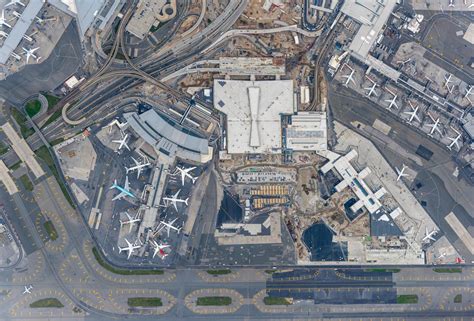
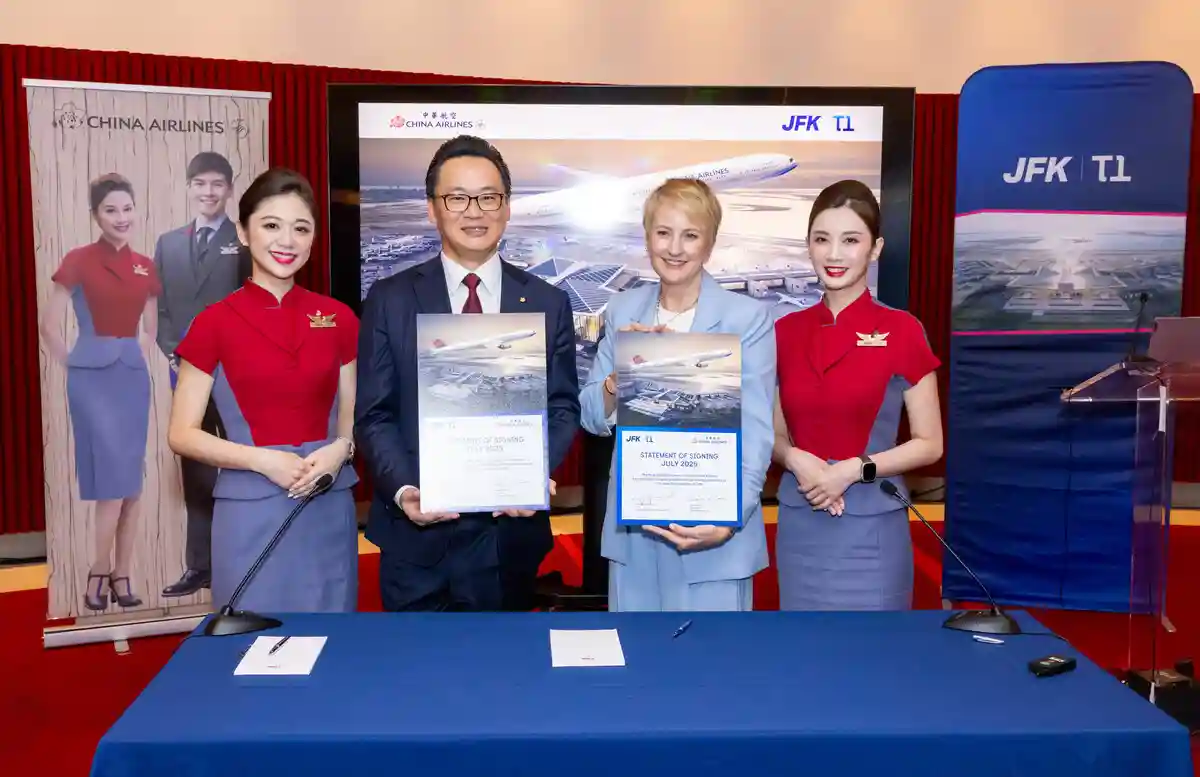
At JFK, the airline is preparing for a major move from Terminal 4 to the state-of-the-art Terminal 1, scheduled to open in June 2026. This transition is set to enhance passenger experience, reduce connection times, and integrate more smoothly with alliance partners.
Los Angeles, long a cornerstone of China Airlines’ U.S. operations, continues to benefit from robust demand driven by tourism, cargo, and a large expatriate community. The airline is increasing frequency on this route, in part to match EVA Air’s aggressive service levels.
In Seattle, China Airlines’ 2024 entry into the market was met with strong response. Just over a year since launching service, the airline has found the route to be a vital bridge for Pacific Northwest travelers seeking better access to East Asia.
The Competitive Heat: EVA Air and Starlux
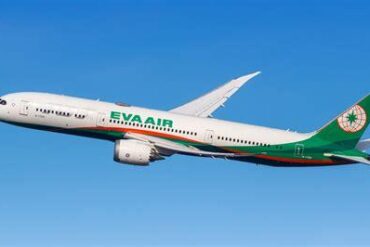
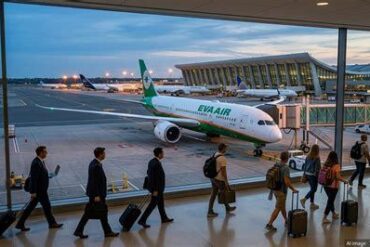
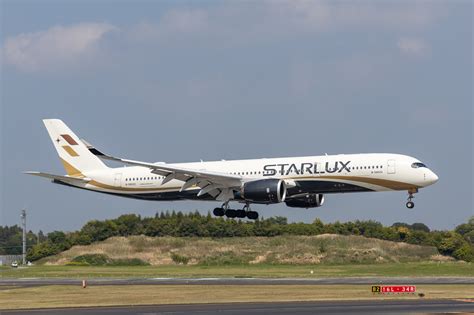
The U.S.-Taiwan aviation corridor is heating up rapidly. EVA Air has taken a prominent stance by announcing new service to Dallas Fort Worth International Airport (DFW) this October, expanding its U.S. destination list to seven cities. Meanwhile, Starlux Airlines, though the newest of Taiwan’s international carriers, is making fast inroads.
Starlux launched its Ontario (ONT) service in June and is already planning service to Phoenix in early 2026. Its growing network, modern fleet, and boutique-style onboard service are raising the bar for trans-Pacific travel. As the competition mounts, passenger loyalty and schedule flexibility are becoming deciding factors.
Alliances and Partnerships Expand Reach
China Airlines is expanding its strategic partnerships to bolster connectivity and customer convenience. In June 2025, the airline inked a pivotal interline agreement with Southwest Airlines. This partnership will allow seamless connections from China Airlines’ U.S. arrival points to Southwest’s extensive domestic network.
Although this initial phase does not include reciprocal frequent flyer benefits, it represents a significant connectivity upgrade for passengers arriving in the U.S. from Taiwan. It simplifies access to secondary cities, where China Airlines doesn’t operate directly.
Additionally, China Airlines continues to collaborate closely with Delta Air Lines via the SkyTeam alliance. Passengers can accrue and redeem miles on both carriers, a major draw for business travelers and loyalists.
Key Drivers of U.S.-Taiwan Market Demand
Several long-term trends are fueling the resurgence of U.S.-Taiwan air travel. These include:
- Post-pandemic tourism recovery: With restrictions lifted, pent-up travel demand is being unleashed across both leisure and VFR (visiting friends and relatives) segments.
- Technology and trade links: Taiwan’s central role in the global semiconductor supply chain means executives, engineers, and technical staff travel frequently between hubs like Hsinchu and Silicon Valley, Boston, or Austin.
- Government collaboration: Ongoing geopolitical developments have led to increased governmental and diplomatic exchanges, particularly with Washington, D.C.
- Cultural and diaspora ties: Taiwanese-American communities across California, New York, and Arizona remain key sources of consistent demand.
Navigating Expansion Challenges
While China Airlines is building momentum, executing this expansion will require meticulous planning. Launching new trans-Pacific routes is an endeavor filled with complexities:
- Regulatory approvals: Establishing international services involves securing bilateral agreements, landing rights, and slot allocations.
- Airport coordination: Infrastructure, terminal availability, and gate assignments must align with operational schedules and passenger flow.
- Market cultivation: New routes demand significant marketing investment, local sales partnerships, and incentives to educate and attract travelers.
Moreover, external risks such as volatile fuel prices, macroeconomic slowdowns, or geopolitical tensions could quickly alter demand projections. Airlines must remain agile, ready to adjust frequencies or delay launches depending on real-time data.
Looking Forward: A Pivotal Moment in Trans-Pacific Aviation
China Airlines’ decisive U.S. strategy signals that the post-pandemic recovery phase is over—we’re now in a growth phase defined by fleet innovation, market expansion, and competitive recalibration. The addition of cities like Boston, Washington Dulles, and Phoenix represents more than network expansion—it’s a direct challenge to rival carriers and a strategic effort to align supply with forecasted demand across emerging U.S. regions.
In tandem, the ramp-up in capacity at JFK, LAX, and SEA will deepen the airline’s U.S. presence, further solidified by smart partnerships like those with Southwest and Delta.
For airports, travel agencies, tourism boards, and travelers, this is a development worth watching. The next 18–24 months could redefine Taiwan–U.S. air travel dynamics, ushering in a more competitive, more connected era.