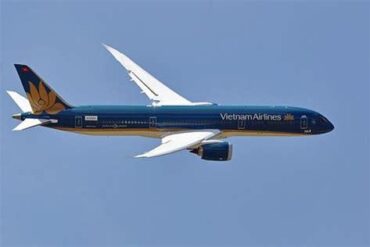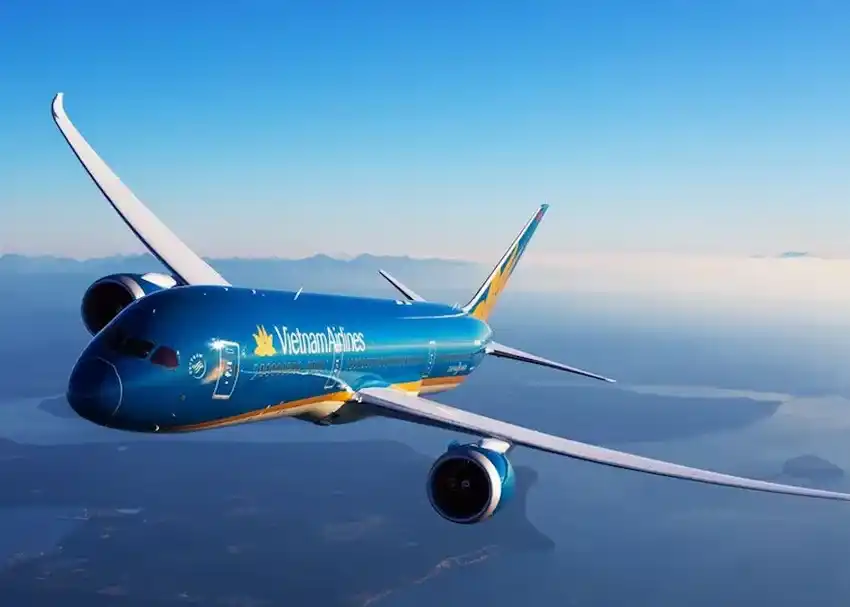
Vietnam Airlines is preparing for a monumental leap in 2025 with a target of 25.4 million passengers, underscoring its bold ambition to reclaim and surpass its pre-pandemic market stature. This target, revealed during a high-stakes shareholder meeting on June 25, 2025, reflects a year-on-year passenger growth of 11.6%, complemented by a projected cargo handling increase of 11.5%, or 346,000 tonnes. Alongside these metrics, the carrier is forecasting a revenue milestone of 116.71 trillion VND (approx. $4.46 billion USD), marking a 3.5% climb over 2024 projections.
Strategic Vision Anchored in Fleet Expansion and Operational Efficiency
A cornerstone of Vietnam Airlines’ strategy is fleet modernization. Chairman Dang Ngoc Hoa outlined a 92 trillion VND investment plan aimed at acquiring 50 next-generation narrow-body aircraft between 2030 and 2035. These additions are expected to reduce fuel consumption, enhance carbon efficiency, and elevate competitiveness across both domestic and international markets.
Beyond fleet enhancement, the airline is optimizing operations by upgrading its hub infrastructure. Airports like Noi Bai and the future-forward Long Thanh International Airport are focal points of this investment. The strategy ensures operational agility, supports the carrier’s capacity ramp-up, and aligns with anticipated passenger growth.

Vietnam Airlines is also sharpening its value chain capabilities, scaling services such as engineering, logistics, and inflight catering. This lateral expansion aims to minimize external dependency, reduce long-term costs, and enhance control over quality and customer experience.
Global Route Network Expansion: Reclaiming the Skies
As part of its expansive growth blueprint, Vietnam Airlines has been systematically rebuilding its international network, a key priority following global aviation’s pandemic-induced disruptions. In 2025 alone, the airline has launched five new international routes to Beijing, Bangkok, Bengaluru, Hyderabad, and Busan, marking strategic penetrations into pivotal markets.
Furthermore, the airline has resumed key long-haul and regional routes including Moscow, Bali, Kuala Lumpur, and Hong Kong, signaling resilience and renewed global ambition. Looking forward, Milan is set to join the Vietnam Airlines route map in July 2025, followed by Copenhagen in December, as the airline positions itself as Southeast Asia’s second-largest carrier by passenger volume.
From Regional Favorite to Asian Powerhouse: A Path to Skytrax 5-Star Status
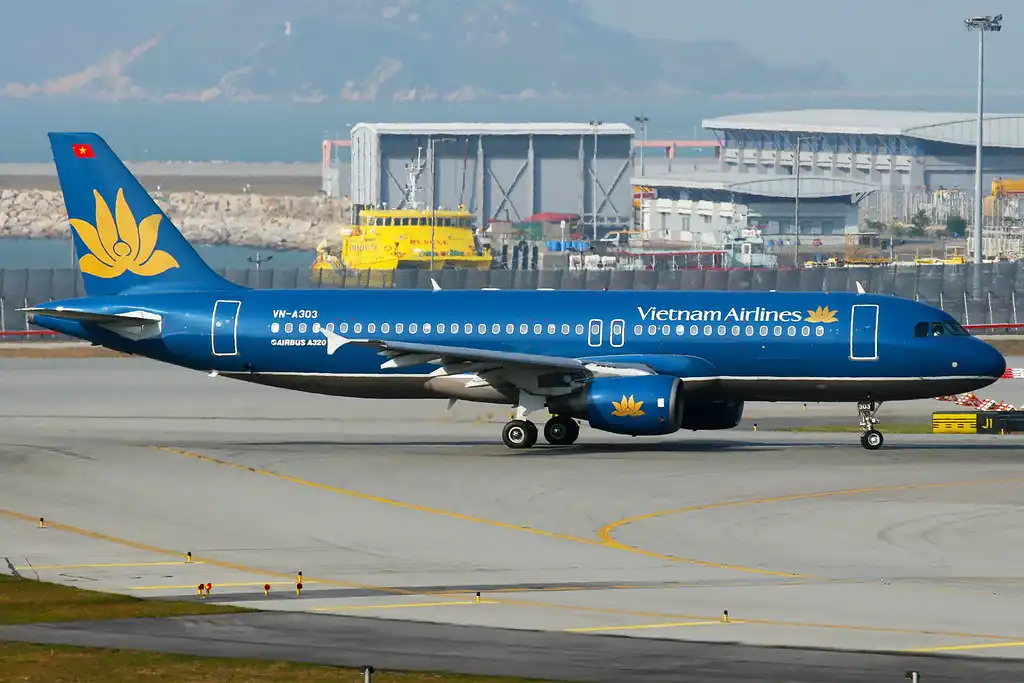
At the core of Vietnam Airlines’ growth plan is an unwavering focus on service quality and brand prestige. Currently boasting a 4-star Skytrax rating, the airline is aggressively pursuing 5-star certification through a meticulous restructuring roadmap. This includes asset optimization, capital reallocation, and the adoption of global governance standards.
CEO Le Hong Ha articulated the airline’s ambition to become one of Asia’s top 10 most preferred airlines. Integral to this goal is a comprehensive digital transformation initiative, involving technology partnerships with VNPT and FPT. These collaborations are elevating in-flight connectivity, rolling out Wi-Fi services, and overhauling back-end IT infrastructure for superior efficiency and scalability.
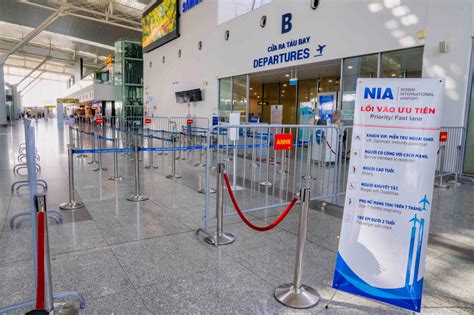
The airline has already implemented an electronic passenger identification system, aligning with Vietnam’s national digital transformation roadmap under Resolution 57-NQ/TW. This move not only modernizes the check-in and boarding process but also supports national efforts in building a smart, data-driven travel ecosystem.
Commitment to ESG and Sustainability
Vietnam Airlines is aligning with global aviation’s pivot toward Environmental, Social, and Governance (ESG) standards. A central element of its sustainability strategy is fuel efficiency and the gradual integration of sustainable aviation fuels (SAFs). These actions aim to reduce emissions and support global climate commitments, while also satisfying the eco-conscious traveler’s growing expectations.
In tandem, the airline is investing in human capital development. Vietnam Airlines is rolling out training programs and cultural initiatives to foster a globally competitive workforce, equipped to deliver top-tier service while maintaining operational excellence. By promoting international best practices in leadership and management, the airline is embedding innovation and agility at every organizational level.
Financial Performance: A Resilient Rebound
Vietnam Airlines closed 2024 on a high note, posting a record consolidated revenue of 112.78 trillion VND and a post-tax profit of 7.96 trillion VND. The airline operated 139,700 flights, served 22.75 million passengers, and achieved an 85% on-time performance rate, underlining both operational reliability and market momentum.
Fleet availability peaked at 95%, an exceptional benchmark in the industry. The airline’s expansive network now spans 58 international and 38 domestic routes, reaching 52 destinations across 18 countries. These statistics mark a near-complete return to pre-pandemic network capacity, positioning Vietnam Airlines on a trajectory of accelerated post-COVID growth.
Toward 2025 and Beyond: A Future-Ready Airline
Vietnam Airlines’ 2025 growth target is not merely a numerical aspiration—it is a reflection of strategic foresight, operational resilience, and brand elevation. Through significant investments in fleet, digital capabilities, route network, and sustainable practices, the airline is charting a deliberate path to leadership in both Southeast Asia and broader Asia-Pacific.
This transformation is not isolated; it aligns with broader industry trends, where data-driven personalization, low-emission aviation, and seamless customer experiences define the new normal. Vietnam Airlines is methodically adapting to these standards, ensuring its evolution into a future-ready carrier capable of competing with global legacy giants.
With Vietnam’s tourism and business travel sectors rebounding strongly, and international connectivity steadily expanding, the airline’s ambition to transport 25.4 million passengers in 2025 appears both aggressive and attainable. As the industry continues its ascent from one of its most challenging periods, Vietnam Airlines stands not only as a national flag-bearer but as a regional aviation powerhouse ready to lead, innovate, and inspire.