For most passengers, the moment an aircraft touches down marks the end of a journey. The seatbelt sign turns off, phones come out, and travelers prepare to leave the cabin. However, while passengers walk toward the terminal, another carefully coordinated operation begins outside the aircraft. Behind the scenes, airport ground crews enter a high-pressure race against time to prepare the same aircraft for its next departure.
A typical aircraft turnaround can last only 25 minutes, especially for narrowbody aircraft operating short-haul routes. This short window begins with “chocks on,” the moment wheel blocks are placed around the landing gear and the aircraft is secured at the gate. It ends with “chocks off,” when the blocks are removed and the aircraft is ready to leave.
During those few minutes, dozens of workers perform hundreds of individual tasks. Bags must be removed and reloaded, fuel must be added, the cabin must be cleaned, catering must arrive, safety inspections must be completed, and passengers for the next flight must board. Every action must happen in the correct order because even a small delay can affect an entire airport schedule.
The efficiency of this process is one of the reasons modern aviation can move millions of passengers every day. Aircraft are expensive assets, and airlines depend on keeping them flying as much as possible. A plane sitting at a gate earns no revenue, so ground operations are designed around speed, accuracy, and safety.
Aircraft Turnaround Begins Before Passengers Leave the Gate
The turnaround process does not suddenly begin after landing. Long before the aircraft arrives, airport teams are already preparing for its arrival. Baggage handlers organize luggage flows, gate agents confirm passenger information, fuel providers prepare equipment, and ground coordinators monitor the aircraft’s estimated arrival time.
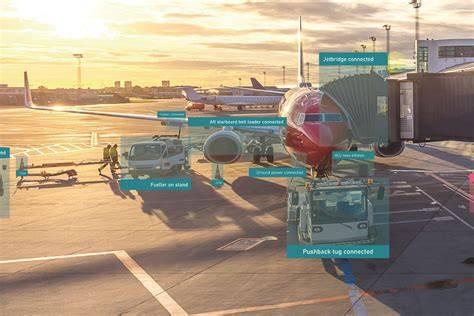
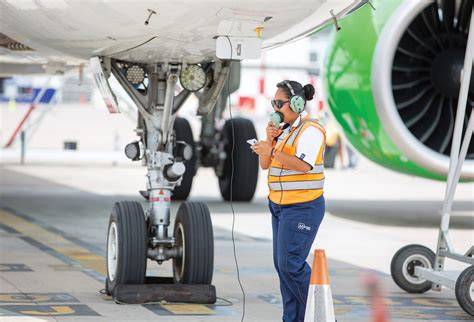
As soon as the aircraft reaches its parking position, the ground team moves into action. Wheel chocks are installed, external power is connected, and communication begins between the cockpit crew and the ramp workers. These early steps allow other activities to start immediately.
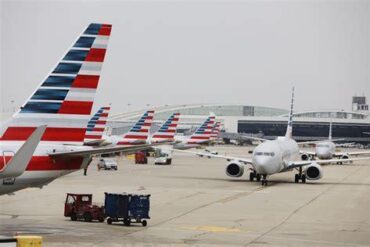
Passengers often see only a small part of this operation. They may notice a fuel truck arriving or baggage carts moving around the aircraft, but the full scale of the activity remains hidden behind the cabin windows.
At busy airports, aircraft turnaround resembles a carefully choreographed performance. Every worker knows their responsibility, and every vehicle has a specific purpose. There is little room for confusion because multiple teams are working around the aircraft simultaneously.
Emptying the Aircraft: Removing Everything From the Previous Flight
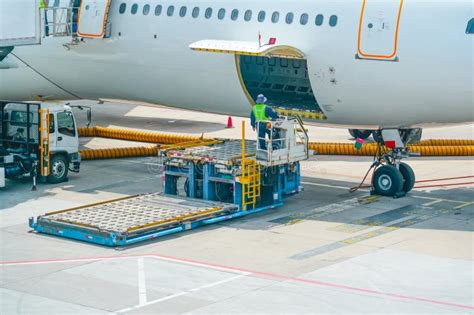
The first major challenge is removing everything that belongs to the previous journey. While passengers exit through the jet bridge or stairs, baggage teams begin unloading checked luggage from the cargo compartments underneath the aircraft.
The cargo hold contains far more than passenger suitcases. Depending on the route, aircraft may carry freight, mail, company equipment, and special shipments. Widebody aircraft often use Unit Load Devices (ULDs), large standardized containers that allow crews to move significant amounts of cargo quickly.
Narrowbody aircraft usually require more manual handling. This is why passengers sometimes notice baggage handlers moving quickly around the aircraft. Their work must balance speed with protecting thousands of valuable personal items.
Another essential but less visible task is servicing the aircraft’s waste systems. Toilets must be emptied, waste tanks serviced, and water systems replenished. Although passengers rarely think about these systems, they are critical for maintaining comfort and safety on the next flight.
The cabin also requires attention. Cleaning teams remove trash, collect forgotten items, wipe surfaces, refresh toilets, and prepare seats. The amount of cleaning depends on the next mission of the aircraft. A short domestic flight may require a quick turnaround cleaning, while a long-haul international service demands much more detailed preparation.
Cabin Cleaning: The Challenge of Making Aircraft Ready Again
Aircraft cabins experience heavy use every day. Hundreds of passengers may touch seat surfaces, tray tables, screens, overhead bins, and lavatory areas before the aircraft reaches its next destination.
Cleaning crews work under strict time pressure because they often have only a few minutes before boarding begins. Their tasks include removing newspapers, collecting cups and food waste, checking seat pockets, arranging safety cards, and ensuring that emergency equipment remains accessible.
Airlines have experimented with reducing cleaning procedures to save turnaround time and lower operating costs. However, passenger expectations and hygiene standards make major reductions difficult. Cleanliness has become an important part of the travel experience, especially after global health concerns increased awareness of aircraft sanitation.
The work is especially demanding because aircraft cabins are not designed like ordinary rooms. Narrow aisles, compact lavatories, and limited movement space make cleaning an aircraft much more difficult than cleaning many other public environments.
Refueling, Catering, and Loading the Next Flight
While one team cleans the aircraft, other crews begin preparing it for the next group of passengers. Aircraft refueling usually starts shortly after arrival because adding thousands of gallons of jet fuel can take significant time.
Fuel requirements depend on the aircraft type, route length, weather conditions, passenger load, and operational requirements. Ground teams must deliver the correct amount of fuel while following strict safety procedures around the aircraft.
At the same time, catering trucks approach the aircraft to replace meals, drinks, and supplies. For airlines operating long flights, catering involves much more than simply loading food. Crews must replace ovens, beverages, utensils, service equipment, and special passenger meals.
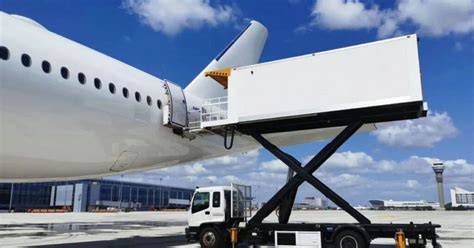
Baggage loading begins as soon as possible after unloading is completed. Teams organize luggage according to destination, transfer requirements, and loading plans. A mistake during this stage can create missing baggage problems or delays after arrival.
Modern airports rely heavily on coordination software and automated systems to track these movements. Ground controllers monitor whether each step is completed on schedule and immediately respond if something goes wrong.
The Safety Checks Passengers Never See
Speed is important, but safety always comes first. While ground crews prepare the aircraft, pilots and maintenance personnel perform their own inspections.
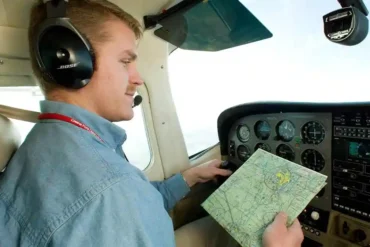
After landing, pilots are responsible for checking the aircraft condition. Usually, the first officer conducts an exterior walk-around inspection, examining important areas including the engines, landing gear, wings, sensors, and aircraft surfaces.
They look for signs of damage, leaks, unusual conditions, or anything that could affect the next flight. Even small issues can require additional inspection by engineers before the aircraft is allowed to depart.
Maintenance teams may also perform technical checks depending on the aircraft’s condition and operational requirements. Modern aircraft contain thousands of components, and aviation regulations require strict procedures to ensure continued safety.
Some inspections focus on unusual risks. For example, aviation authorities have warned pilots and ground teams about insects building nests inside aircraft sensors such as pitot tubes. Small environmental hazards can create serious safety concerns if they affect critical systems.
The Final Minutes Before Pushback
The last few minutes of a turnaround are often the busiest. Passengers are boarding, final bags are being loaded, cabin crew are completing preparations, and the cockpit crew is finishing departure procedures.
The aircraft cannot simply wait until the final second. Ground equipment must be removed before departure, including passenger bridges, stairs, fuel hoses, and baggage vehicles. These steps must be completed before pushback begins.
The aircraft’s scheduled departure time depends on this precise coordination. Missing a departure slot can create delays not only for one flight but also for other aircraft waiting for gates, runways, or air traffic control clearance.
Once everything is complete, the ground team removes the wheel chocks, disconnects equipment, and gives the aircraft clearance to leave the stand. The aircraft begins taxiing, and the same ground crew immediately moves on to prepare another aircraft.
The Companies Behind Airport Ground Handling Operations
Many passengers assume airlines directly employ every person working around an aircraft. In reality, a large portion of airport ground handling is performed by specialized contractors.
Companies such as Swissport and DHL provide services including baggage handling, aircraft cleaning, cargo operations, passenger assistance, and airport logistics. These companies allow airlines to focus on flying operations while relying on experienced specialists for turnaround services.
Ground handling has become increasingly important as airlines attempt to improve punctuality and reduce costs. A reliable ground operation can make the difference between an efficient schedule and a chain reaction of delays.
Modern ground handling companies are also investing in new technology and sustainability. Electric ground vehicles, digital tracking systems, and improved operational planning are becoming more common at airports around the world.
Why Aircraft Turnarounds Are One of Aviation’s Greatest Operations
The 25-minute aircraft turnaround is a remarkable example of teamwork in aviation. Passengers may only see a plane arrive and depart, but between those moments lies a complex operation involving dozens of people performing specialized tasks.
Every cleaned seat, loaded suitcase, inspected engine, and refueled aircraft represents another step toward a safe departure. The next time a flight leaves the gate exactly on schedule, it is worth remembering that a hidden team of professionals has already completed a carefully planned mission before the aircraft ever reaches the runway.
The work of ground crews rarely receives the same attention as pilots or flight attendants, but their role is essential. Without their speed, precision, and coordination, the global aviation network would simply not function.