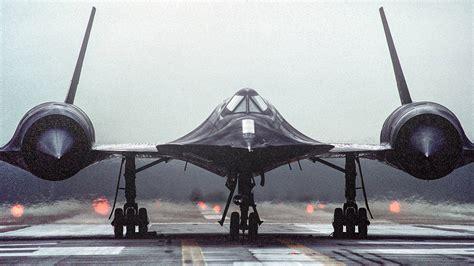
The Lockheed SR-71 Blackbird was one of the most advanced aircraft ever built, but its legendary performance came with an enormous price on the ground. While the aircraft could cross continents at Mach 3.2 and operate near the edge of the atmosphere, every landing marked the beginning of another demanding mission: keeping the aircraft alive for its next flight.
For the ground crews responsible for maintaining the Blackbird, a successful mission did not end when the wheels touched the runway. In many ways, the hardest work began after touchdown. The aircraft returned carrying the physical consequences of extreme speed, intense heat, and violent aerodynamic forces. Every panel, engine component, fuel system, and life-support device had to be examined with extraordinary attention.
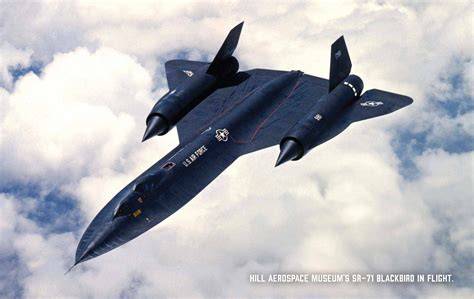
The SR-71 was unlike any conventional aircraft in military service. Its titanium airframe, specialized engines, unique fuel system, and spacecraft-like cockpit created maintenance challenges that engineers had never faced before. A normal fighter or bomber might require routine inspections after a flight, but the Blackbird demanded a highly specialized process that could take many hours.
The aircraft’s design itself created many of these challenges. At Mach 3 speeds, friction heated the outer skin to temperatures exceeding 1,000°F (538°C). Components expanded during flight and contracted after landing. Fuel leaked by design. Engines operated under extreme thermal stress. Every flight placed the aircraft through conditions that would have destroyed a conventional airframe.
For the technicians who serviced the SR-71, landing was only the beginning of a carefully controlled recovery process.
The Immediate Post-Flight Inspection After A Mach 3 Flight
When an SR-71 returned from a mission, ground crews did not immediately begin removing panels or performing repairs. The first step was allowing the aircraft to enter a controlled post-flight condition.
The heat generated during a high-speed mission remained one of the biggest concerns. The Blackbird’s skin could become extremely hot during flight, with some areas reaching temperatures far beyond what traditional aircraft structures experienced. Technicians had to approach the aircraft carefully because touching certain areas too soon could cause burns.
The aircraft also required time for its structure to stabilize. During flight, the titanium panels expanded because of aerodynamic heating. After landing, the cooling process caused the materials to contract again. This repeated expansion and contraction cycle created enormous stress on joints, fasteners, and seals.
Ground crews carefully inspected the aircraft’s exterior for signs of damage caused by this thermal stress. They searched for warped panels, unusual gaps, damaged fasteners, and microscopic cracks that could become serious failures during another high-speed mission.
The inspection process was extremely detailed. According to historical maintenance accounts, structural specialists could spend approximately six hours examining the aircraft exterior alone, checking thousands of components and searching for even the smallest abnormalities.
A Blackbird returning with only minor problems was considered a successful outcome. The aircraft operated in such an extreme environment that maintenance teams expected to find issues after every mission.
Why The SR-71 Titanium Airframe Required Special Treatment
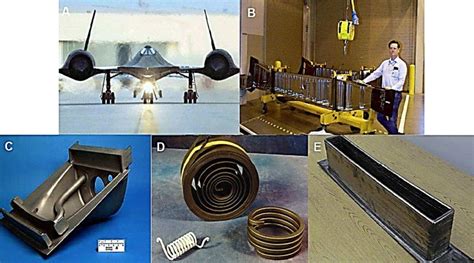
The SR-71’s titanium construction was one of its greatest advantages and one of its greatest maintenance challenges. Traditional aluminum aircraft could not survive the temperatures produced by sustained Mach 3 flight, so Lockheed engineers developed a structure primarily made from titanium alloys.
Titanium allowed the Blackbird to remain strong under extreme heat, but it also introduced unique maintenance requirements. The aircraft was designed to expand during flight, meaning many components did not fit perfectly when the aircraft was cold on the ground.
The famous gaps between some SR-71 panels were intentional. When the aircraft heated up at high speed, those gaps closed as the structure expanded. However, this design meant ground crews had to constantly monitor the condition of every structural area.
Maintenance specialists performed detailed inspections of titanium panels, welds, and fasteners. They used specialized equipment to detect hidden problems that could not be seen with the naked eye.
One unusual procedure involved parts removed from the aircraft. Because temperature changes affected the dimensions of components, some fasteners and panels needed special preparation before being installed again. Technicians sometimes heated components to replicate operational conditions and prevent problems caused by thermal distortion.
The Blackbird was essentially an aircraft that changed shape during flight. Maintaining it required understanding not just how it looked on the ground, but how it behaved at three times the speed of sound.
The Landing Gear And Tires Needed Extreme Attention
Returning from a mission placed tremendous stress on the SR-71 landing gear system. The aircraft weighed around 140,000 pounds (63,503 kilograms) and landed at high speeds, creating significant forces on the wheels, tires, and structural components.
Ground crews inspected the landing gear after every flight because failure during takeoff or landing would have catastrophic consequences.
Technicians examined the landing gear struts for signs of fatigue and used advanced inspection methods to identify internal damage. Hidden cracks inside metal components could not always be detected visually, so specialized testing equipment was used to locate possible weaknesses.
The SR-71’s tires were also specially designed for the aircraft’s extreme operating environment. Normal aircraft tires could not survive the heat generated during high-speed operations. The Blackbird used BFGoodrich tires containing aluminum powder, which helped reflect heat and improve durability.
Even with this specialized design, every tire required careful inspection. Crews looked for damage, overheating, abnormal wear, and structural problems that could lead to failure during the next mission.
Inside The Cockpit: Maintaining A Spacecraft-Like Environment
The SR-71 cockpit was not simply an aircraft cockpit. At operational altitude, the Blackbird flew above 85,000 feet, where humans could not survive without specialized protection.
The pilots wore David Clark S1030 full-pressure suits, equipment similar to early astronaut spacesuits. After every mission, the survival equipment required careful inspection.
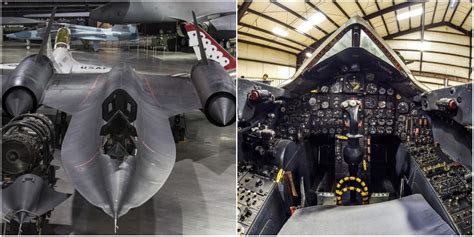
Ground crews helped pilots remove their pressure suits after landing. The equipment was then cleaned, dried, inspected, and prepared for future flights. Any failure in the pressure suit system at extreme altitude could become life-threatening within seconds.
The cockpit itself also required extensive attention. Unlike ordinary aircraft, the SR-71 could not rely on normal outside air for cooling because the air entering the aircraft at high speed was extremely hot.
Instead, the Blackbird used a sophisticated cooling system involving liquid nitrogen. After each flight, technicians inspected the system, checked connections, removed moisture, and ensured that the cooling equipment would function correctly during the next mission.
The cockpit seals were another critical area. Technicians inspected every seal for cracks, deterioration, or damage. Even a tiny failure could compromise the pressurized environment required for high-altitude flight.
The J58 Engines Required Hours Of Detailed Inspection
The SR-71’s Pratt & Whitney J58 engines were among the most remarkable propulsion systems ever developed. They were not ordinary turbojets. At high speeds, they operated like a hybrid between a turbojet and a ramjet, allowing the Blackbird to maintain sustained flight above Mach 3.
After landing, engine specialists began one of the most demanding inspection routines on the aircraft.
The first step involved checking the engine oil. A sample was taken while the oil was still warm and analyzed for signs of internal damage. If metal particles appeared in the oil, technicians might suspect serious engine problems requiring extensive investigation or replacement.
The engines were inspected internally using specialized tools, including fiber optic borescopes. Technicians examined compressor stages, turbine sections, and critical components for cracks, overheating damage, or foreign object damage.
The turbine blades were particularly important. Operating under extreme temperatures meant even small abnormalities could create dangerous failures.
The SR-71’s engines also used a unique chemical ignition system involving triethylborane (TEB). This substance ignited automatically when exposed to air and was essential for starting the engines and operating the afterburners. Maintenance crews carefully inspected the system because a failure could create severe operational hazards.
The Fuel System Was One Of The Blackbird’s Biggest Challenges
Perhaps one of the most unusual aspects of SR-71 maintenance was dealing with its fuel system.
The Blackbird used JP-7 fuel, a specially developed fuel designed to survive extreme temperatures. Unlike conventional aircraft, the SR-71 did not use traditional rubber fuel tanks because they would not survive Mach 3 heat.
Instead, the aircraft’s titanium structure itself formed the fuel tanks.
This created a strange situation: when the aircraft was cold on the ground, small gaps existed between structural components, allowing fuel to leak. During flight, the aircraft heated and expanded, sealing those gaps.
A leaking SR-71 was therefore normal.
However, maintenance crews had to distinguish between acceptable fuel seepage and dangerous leaks. Technicians placed collection containers beneath the aircraft and monitored fuel leakage rates carefully.
If leaking exceeded approved limits, the aircraft required extensive repair.
Fuel tank repairs were among the most difficult jobs technicians performed. The aircraft had to be completely drained and prepared before anyone could enter internal tank areas. Mechanics sometimes had to crawl into dark, confined spaces inside the wing structure to apply sealant manually.
The repair process could take days because the sealing materials required specific curing periods before the aircraft could be refueled and tested.
Why SR-71 Maintenance Could Take More Than A Day
The Blackbird’s legendary speed was only possible because hundreds of highly trained specialists maintained every detail of the aircraft.
A typical mission preparation cycle could require more than 18 hours, while post-flight maintenance could exceed 27 hours depending on the aircraft’s condition. Every inspection was necessary because the SR-71 operated with almost no margin for error.
The aircraft was built during the Cold War to perform missions that no other aircraft could complete. It could outrun missiles, fly higher than most aircraft, and collect intelligence across hostile territory. But those capabilities required a maintenance system as extraordinary as the aircraft itself.
The SR-71 was not a machine that simply landed, refueled, and flew again. It was a highly complex aerospace system that demanded patience, precision, and dedication from every person on the ground.
The men and women who maintained the Blackbird were essential to its success. Their hours of inspections, repairs, and preparation allowed the aircraft to repeatedly accomplish missions at speeds and altitudes that remain impressive decades after its retirement.
The SR-71 proved that aviation history is not only written by pilots in the cockpit. It is also created by the ground crews who spend countless hours ensuring that a remarkable machine can return to the sky.