Stealth Technology Over Traditional Camouflage
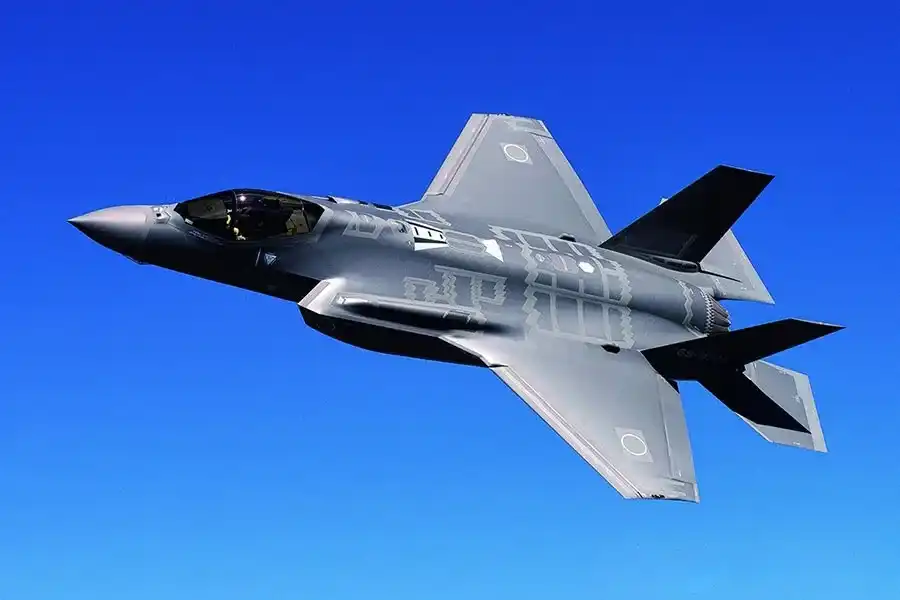
The F-35 Lightning II and F-22 Raptor are designed primarily for stealth operations, making traditional camouflage impractical and counterproductive. Unlike conventional aircraft, which rely on visual concealment, these fifth-generation fighters prioritize low observability (LO) across multiple detection spectrums—particularly radar and infrared.
Stealth is achieved through a combination of shape design, specialized coatings, and advanced materials, all of which work together to minimize radar cross-section (RCS). Applying conventional camouflage patterns could compromise these carefully engineered surfaces, increasing the likelihood of detection.
Radar-Absorbing Materials (RAM) and Their Constraints
A major reason for the absence of camouflage on the F-35 and F-22 is the use of multi-layered radar-absorbent materials (RAM). These coatings are precisely applied to ensure consistent electromagnetic wave absorption, which reduces the aircraft’s detectability. The introduction of camouflage paint or irregular patterns could disrupt this balance, leading to inconsistencies in stealth performance.
- The F-35’s RAM consists of three layers:
- A base layer reducing radar reflection.
- An absorptive layer converting radar energy into heat.
- A final layer managing infrared signatures.
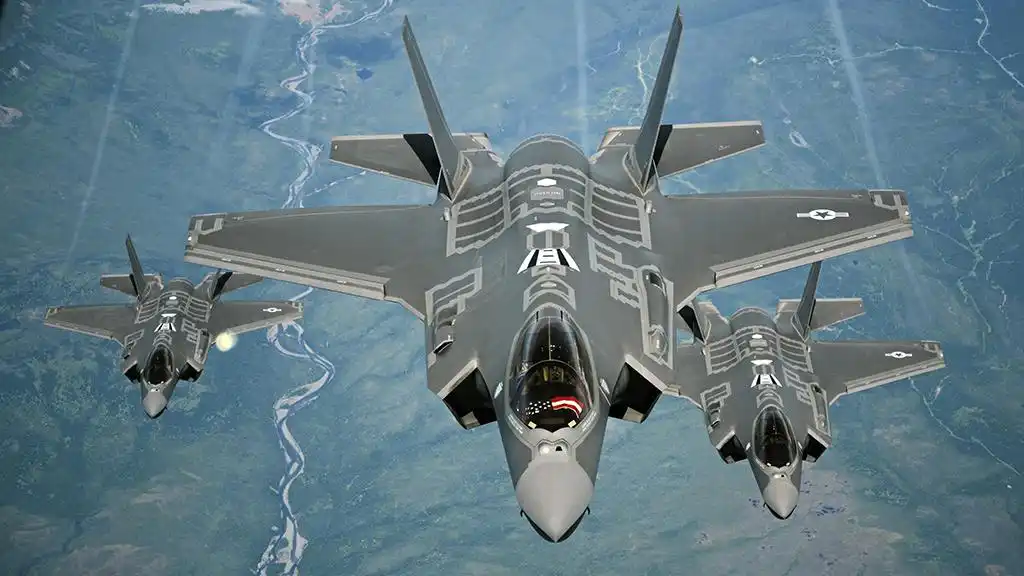
- The F-22’s proprietary “amoeba” stealth coating is applied using robotic precision to maintain a uniform thickness. Any alteration could create radar hot spots, increasing its visibility.

Standardized Gray Coloring for Low Observability
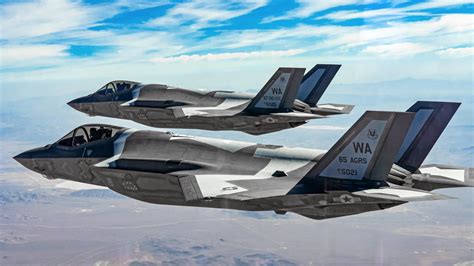
Both the F-35 and F-22 predominantly feature a matte gray color scheme, carefully selected for visual and radar spectrum minimization. This is not just a stylistic choice but a function-driven decision to enhance multi-environment adaptability.
Why Gray?
- Visual Concealment at Altitude: Most air-to-air engagements occur at high altitudes, where gray blends into the sky and cloud cover, reducing visibility from both aerial and ground-based observers.
- Infrared Signature Reduction: The darker gray tones, especially on the F-22, help manage heat dispersion, making infrared targeting more challenging.
- Radar Reflection Control: Any non-standard paint colors (such as bright insignias or camouflage patterns) could introduce reflective properties that increase RCS, reducing stealth effectiveness.
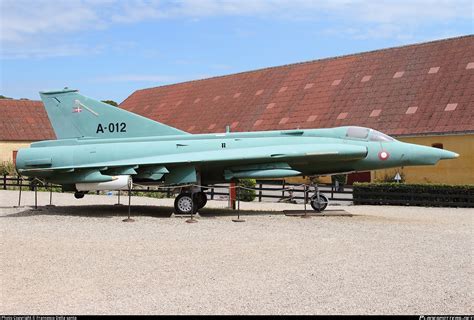
Even national insignia, such as the U.S. Air Force roundel, are subdued into low-visibility markings, preventing unnecessary radar reflections. Nations like Denmark briefly experimented with red accents on their F-35s but faced potential radar trade-offs, leading to the adoption of standardized gray.
Exceptions: When Camouflage is Used
While operational F-35s and F-22s remain free of traditional camouflage, certain specialized roles justify deviations:
Aggressor Squadron Camouflage
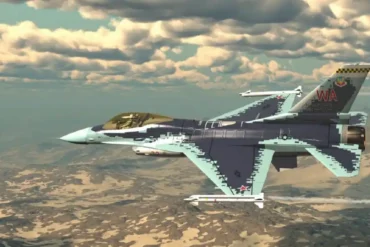
The 65th Aggressor Squadron at Nellis Air Force Base employs F-35s painted in “splinter camouflage” to simulate adversary aircraft. However, these camouflage applications are superficial and removable, ensuring that the aircraft’s stealth profile remains intact when necessary.
- Aggressor F-35s feature patterns designed to replicate foreign threats.
- The underside of the aircraft remains unpainted to preserve stealth integrity.
- These camouflage patterns use temporary coatings, avoiding long-term stealth degradation.
Operational and Maintenance Considerations
F-22: Air Superiority Stealth First
The F-22, designed as a dedicated air dominance fighter, prioritizes absolute stealth over any visual concealment. Unlike multirole platforms, the F-22 must remain virtually invisible to enemy radar to engage and destroy threats before being detected.
- The aircraft’s stealth coatings are so delicate that they require climate-controlled hangars to prevent degradation.
- Any modification, including camouflage, would necessitate frequent and costly reapplications.
F-35: Multirole, But Stealth Comes First
Although the F-35 serves multiple roles—including ground attack, air defense, and electronic warfare—its primary advantage is its sensor fusion and electronic warfare capabilities rather than visual concealment. Even aggressor variants prioritize simulating enemy radar profiles over visual mimicry.
- Internal weapons bays further reduce the aircraft’s radar signature, making visual camouflage even less relevant.
- Given its single-engine design and weight constraints, additional coatings for camouflage would impact performance and maintenance logistics.
Technical and Logistical Challenges of Camouflage
Applying camouflage to stealth aircraft introduces multiple complications beyond mere aesthetics:
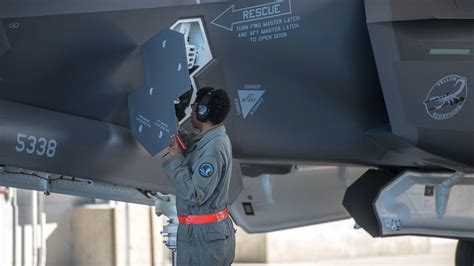
- Repairability Issues: The specialized stealth coatings are fragile. Any damage requires a meticulous repair process, often taking hours or days. Camouflage layers would further complicate maintenance.
- Design Trade-offs: The F-35 already faces strict weight and performance limitations. Adding additional coatings for camouflage would introduce unnecessary mass and structural compromises.
- Compromised Stealth: Stealth fighters rely on a consistent material composition. Non-standard camouflage disrupts that balance, reducing the aircraft’s survivability.
Conclusion: Stealth Over Traditional Camouflage
Unlike traditional fighter jets like the F-16 or F-15, which utilize camouflage to blend into ground environments, the F-22 and F-35 prioritize stealth over visual concealment. Their design philosophy is built around low radar observability, and any unnecessary additions—such as camouflage patterns—would negatively impact their stealth performance and operational effectiveness.
Limited exceptions exist in training environments, but in active combat scenarios, stealth remains the most critical factor in survivability.
FAQ
1. Why don’t the F-35 and F-22 have digital camouflage like some modern jets?
Digital camouflage, while effective for ground-based and non-stealth aircraft, disrupts the precision of stealth coatings. Since stealth jets are built to minimize radar reflections, any additional layers of paint could increase their radar cross-section.
2. Can the stealth coating be painted over with standard camouflage?
No. Stealth coatings are highly specialized and require uniform application to be effective. Painting over them with traditional camouflage would degrade their radar-absorbing properties, reducing their effectiveness.
3. Have there been any real-world combat situations where visual camouflage would have helped an F-35 or F-22?
Not significantly. In modern warfare, threat detection is primarily radar-based rather than visual-based. The F-35 and F-22’s stealth and electronic warfare capabilities make visual camouflage unnecessary in most engagements.