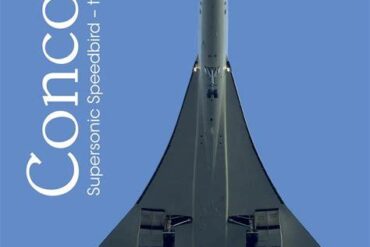
The Concorde remains one of the most iconic aircraft ever built — a supersonic marvel that rewrote the rules of commercial aviation. Its sleek form, blazing speed, and piercing sonic boom symbolized a futuristic era of travel. But among its standout features, one element often surprises those who study its design: the remarkably narrow cabin. This was not a luxury oversight or a cost-saving measure; it was a fundamental necessity dictated by the brutal physics of supersonic flight.
Supersonic Performance Dictated Design
At the heart of the Concorde’s slender profile was a singular mission: to fly at Mach 2, or twice the speed of sound. That goal governed every structural and aerodynamic decision. The aircraft needed to minimize drag while maximizing fuel efficiency and structural integrity, and that left little room for the expansive cabins that are standard in today’s widebody jets.
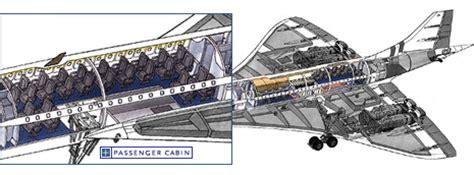
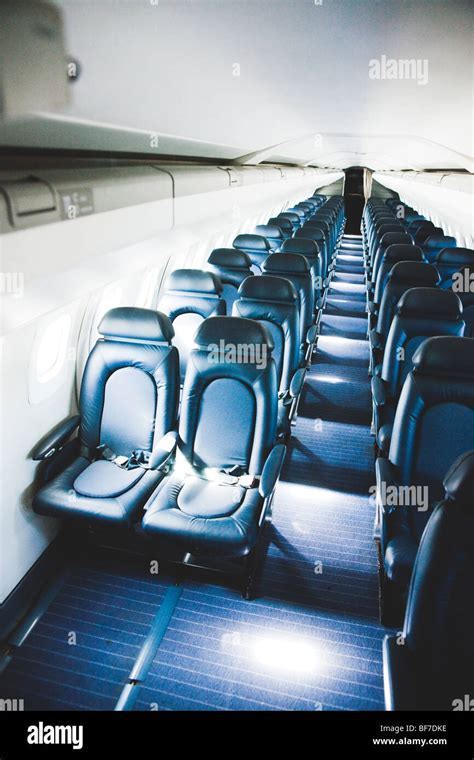
To maintain its performance, Concorde’s fuselage was kept just 9 feet 6 inches wide — less than many regional jets today. This narrow cross-section ensured a streamlined aerodynamic profile that reduced wave drag, a phenomenon that becomes particularly aggressive at transonic and supersonic speeds. Even a slight increase in fuselage width could have led to disproportionate increases in drag, jeopardizing range and fuel consumption.
Internally, the cabin featured a single-aisle layout with four-abreast seating, two seats on either side. The seating pitch was relatively generous at around 34 inches, but width and recline were severely constrained. Overhead storage was modest, and the headroom was limited, contributing to a claustrophobic sensation for some passengers — though the experience was often overshadowed by the excitement of flying faster than sound.
Structural Necessity at 60,000 Feet
The aerodynamic challenge was only one part of the equation. Equally important was the need to design a fuselage that could safely handle extreme pressure differentials. Concorde flew at altitudes of up to 60,000 feet, where the atmospheric pressure is less than one-tenth of sea level. Maintaining a pressurized cabin at such heights created intense stress on the fuselage.
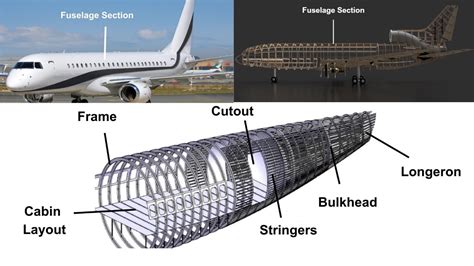
In aviation engineering, every pressurized aircraft essentially functions as a sealed pressure vessel. The greater the diameter of this vessel, the more reinforcement it needs to withstand the internal pressure pushing outward against the thin atmosphere. A smaller fuselage diameter inherently reduces the structural stress, making it easier to reinforce without adding too much weight — a critical balance in an aircraft where every kilogram mattered.
This is why the Concorde’s small windows were also part of its structural integrity plan. Measuring barely wider than the palm of a hand, they reduced potential weak points in the fuselage and helped mitigate risks during rapid decompression. In the unlikely event of a breach at cruising altitude, smaller openings could slow the decompression rate, potentially buying the crew valuable time.
Form Follows Function: Design That Put Performance First
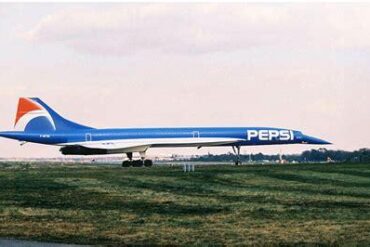
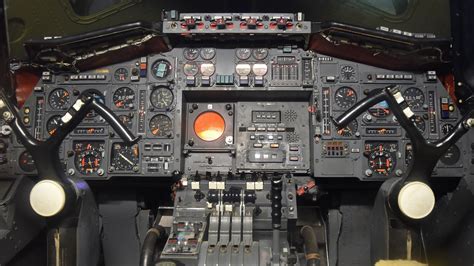
The Concorde’s slender fuselage and compact interior were never about cutting corners; they were about maximizing performance within unforgiving aerodynamic and structural constraints. From the sharply tapered nose cone to the delta wing and slender rear, every millimeter of the aircraft’s shape contributed to its ability to slice through the atmosphere at twice the speed of sound.
Passenger comfort was important, but always secondary to performance. While the Concorde’s cabin was premium-only, the narrow design limited many aspects of comfort. Recline was shallow, legroom was adequate but not luxurious, and the sense of enclosure was real — yet passengers routinely described the experience as unforgettable. Seeing the curvature of Earth from the window and sipping champagne while traveling at over 1,300 mph made up for the lack of room.
A Supersonic Race with Unique Outcomes
Concorde’s slender body wasn’t a quirk of Anglo-French taste; it was a reflection of what it took to build a viable supersonic passenger aircraft in the 1960s and 1970s. At that time, both the United States and Soviet Union were also experimenting with supersonic transport. The Soviet Tu-144 had a similarly narrow fuselage but suffered from reliability issues and a far shorter operational life. The American SST program, meanwhile, collapsed due to environmental, political, and financial challenges.
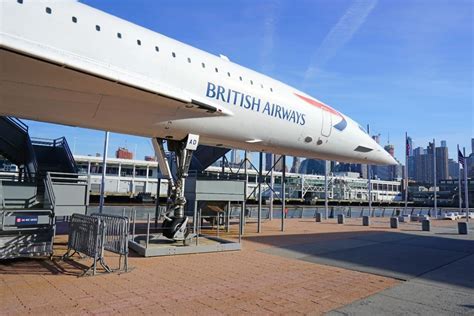
Ultimately, only the Concorde made it into sustained commercial service, with British Airways and Air France operating just 14 aircraft between them. Despite early interest from airlines worldwide, orders dried up due to concerns over noise (particularly the sonic boom), operating cost, and the rising cost of fuel after the 1973 oil crisis.
The Trade-Offs Were Real — And Still Relevant
Concorde’s cabin restrictions were part of a broader series of trade-offs. Supersonic flight at Mach 2 brought prestige and speed but also high noise levels, low fuel efficiency, and limited capacity. As the aviation industry began to favor high-density, low-cost air travel, Concorde’s economics became harder to justify.
Still, the narrow cabin remained a defining feature, both in form and function. It symbolized the sacrifice of space for speed, and the choice of aerodynamic integrity over interior luxury. Even after the fatal crash of Air France Flight 4590 in 2000 and the eventual retirement of the fleet in 2003, the engineering brilliance behind that narrow tube in the sky has remained a reference point for designers chasing the dream of commercial supersonic travel.
A New Generation Learns from the Past
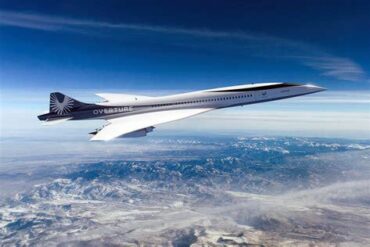
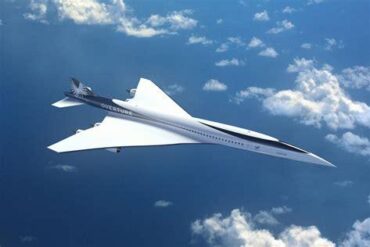
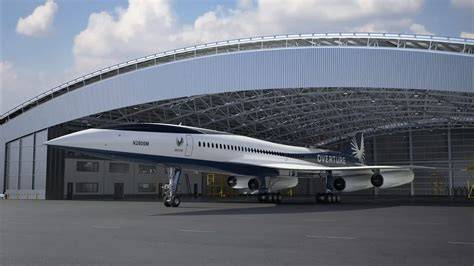
In the 2020s, supersonic ambition is making a comeback. Firms like Boom Supersonic, Spike Aerospace, and Virgin Galactic are exploring next-gen designs that balance speed with sustainability and comfort. Boom’s Overture jet, for instance, plans to fly at Mach 1.7 with seating for 65–80 passengers. Its design includes a slightly wider fuselage, but still far narrower than traditional widebodies — proving that aerodynamic efficiency continues to demand slenderness.
Boom has applied area-ruling, a Cold War-era aerodynamics concept, to shape a contoured fuselage that minimizes drag. Though it offers larger windows than Concorde and modern in-flight systems, Overture will still carry fewer passengers than a single-aisle Airbus A320 or Boeing 737. It is a compromise rooted in the same physics that defined Concorde.
Meanwhile, some manufacturers like Spike Aerospace are considering windowless cabins altogether, using high-definition exterior camera feeds projected onto the walls. This would allow for a structurally sound fuselage with no window breaches at all, maximizing both safety and aesthetics in a confined space.
The Legacy of Concorde’s Cabin Lives On
Concorde’s narrow cabin was a byproduct of ambition, not limitation. It was a direct result of engineering around Mach 2 — a feat that no other commercial airliner has yet equaled. The aircraft’s structural profile, its high-altitude operating envelope, and its quest for aerodynamic perfection left no room for indulgence in interior volume.
As new supersonic aircraft inch closer to becoming reality, many of the Concorde’s principles — especially the narrow, structurally efficient fuselage — continue to shape the conversation. While modern materials, engines, and systems may improve upon past limitations, the trade-offs between comfort, cost, and capability remain as relevant now as they were when Concorde first took flight.
Concorde’s narrow cabin wasn’t a flaw. It was the clearest visual evidence of an aircraft designed to push past the boundaries of physics, commerce, and engineering. As we look toward the future of high-speed air travel, we’re reminded that sometimes, to go faster, you have to think smaller.