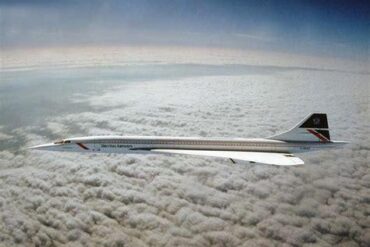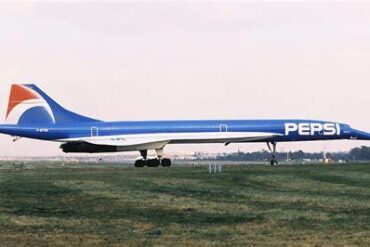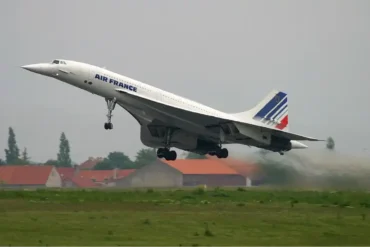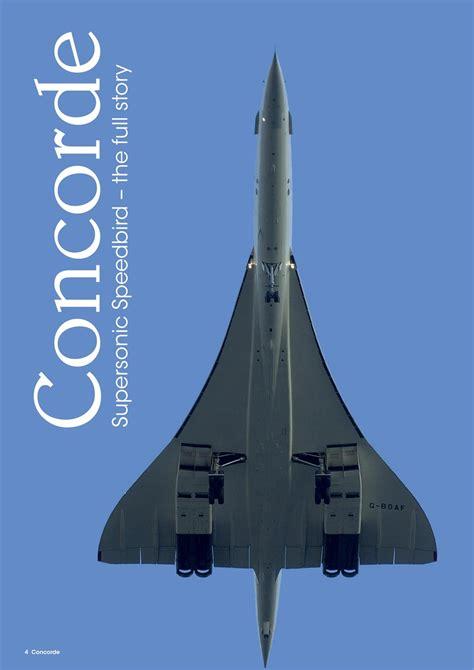
On March 2, 1969, the skies bore witness to a revolution. With its piercing nose, delta wings, and twin afterburners igniting like a thunderclap, Concorde rose above the clouds for the first time. It wasn’t just an airplane; it was an assertion of engineering ambition, geopolitical pride, and the unrelenting pursuit of speed. By the time it entered service in 1976, Concorde had already cemented itself as a symbol of power, prestige, and possibility.
The Supersonic Dream Born from Political Will and Engineering Brilliance
The story of Concorde is not one of pure commercial strategy. Instead, it is a tale of state-driven ambition. Jointly developed by Sud Aviation (France) and the British Aircraft Corporation (UK) under the 1962 Anglo-French treaty, Concorde was less a product of market demand and more a political endeavor aimed at projecting technological prowess.
Governments in both nations saw the aircraft as a symbol of national superiority. They willingly absorbed escalating costs and logistical headaches to see the project through. Where the Soviet Union’s Tu-144 mirrored Concorde in design and beat it to the sky by two months, it lacked the sustained operational viability that Concorde managed to achieve over nearly three decades.
Engineering a Masterpiece Ahead of Its Era
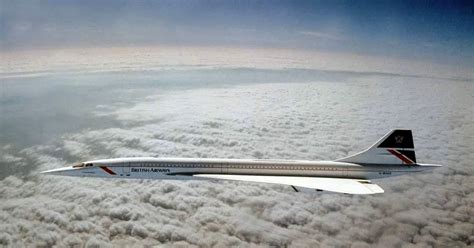
Concorde was capable of reaching Mach 2.04 (over 1,350 mph or 2,180 km/h) and cruising at altitudes around 60,000 feet. At this speed and height, passengers aboard could witness the curvature of Earth while sipping champagne on a three-hour flight between London and New York.
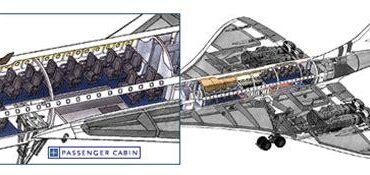
Concorde was not just fast—it was beautifully complex. Every takeoff required the precise orchestration of Olympus 593 turbojet engines, afterburners, and an adjustable nose cone to optimize cockpit visibility. It wasn’t just an aircraft; it was an event in the sky.
But that performance came at a steep price:
- Fuel burn per seat: ~1,850 lb per transatlantic crossing, compared to 300–440 lb for a Boeing 747-400.
- Passenger capacity: 92–120 people.
- Total aircraft built: 20, of which 6 were prototypes.
A Market That Never Took Off
When Concorde was introduced, it was expected to spark a new era of supersonic travel. Initial projections foresaw a market demand for 350 units, and early interest from major airlines peaked at over 100 options. Yet, only 14 production aircraft were ever delivered—to British Airways and Air France.
The aircraft’s limited appeal boiled down to one fundamental flaw: it was a solution to a problem very few people had. The mass aviation market was rapidly maturing towards cost-efficiency, not speed. Boeing and Lockheed abandoned their own supersonic concepts in favor of subsonic, high-density aircraft like the Boeing 747.
Concorde’s operating economics were incompatible with a deregulating, cost-sensitive airline industry. Tickets were exorbitantly priced, and even then, profits were marginal. Only because British Airways and Air France acquired the aircraft essentially free from their governments did the routes become profitable at all.
The Ban That Broke Its Wings
Concorde’s potential was crippled by one of its core features—speed. To travel faster than sound, it had to generate sonic booms, a thunderous crack heard on the ground. These booms triggered a wave of regulatory backlash that banned supersonic overland flights across most of the globe. That restriction confined Concorde primarily to transatlantic routes, such as London-New York and Paris-Washington.
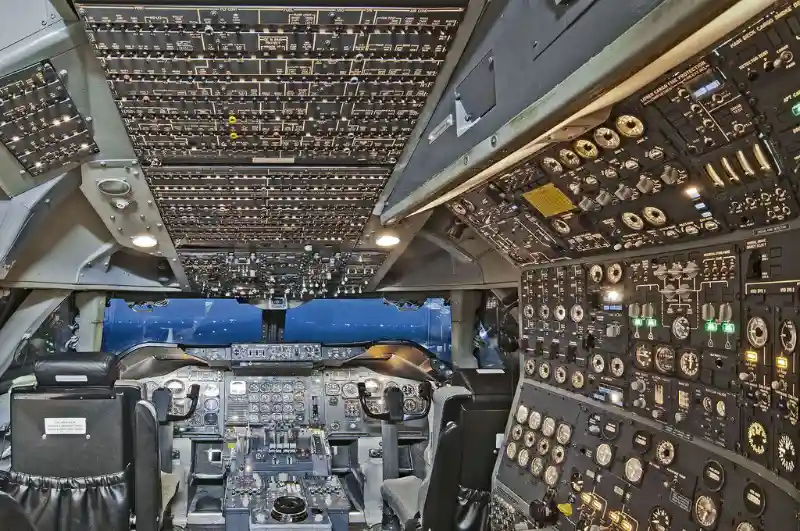
Even within its limited operational realm, Concorde’s technology began to show signs of age. By the 1990s, its 1960s analog cockpit and outdated avionics lagged behind the emerging standards. Noise pollution, inefficiency, and carbon emissions made it an environmental sore point in a more eco-conscious world.
A Catastrophic Turning Point: The 2000 Crash
The trajectory of Concorde’s career was permanently altered on July 25, 2000, when Air France Flight 4590 crashed shortly after takeoff from Paris Charles de Gaulle Airport, killing all 109 people on board and four on the ground. A strip of metal on the runway, dropped from another aircraft, punctured a tire. Shrapnel ruptured a fuel tank, igniting a catastrophic fire.
Though the aircraft was cleared to return to service after safety modifications, the incident inflicted lasting reputational damage. Combined with the post-9/11 aviation downturn, the economic rationale for continuing Concorde operations disappeared.
In 2003, Concorde was officially retired by both operators. No replacement was in sight.
More Than a Failure: Concorde as a Catalyst for Innovation
While Concorde failed commercially, it succeeded in proving that supersonic passenger travel was possible. Its legacy persists not only in memory but in action—Boom Supersonic, NASA, and others are developing next-generation SSTs, using Concorde as both a template and a cautionary tale.
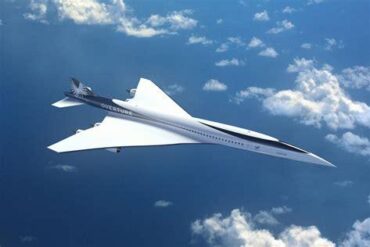
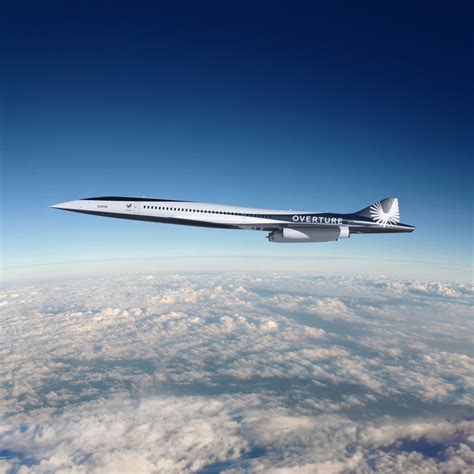
Boom’s Overture jet, expected to fly in the 2030s, promises speeds of Mach 1.7 and will carry 60–80 passengers. Crucially, its business model doesn’t assume mass adoption but instead targets premium business travelers on trunk routes, learning from Concorde’s pitfalls.
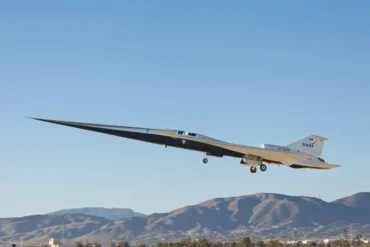
NASA’s X-59 QueSST project aims to develop technologies that mitigate sonic booms, potentially reversing the regulatory bans that hobbled Concorde. Meanwhile, other initiatives focus on sustainable aviation fuel (SAF) and hybrid propulsion systems to make supersonic flight more ecologically viable.
The Economics of Prestige and the Role of Government
In hindsight, Concorde was never intended to be a self-sustaining commercial product. It was a diplomatic statement—a flying flag of Anglo-French cooperation. It succeeded in making an indelible cultural and technological impact, even if it fell short of economic sustainability.
This duality—between innovation and market viability—is echoed in other government-funded megaprojects like China’s high-speed rail or NASA’s space shuttle program. While private investment demands profit, public projects can afford to think in decades and generations. Concorde inspired generations of engineers, designers, and futurists. That may be the most valuable dividend it ever paid.
The Future Beckons: Will Supersonic Rise Again?
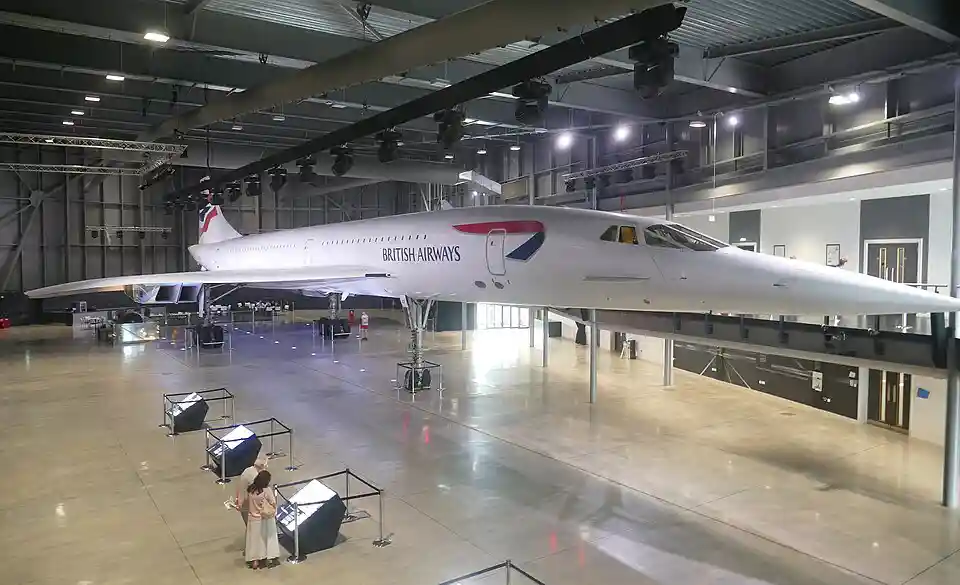
Concorde’s legacy endures not as a blueprint, but as a benchmark. Its silhouette is etched in the minds of aviation enthusiasts and travelers alike. It is still showcased at major museums such as the Smithsonian Air and Space Museum and Manchester Airport’s Runway Visitor Park.
Technological advancements in materials, noise reduction, and fuel efficiency have moved the goalposts. The commercial and environmental logic that once doomed Concorde may not apply to its spiritual successors.
But the story of Concorde also serves as a reminder: engineering feasibility is not economic inevitability. Until the two align, supersonic dreams will remain just that—dreams.
A Timeless Marvel in the Skies
Fifty years after it entered service, Concorde remains a powerful symbol of what human ingenuity can achieve when unconstrained by conventional thinking. It dared to reach for the edge of possibility, and in doing so, redefined what flight could mean.
In a world now rediscovering the allure of speed, Concorde’s legacy is not forgotten. It is a sonic echo, reverberating across time, inspiring a new generation of designers and dreamers to once again chase the sky.
Its message is clear: the future is not predicted—it is built.