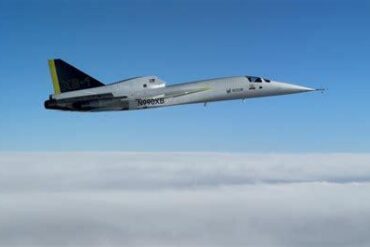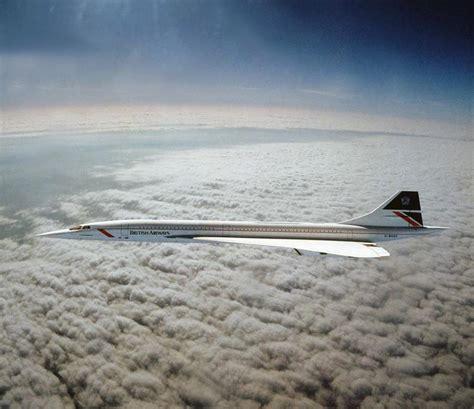
The Concorde was not just an aircraft—it was a technological marvel that redefined the possibilities of commercial air travel. Developed as a joint effort between British Aircraft Corporation and France’s Aérospatiale, the Concorde represented the pinnacle of aviation innovation in the latter half of the 20th century. More than just speed, it encapsulated a vision of global cooperation, cutting-edge aerodynamics, and engineering brilliance.
Breaking the Sound Barrier: Concorde’s Top Speed in Mach
The standout feature of the Concorde was its maximum cruising speed of Mach 2.04, equivalent to 2,179 km/h (1,354 mph). This made it one of the fastest commercial aircraft ever built. For perspective, Mach 1 is the speed of sound—approximately 1,235 km/h (767 mph) at sea level. Mach 2.04, therefore, means flying at more than twice the speed of sound, drastically reducing transatlantic flight times.
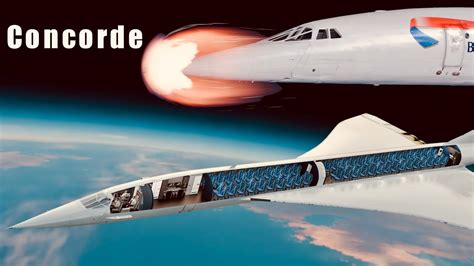
Flying from London to New York in just under three and a half hours, the Concorde slashed travel time in half when compared to traditional subsonic flights. Passengers traveling at such speeds experienced time dilation in a very real way—arriving before their departure time due to time zone shifts.
The Science Behind Supersonic Flight
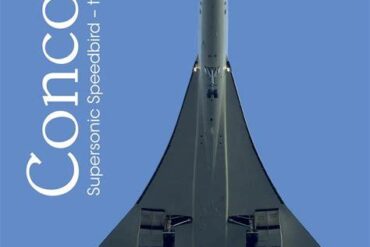
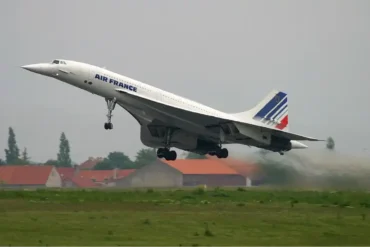
The ability to fly at Mach 2.04 required an intricate understanding of aerodynamics, thermodynamics, and propulsion systems. The Concorde featured a delta wing configuration to minimize drag and increase lift at high speeds. At Mach 2.04, the skin of the aircraft would heat up significantly, reaching up to 127°C (260°F), expanding the airframe by several centimeters during flight. This phenomenon, known as thermal expansion, was taken into account during the aircraft’s design.
Powering this was a quartet of Rolls-Royce/SNECMA Olympus 593 engines, each with afterburner capability. The afterburners, more common in military jets, provided the extra thrust needed to reach supersonic speeds during takeoff and acceleration.
Why Concorde Was Faster Than Any Commercial Jet
Concorde’s unmatched speed was a direct result of its purpose-built design:
-
Slim, streamlined fuselage to reduce drag
-
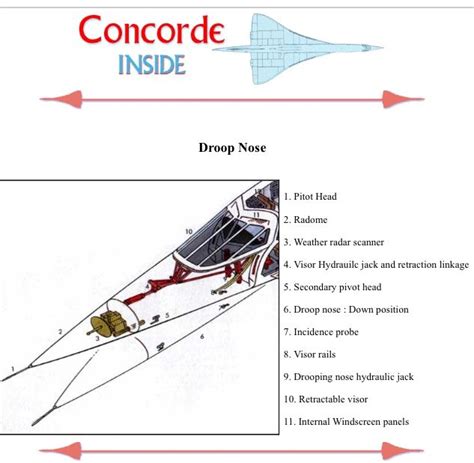
Droop nose for better visibility during takeoff and landing
-
Delta wings for optimal lift at high speeds
-
Afterburning turbojet engines for sustained supersonic cruise
Whereas modern commercial jets like the Boeing 747 or Airbus A380 cruise at around Mach 0.85, the Concorde cruised comfortably at Mach 2.0+, more than doubling the velocity.
Flight Experience at Supersonic Speed
Flying aboard the Concorde was an elite experience. The cabin, although narrow, was outfitted for luxury. The seating capacity was limited to 92 to 128 passengers, allowing for personalized service. But what truly set the flight apart was the supersonic cruise. Passengers would be served champagne and gourmet meals while the aircraft soared above 60,000 feet—high enough to see the curvature of the Earth.
Despite its speed, the Concorde maintained stability and comfort, cruising above weather systems and turbulence. The famous Mach meter in the cabin served as a constant reminder of the speed, thrilling those on board as the indicator passed the Mach 2 threshold.
Development Timeline and Operational Highlights
The Concorde’s history is a story of ambition, setbacks, and triumph:
-
1962: Treaty signed between the UK and France to co-develop the aircraft
-
1969: First prototype flight in Toulouse, France
-
1973: First successful transatlantic flight
-
1976: Commercial service begins with routes from London to Bahrain and Paris to Rio
-
1977: Regular flights to New York and Washington, D.C., commence
Over its 27 years in service, 14 Concorde aircraft operated commercially, primarily by British Airways and Air France. Charter flights also brought the jet to destinations worldwide, serving as a symbol of national pride and engineering might.
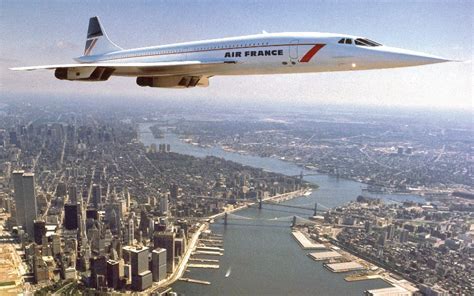
Challenges of Sustaining Mach 2.04
Sustaining speeds beyond Mach 2 presented significant operational and economic challenges:
-
Fuel Efficiency: Supersonic speeds demanded high fuel consumption, making operations costly.
-
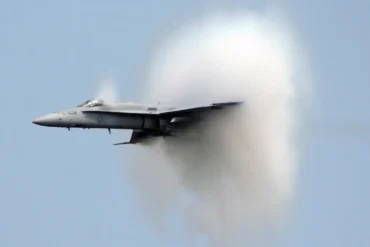
Sonic Boom: The sonic boom created by breaking the sound barrier restricted overland flights, limiting routes.
-
Heat Stress: The intense frictional heating required the use of specialized materials and cooling techniques.
Despite its superior speed, the Concorde’s high maintenance costs, limited passenger capacity, and expensive ticket pricing rendered it unprofitable over time.
The Decline and Final Flight
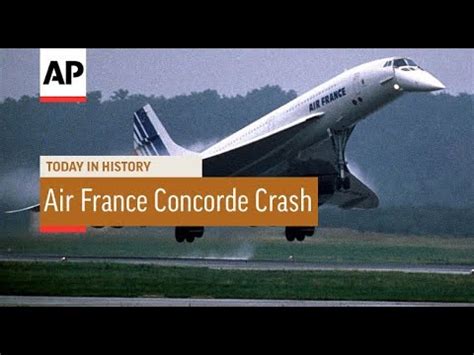
Tragedy struck on July 25, 2000, when Air France Flight 4590 crashed shortly after takeoff due to engine failure caused by debris from a burst tire. The disaster claimed 113 lives, including all passengers and crew. While the aircraft was grounded and retrofitted for safety improvements, public confidence was shaken.
Combined with the economic downturn following 9/11 and rising maintenance costs, both British Airways and Air France announced the retirement of Concorde in 2003. British Airways’ final commercial Concorde flight occurred on October 24, 2003, marking the end of an era.
Concorde’s Legacy in Aviation
While no longer flying, the Concorde’s legacy endures:
-
Pioneered supersonic passenger transport
-
Set the benchmark for engineering collaboration between nations
-
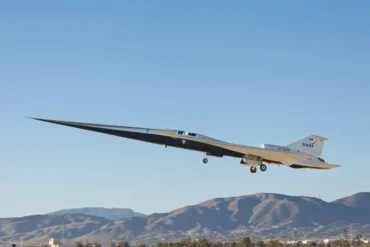
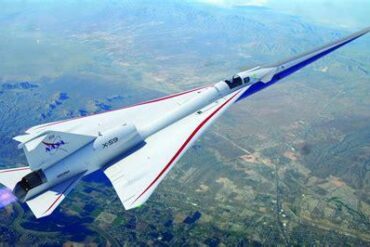
Inspired future developments in high-speed aviation like Boom Supersonic and NASA’s X-59
Aircraft museums across the globe now house preserved Concorde jets, offering aviation enthusiasts a glimpse into the golden age of supersonic travel.
Supersonic Speed in Perspective
Flying at Mach 2.04 is not merely about raw speed; it represents a complex orchestration of physics, engineering, and ambition. The Concorde proved that supersonic commercial travel was not only possible but achievable for nearly three decades.
In an age where subsonic flight remains the norm, the Concorde’s achievements stand tall, reminding us of what can be accomplished when nations unite behind a shared vision of innovation.
FAQs About Concorde’s Top Speed
How fast was the Concorde compared to a modern jetliner?
The Concorde flew at Mach 2.04, more than twice the speed of modern commercial airliners like the Boeing 777 or Airbus A350, which cruise at around Mach 0.85. This meant Concorde passengers could cross the Atlantic in under 3.5 hours, compared to 7–8 hours on conventional jets.
Why couldn’t Concorde fly at supersonic speed over land?
Concorde was restricted from flying supersonically over land due to the sonic boom, a loud shockwave caused when an aircraft exceeds Mach 1. The noise was disruptive to communities below, leading to international bans on overland supersonic commercial flight.
Are there plans to bring back supersonic commercial flights?
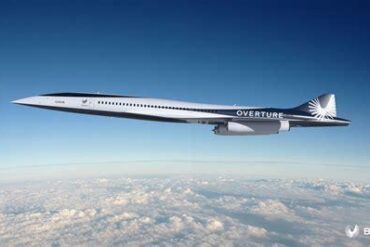
Yes. Several aerospace companies, such as Boom Supersonic, are developing new-generation SSTs like the Overture, aiming for environmentally friendlier and more efficient supersonic travel. While these aircraft will build on Concorde’s legacy, they must overcome regulatory, technical, and economic hurdles.