The Concorde remains one of aviation’s most audacious experiments: a commercial airliner designed to outrun the sun, shrink oceans, and turn time itself into a premium service. From its needle-sharp delta wings to the thunderclap of its sonic boom, everything about Concorde defied convention. Yet behind the glamour and speed lay a stubborn physical constraint that shaped every route it ever flew—range. Understanding what was the longest Concorde flight means understanding where ambition collided with physics, geopolitics, and fuel chemistry at Mach 2.
Concorde was born from a rare moment of Anglo-French cooperation, long before Airbus became a global powerhouse. At its peak, the program attracted nearly a hundred options from airlines worldwide, yet only 14 production aircraft ever entered service—seven with British Airways and seven with Air France. The reason was brutally simple: Concorde was spectacular, but it was also staggeringly expensive to operate, politically constrained, and geographically limited.
Despite carrying nearly 96,000 kilograms of fuel, Concorde’s effective range topped out at roughly 3,900 nautical miles under normal operating conditions. That figure, surprisingly, was shorter than a Boeing 757, an aircraft built for entirely different priorities. Still, pilots occasionally coaxed the jet beyond its advertised limits, and in rare conditions, Concorde achieved flights that stand unmatched in supersonic commercial history.
A Supersonic Airliner Pushed to Its Limits
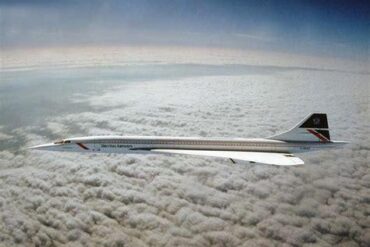
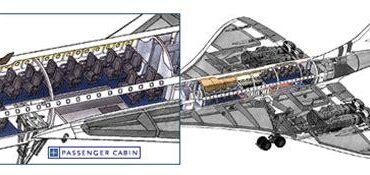
To appreciate why Concorde’s longest flight matters, it helps to grasp how extreme the aircraft already was. Measuring 203 feet long with a wingspan of just 83 feet, Concorde packed immense power into a slender airframe. Its four Rolls-Royce/Snecma Olympus 593 engines were derived from military designs, optimized for sustained supersonic cruise rather than efficiency.
At 60,000 feet, Concorde cruised above weather systems and conventional traffic, where thin air reduced drag but offered little margin for error. Fuel burn was ferocious, particularly during acceleration through the transonic regime. Every long-distance flight became a careful balancing act between payload, fuel, winds, and permissible routing.
The sonic boom problem further complicated matters. Most countries banned supersonic flight over land, forcing Concorde onto long, circuitous oceanic paths that quietly ate into its theoretical range. In practice, the aircraft’s longest flights were possible only under exceptional meteorological conditions or with carefully reduced payloads.
Singapore to Bahrain: The Longest Regularly Scheduled Concorde Flight
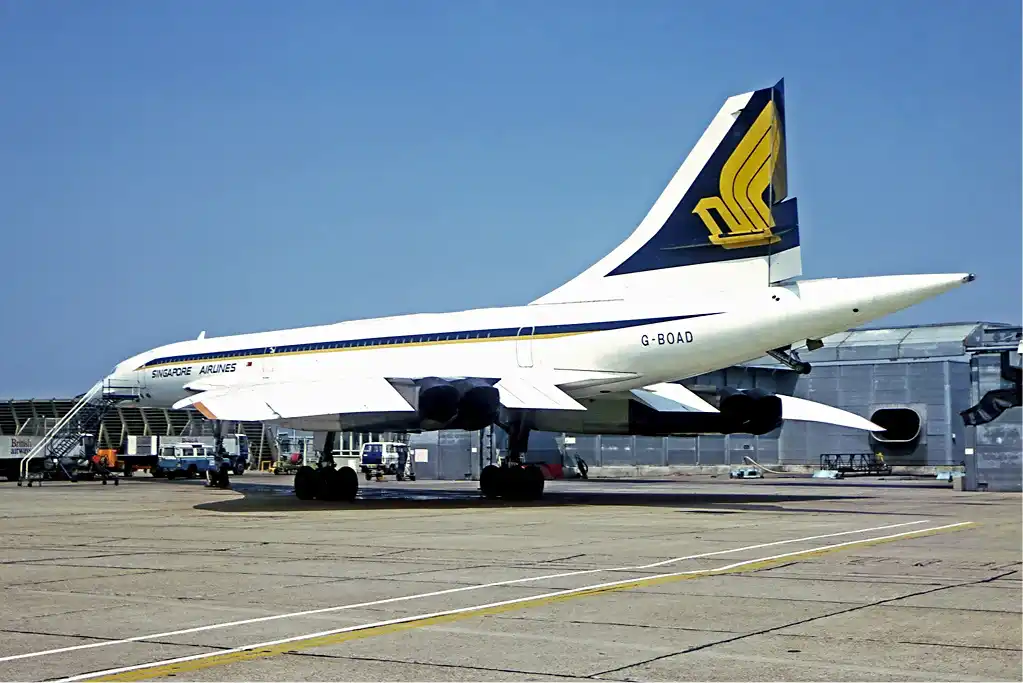
Among all scheduled services, one route stands above the rest for sustained endurance. In the late 1970s, Singapore Airlines partnered with British Airways to operate Concorde between Singapore and London, with a refueling stop in Bahrain. The Singapore–Bahrain leg became the longest regularly scheduled non-stop Concorde flight ever flown.
Departing from Paya Lebar Airport, Concorde flight SQ 301 covered the route in approximately four hours and 25 minutes, an extraordinary figure given the distance and airspace restrictions involved. After refueling in Bahrain, the aircraft continued to London as BA 301, completing the intercontinental journey at supersonic speed.
This arrangement was unlike anything else in commercial aviation. The aircraft, G-BOAD, wore Singapore Airlines livery on one side and British Airways colors on the other, a visual metaphor for the logistical compromise behind the service. British Airways owned and flew the aircraft, while cabin crews were drawn from both airlines. Tickets were sold under different carriers depending on the segment.
Despite the prestige, the economics were unforgiving. Singapore Airlines quickly realized that owning Concorde outright made no financial sense. Even under a lease arrangement, losses mounted. By 1980, the service was quietly terminated, leaving behind a footnote that still fascinates aviation historians: the longest routine stretch Concorde ever flew without stopping.
When Distance Trumped Duration
While the Singapore–Bahrain sector holds the title for scheduled endurance, it was not the farthest Concorde ever traveled in one hop. That distinction belongs to a far rarer achievement—one made possible only by tailwinds, light passenger loads, and meticulous fuel planning.
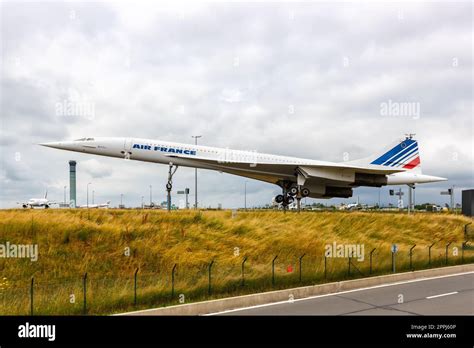
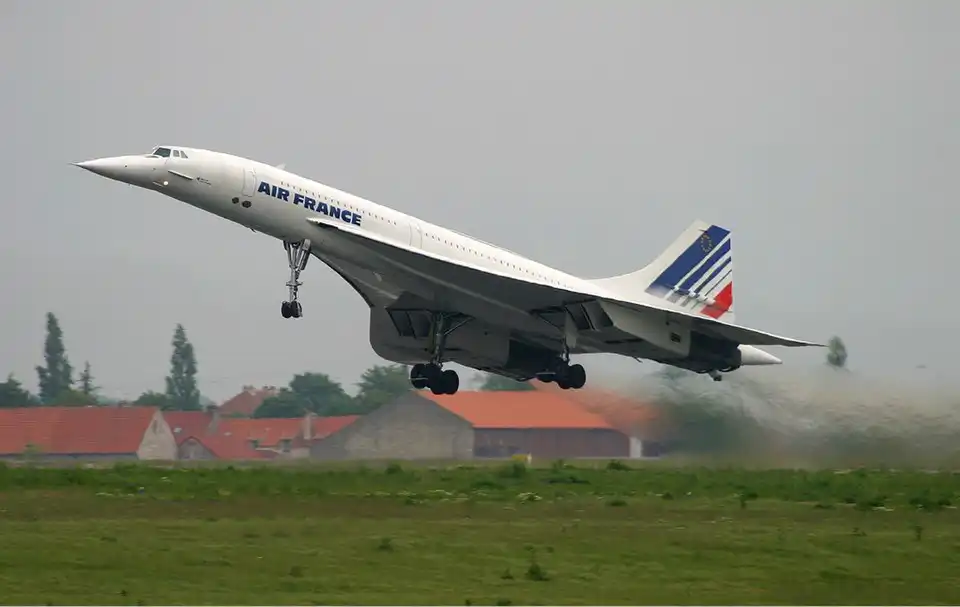
On select occasions, Air France managed to fly Concorde non-stop from Caracas, Venezuela, to Paris, covering an astonishing 4,123 nautical miles. This route exceeded the aircraft’s nominal maximum range and became the longest non-stop Concorde flight ever recorded.
Under normal circumstances, Caracas–Paris required a refueling stop in the Azores. However, when atmospheric conditions aligned just right, Concorde could ride high-altitude winds across the Atlantic and complete the journey in approximately four hours and ten minutes. These flights were never scheduled, never guaranteed, and never advertised. They were opportunistic triumphs of aeronautical precision rather than commercial planning.
From a technical standpoint, these flights represented Concorde operating at the absolute edge of its performance envelope. There was no room for diversion, no excess fuel for delays, and no margin for inefficiency. Every kilogram mattered.
Barbados and the Art of Supersonic Detours
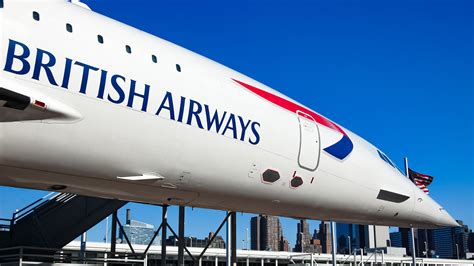
Another route often cited in discussions of Concorde’s endurance is London to Bridgetown, Barbados. Operated primarily by British Airways on Saturdays, this service clocked in at around three hours and 45 minutes and covered approximately 3,646 nautical miles.
Interestingly, while this distance was shorter than Caracas–Paris, it was longer than Bahrain–Singapore in pure mileage. The difference lay in routing. Airspace restrictions forced Concorde on indirect paths that inflated distance without necessarily extending flight time. Over open ocean, the aircraft could remain supersonic longer, exploiting its greatest advantage.
These Caribbean flights became legendary among passengers. Breakfast in London, lunch in the tropics, and a sense of having cheated geography itself—this was Concorde at its most seductive.
One-Stop Supersonic Adventures
Concorde’s limited range didn’t stop airlines from dreaming big. During the 1970s and early 1980s, both British Airways and Air France experimented with one-stop long-haul services that stretched across continents.
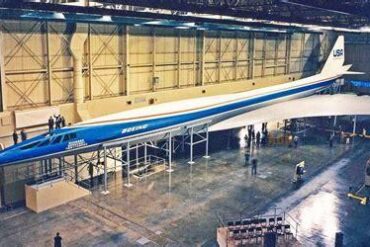
Early U.S. operations initially landed at Washington Dulles, where political resistance was weaker than in New York. Some flights continued onward to Dallas–Fort Worth, operated in partnership with Braniff International Airways. These aircraft even carried U.S. registrations and flew subsonically over American landmass, an unusual hybrid operation that lasted only a few years.
Air France also extended Concorde service to Mexico City, while British Airways served Miami as a tag-on destination. All of these routes shared the same vulnerability: once long-range widebody aircraft like the Boeing 747-400, Airbus A340, and Boeing 777-200ER entered service, the case for supersonic stopovers evaporated.
Charters, World Tours, and the Ultimate Distance Record
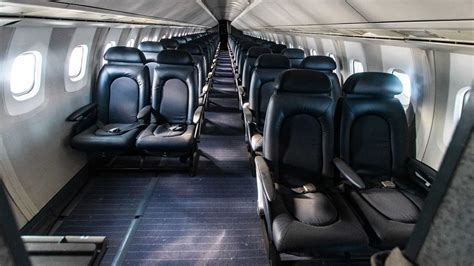
Beyond scheduled services, Concorde found a second life in charter operations. With its unmatched speed and rarity, the aircraft became the centerpiece of luxury round-the-world tours. These journeys weren’t about efficiency; they were about spectacle.
In 1996, a British Airways Concorde completed a global charter covering 28,238 miles in just under 30 hours of flight time, spread across multiple legs. While not a single non-stop journey, this tour represented the greatest cumulative distance ever flown by a Concorde within one itinerary, underscoring the aircraft’s versatility when freed from commercial constraints.
Why Concorde Could Never Go Farther
The irony of Concorde is that its greatest strength—speed—was also its Achilles’ heel. Supersonic cruise demanded enormous fuel flow, while sonic boom restrictions confined it to narrow corridors of usability. Meanwhile, subsonic aircraft quietly improved, flying farther, cheaper, and with far greater flexibility.
By the late 1990s, Concorde’s niche had narrowed almost entirely to Paris–New York and London–New York, routes where time savings justified ticket prices rivaling first class. Even then, the margins were thin.
After the tragic 2000 crash of Air France Flight 4590, public perception shifted. Combined with rising maintenance costs, declining demand after September 11, and the sheer age of the fleet, Concorde’s days were numbered. Air France retired the type in May 2003, followed by British Airways in November.
Where Concorde Rests Today
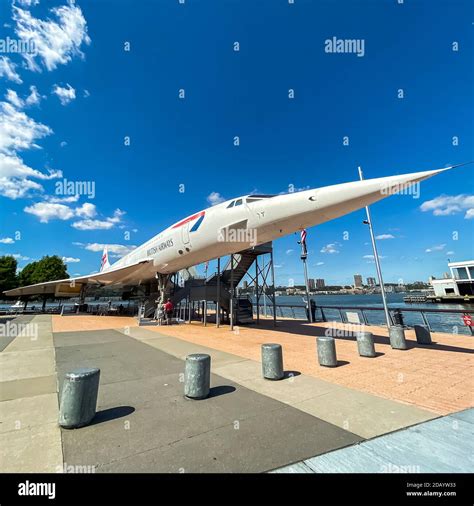
Unlike most airliners, Concorde did not fade into scrapyards. The majority of surviving aircraft are preserved in museums across France, the United Kingdom, the United States, and Barbados. G-BOAD, the very aircraft that once linked Singapore, Bahrain, and London, now sits proudly at the Intrepid Air and Space Museum in New York.
The Legacy of the Longest Concorde Flight
So, what was the longest Concorde flight? The answer depends on how the question is framed. The longest regularly scheduled non-stop flight was Singapore to Bahrain. The longest non-stop flight ever recorded was Caracas to Paris. The greatest total distance belongs to Concorde’s globe-spanning charter tours.
Each tells a different story, but together they reveal the same truth. Concorde was never meant to conquer distance. It was built to conquer time. In pushing its range to the limit, the aircraft exposed both the brilliance and the boundaries of supersonic travel—a lesson future designs still struggle to reconcile.
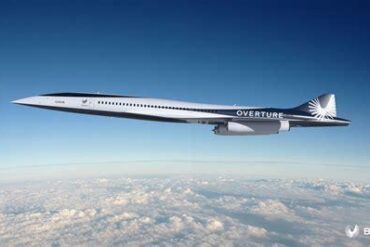
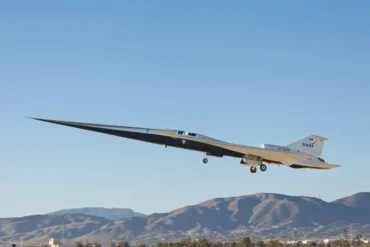
Even today, as new supersonic concepts promise longer legs and quieter booms, Concorde’s longest flights remain a benchmark. Not because they were efficient, but because they proved just how far imagination could fly when engineers dared to ignore convention and chase the horizon at twice the speed of sound.