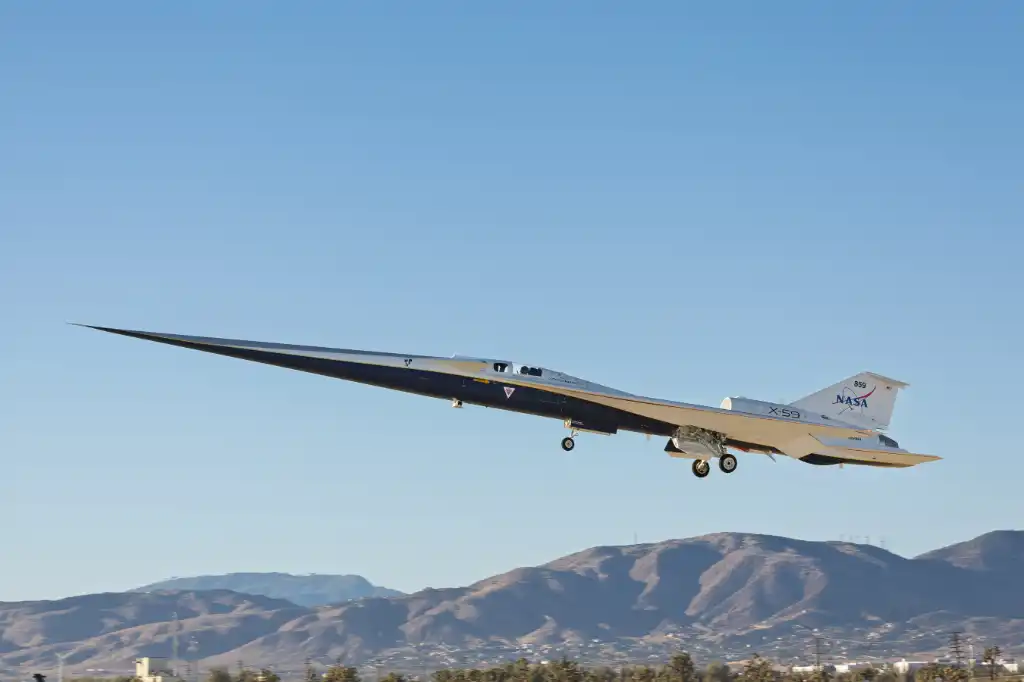
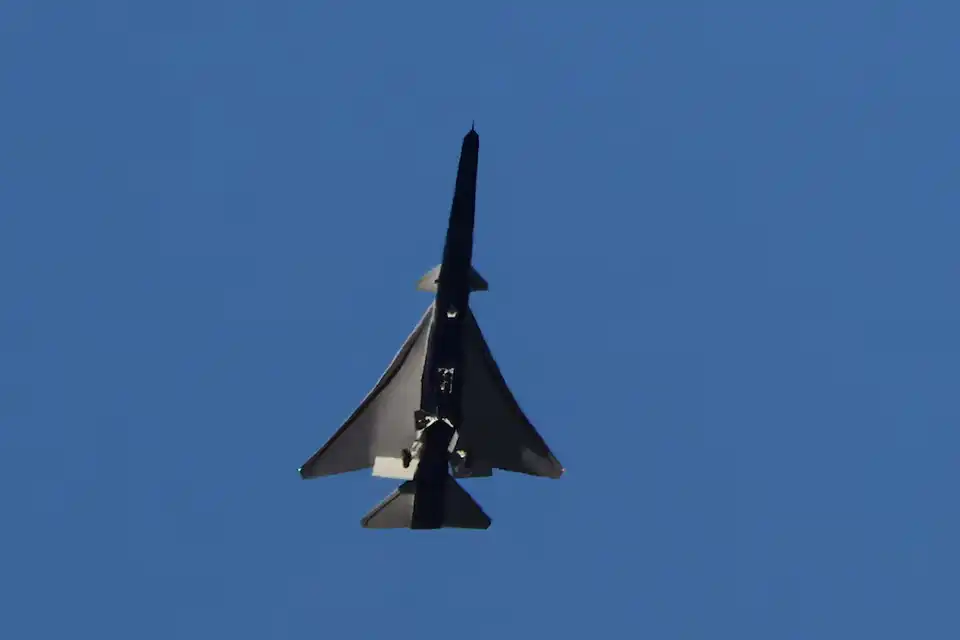
The United States has taken a historic leap toward revolutionizing air travel with the maiden flight of the X-59, an experimental supersonic aircraft designed to silence the thunderous booms of its predecessors. Developed by Lockheed Martin’s Skunk Works in partnership with NASA, the X-59 represents the crown jewel of the QueSST (Quiet SuperSonic Technology) program—an ambitious, decades-in-the-making vision to reintroduce supersonic travel, this time without the societal costs of sonic disruption.
A Quiet Revolution Takes Flight
On October 28, 2025, the X-59 took to the skies from U.S. Air Force Plant 42 in Palmdale, California, executing a flawless first flight and landing near NASA’s Armstrong Flight Research Center in Edwards, California. This pivotal moment wasn’t just a milestone for experimental aviation; it was a bold declaration that supersonic commercial travel may return—and this time, sustainably.
The aircraft was engineered to defy expectations, not physics. Traditional supersonic aircraft have long been limited by the earth-shaking sonic booms produced when breaking the sound barrier. These booms have led to bans on overland supersonic flight in the United States since the 1970s. But the X-59, with its innovative shape and technologies, changes the narrative.
According to OJ Sanchez, vice president and general manager of Skunk Works, “This aircraft is a testament to the innovation and expertise of our joint team.” Echoing that sentiment, NASA’s acting administrator Sean Duffy called the aircraft “a symbol of American ingenuity,” underscoring the pioneering spirit that continues to propel the country forward in aerospace leadership.
Concorde’s Legacy, Reinvented for the Future
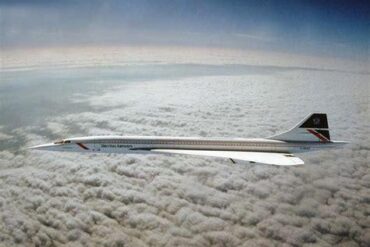
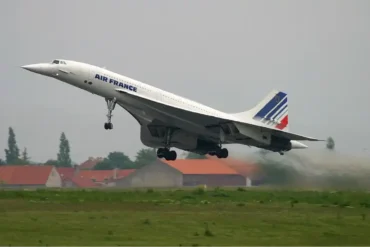
Supersonic commercial travel once had a golden age—defined by the unforgettable Concorde and its Soviet counterpart, the Tupolev Tu-144. These aircraft offered blistering speeds and luxurious service, but their fate was sealed by economic inefficiency, safety concerns, and the unavoidable sonic boom.
The Tu-144 was technically the first to fly supersonic, taking its maiden flight on December 31, 1968, and achieving supersonic speed just months before the Concorde. Rumors have long circulated that Soviet engineers acquired Concorde blueprints through espionage, but despite the head start, both programs were doomed by fatal crashes and operational impracticalities. By the early 2000s, supersonic passenger flight was history.
Fast forward to today, the X-59 QueSST stands on the shoulders of these aerospace giants. It represents the culmination of lessons learned—and the determination to succeed where others fell short.
Engineering Supersonic Silence
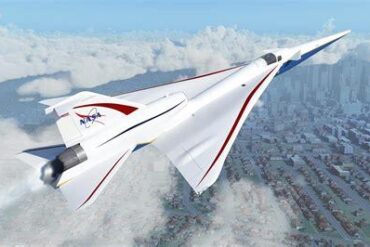
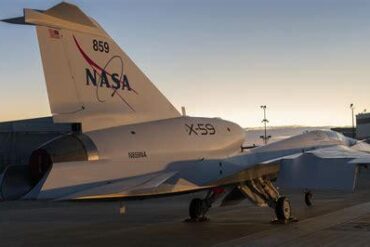
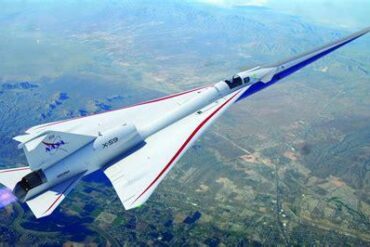
The X-59 is a masterpiece of aerodynamic design, employing a “long dart” or needle-nose fuselage that stretches nearly 100 feet in length, a third of which is the tapered nose alone. This striking design is key to breaking the sound barrier without triggering an explosive boom, replacing it with what NASA calls a “sonic thump“—a gentle thud, akin to the closing of a car door.
Its structure includes:
- Length: 99.7 feet
- Wingspan: 29.5 feet
- Engine: A single F414-GE-100 turbofan engine
- Cruising Altitude: 55,000 feet
- Speed: Mach 1.4 (925 mph)
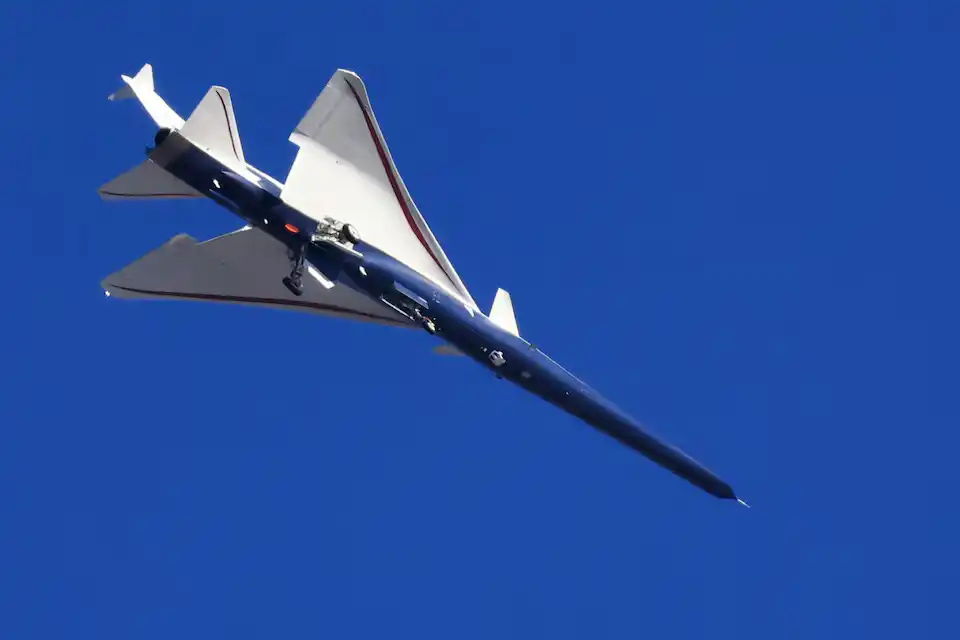
Unlike traditional aircraft, the X-59 lacks a forward-facing cockpit window. Instead, it utilizes a cutting-edge eXternal Vision System (XVS), feeding real-time imagery from multiple high-definition cameras to a 4K monitor mounted inside the cockpit. This change was not merely aesthetic—it was essential to maintaining the fuselage shape needed to prevent sonic boom formation.
Another vital innovation is the engine placement. Instead of being slung under the wings or embedded in the rear fuselage, the X-59’s engine is mounted above the fuselage, shielding the ground from direct shockwave paths and further softening its acoustic footprint.
The Multi-Phase Mission of QueSST
The X-59’s first flight marks the successful completion of Phase One of NASA’s QueSST program, but the journey is far from over. Each phase is strategically designed to usher in a new era of regulation and public acceptance for supersonic commercial travel:
Phase Two: Flight Envelope Expansion
Now that the initial flight has proven the aircraft’s airworthiness, engineers will expand the X-59’s flight envelope—testing its full range of performance, particularly at supersonic speeds. These flights will be conducted over NASA’s supersonic test range at Edwards Air Force Base, allowing engineers to refine and validate the quiet supersonic technology in various conditions.
Phase Three: Community Response Study
Perhaps the most crucial part of the program is the Community Response Study, in which the X-59 will fly over select cities across the U.S., and residents will report their experience of the sound generated. Using push notifications to their smartphones, citizens will contribute real-time feedback that will help shape the regulatory standards for future commercial supersonic flights over land.
While the exact cities have not yet been revealed, NASA previously indicated that four to six diverse urban areas will be part of the study. Originally scheduled for 2025–2026, this phase might face minor delays, but its impact is expected to be substantial.
A Geopolitical Race for Supersonic Supremacy
The X-59 isn’t flying alone in the race toward next-generation supersonic aviation. China’s state-owned aerospace company COMAC recently revealed plans for the C949, a concept supersonic airliner that mirrors several of the X-59’s low-boom design elements. Published in the journal Acta Aeronautica Sinica, the design claims a 50% greater range than Concorde and an impressive noise level of 83.9 PLdB—roughly equivalent to a hairdryer.
These specifications hint at a strategic rivalry unfolding in aerospace corridors, echoing the Cold War competition that brought us the Concorde and Tu-144. The successful deployment and societal acceptance of the X-59 could serve as a powerful statement of technological leadership, potentially setting the standards other nations must meet or exceed.
Implications for Commercial Air Travel
If the X-59 and the broader QueSST program succeed, it would be more than a scientific triumph—it would signal the rebirth of supersonic commercial air travel. Future aircraft derived from X-59 research could fly from New York to Los Angeles in under three hours, all while maintaining acceptable noise levels for people on the ground.
Such capabilities would have profound impacts on:
- Global Business Connectivity
- Emergency Response Logistics
- Luxury and Premium Air Travel Markets
- Defense and Humanitarian Operations
Lockheed Martin and NASA envision a future where noise regulations are rewritten, not because they’re ignored, but because science has made compliance elegant and practical.
A Vision Becoming Reality
The X-59’s debut proves that the bold, needle-nosed shape cutting through the California sky was not science fiction, but science fulfilled. From a concept first proposed in 2016, delayed multiple times due to technical challenges, the aircraft has now completed the most symbolic of milestones: it has flown.
In the words of NASA Deputy Administrator Pam Melroy, “In just a few short years, we’ve gone from an ambitious concept to reality.” And indeed, what was once deemed impractical is now an elegant machine hurtling toward a quieter, faster future.
Whether the X-59 becomes the template for a fleet of quiet supersonic airliners remains to be seen, but one thing is certain: the age of boomless speed is no longer a dream—it has taken off.