For more than two decades, the dream of commercial supersonic flight has existed largely as a memory. When Concorde retired in 2003, it seemed that humanity had stepped away from one of aviation’s most ambitious achievements. The iconic Anglo-French aircraft could carry passengers across the Atlantic at more than twice the speed of sound, shrinking travel times and creating an unmatched sense of prestige. Yet despite its technological brilliance, Concorde ultimately proved too expensive, too noisy, and too inefficient for the realities of modern airline economics.
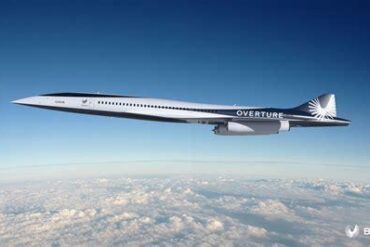
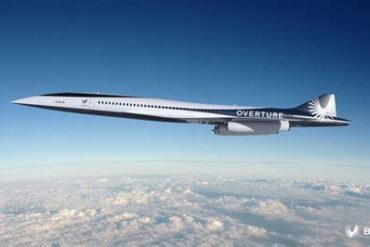
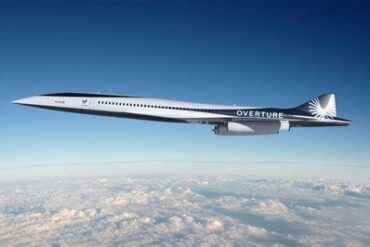
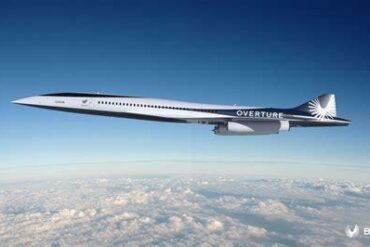
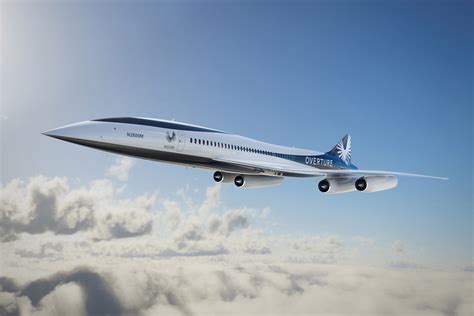
Now, Boom Supersonic aims to bring back supersonic passenger travel with the Boom Overture, the first commercial supersonic airliner expected to enter service in roughly three decades. While many people imagine Overture as a modernized Concorde, the reality is far more interesting. The aircraft may pursue the same goal—moving passengers faster than sound—but almost every aspect of its design reflects lessons learned from Concorde’s successes and failures.
The result is an aircraft that looks dramatically different from its legendary predecessor. From its engines and wings to its fuselage and materials, Overture represents a completely new approach to supersonic aviation, one designed for profitability, sustainability, and airline acceptance in the twenty-first century.
The differences reveal how far aerospace engineering has advanced since Concorde first took to the skies in 1969.
The Legacy of Concorde and the Challenge of Supersonic Travel
Concorde remains one of the most recognizable aircraft ever built. With its sharply pointed nose, elegant delta wings, and astonishing speed of Mach 2.04, it symbolized technological ambition unlike any other commercial airliner.
At its peak, Concorde could transport passengers between London and New York in approximately three and a half hours. Business leaders, celebrities, and wealthy travelers paid premium prices for the privilege of crossing the Atlantic faster than any other commercial aircraft.
Despite these advantages, Concorde faced significant obstacles. The aircraft consumed enormous amounts of fuel, generated substantial noise during takeoff and supersonic flight, and carried relatively few passengers compared to conventional widebody jets. These economic limitations became increasingly difficult to justify as airlines prioritized efficiency and operating costs.
Boom Supersonic understands that simply recreating Concorde would almost certainly lead to the same outcome. Therefore, Overture has been engineered from the ground up to address the factors that contributed to Concorde’s commercial struggles.
A Completely Different Engine Philosophy
The most obvious distinction between Concorde and Overture lies beneath their wings.
Concorde relied on four Rolls-Royce/Snecma Olympus 593 turbojet engines, among the most powerful and advanced engines of their era. These engines used afterburners, injecting additional fuel into the exhaust stream to generate extraordinary thrust during takeoff and supersonic cruise.
This approach enabled Concorde to cruise at approximately 1,350 miles per hour (2,172 km/h), but it came with significant drawbacks. Afterburners are notoriously fuel-hungry and generate immense noise. While they delivered exceptional performance, they also contributed to the aircraft’s high operating costs.
Boom Overture takes a fundamentally different path.
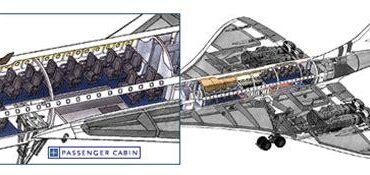
Instead of turbojets with afterburners, Overture will use four medium-bypass turbofan engines known as Symphony. These engines are designed specifically for efficient operation across both subsonic and supersonic flight regimes.
The absence of afterburners is a major breakthrough. By eliminating this technology, Boom expects to reduce fuel consumption, lower maintenance requirements, and significantly decrease noise levels.
Advanced inlet systems further enhance efficiency. The engine inlets are carefully shaped to slow incoming airflow before it reaches the compressor stages, allowing the engines to operate effectively even when the aircraft is traveling at supersonic speeds.
This modern propulsion philosophy reflects a broader shift in aviation. Today, airlines demand aircraft that balance performance with operational economics. Speed alone is no longer enough.
Why Overture’s Fuselage Looks So Different
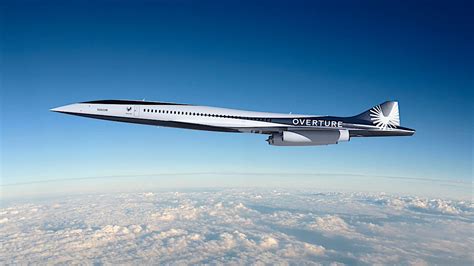
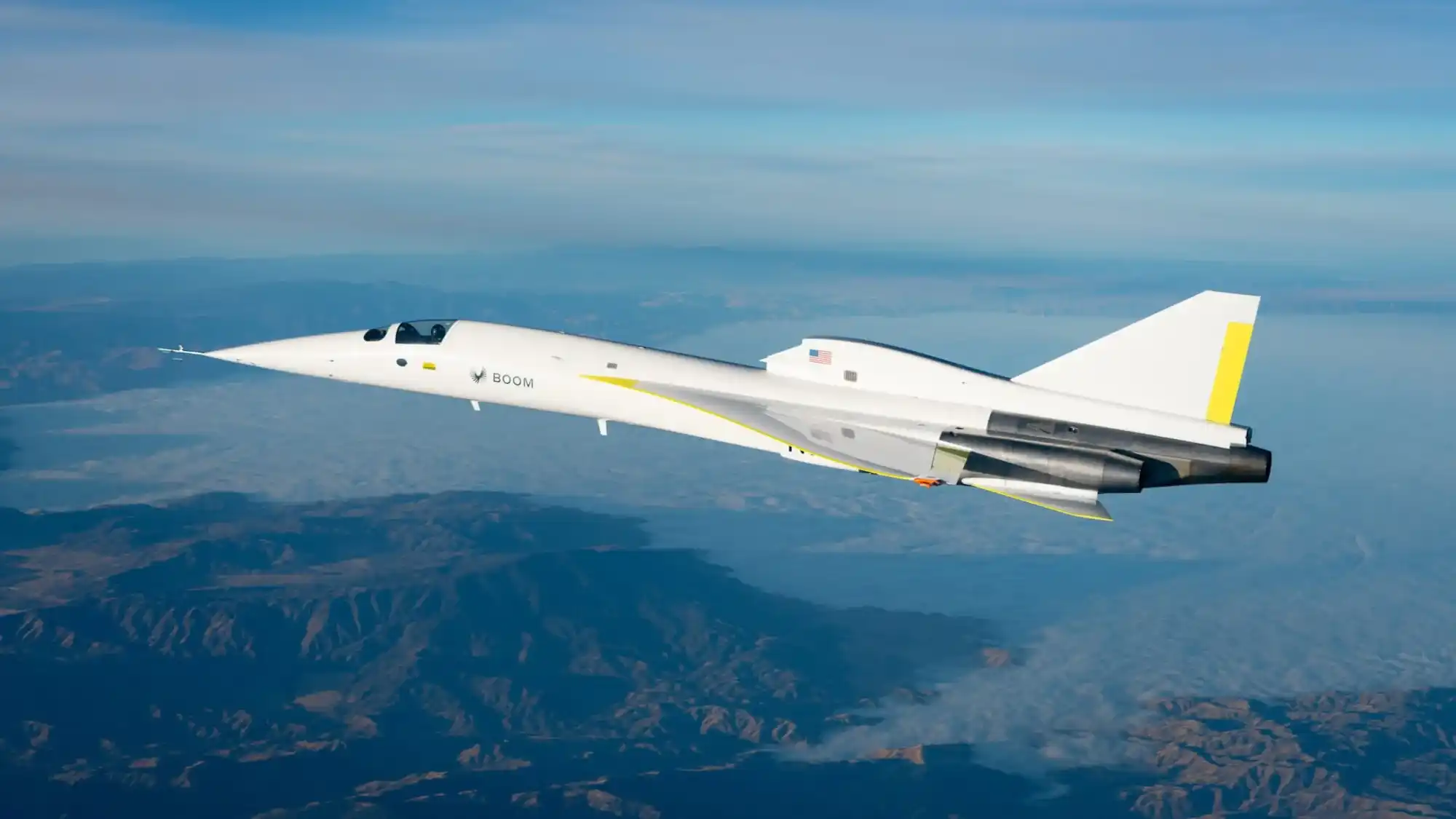
At first glance, many observers notice that Overture lacks the simple cylindrical body that characterized Concorde.
This is not a styling choice. It is the result of decades of aerodynamic research.
Concorde featured a relatively constant fuselage cross-section from nose to tail. While effective for its era, modern computational tools have enabled engineers to optimize aircraft shapes in ways that were previously impossible.
Overture employs a design principle known as area ruling.
Area ruling involves carefully controlling changes in an aircraft’s overall cross-sectional area along its length. Rather than maintaining a consistent diameter, the fuselage subtly narrows and widens at specific locations.
These variations help reduce wave drag, the aerodynamic resistance generated by shock waves during transonic and supersonic flight.
Reducing wave drag is critically important because it directly affects fuel efficiency and operating costs. Every reduction in drag translates into lower fuel burn and greater economic viability.
Modern computational fluid dynamics software allows engineers to simulate thousands of design variations before physical testing begins. This capability represents a dramatic advancement compared to the tools available during Concorde’s development.
The resulting aircraft may appear unusual, but every contour serves a specific aerodynamic purpose.
Advanced Wings Built for Two Different Worlds
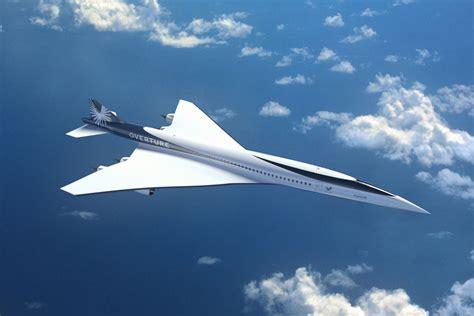
Both Concorde and Overture utilize delta wings, yet their implementations differ significantly.
The delta wing remains one of the most effective configurations for supersonic flight. Its highly swept shape helps reduce drag while maintaining stability at extreme speeds.
Concorde featured a distinctive ogival delta wing with gracefully curved leading edges. This design generated powerful vortices that enhanced lift during takeoff and landing while minimizing drag at cruising speed.
Boom has adopted a different approach.
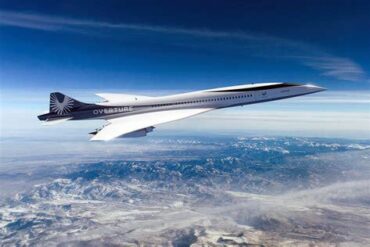
Overture incorporates what the company describes as a gull wing design, blending characteristics optimized for both supersonic and subsonic operations.
The wing geometry features straighter leading edges and more pronounced trailing-edge angles. These refinements help balance competing performance requirements, allowing the aircraft to achieve efficient cruise speeds while maintaining acceptable low-speed handling characteristics.
Unlike Concorde, Overture also includes a horizontal stabilizer at the tail.
This additional aerodynamic surface provides greater control authority and flexibility throughout the flight envelope. It represents another example of how modern engineering has evolved beyond the solutions available during the 1960s.
The End of Concorde’s Famous Droop Nose
Few aviation features are as iconic as Concorde’s drooping nose.
Because of its aerodynamic design and high angle of attack during takeoff and landing, Concorde’s pilots faced limited forward visibility. Engineers solved this challenge by creating a movable nose section that could tilt downward when visibility was needed and return to its streamlined position during cruise.
The system became one of Concorde’s defining characteristics.
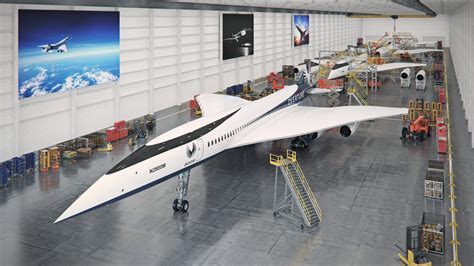
However, Overture eliminates the need for this mechanical solution entirely.
Instead, Boom is utilizing an augmented reality vision system.
This technology uses cameras and advanced displays to provide pilots with a clear view of the runway and surrounding environment without requiring a movable nose structure.
The advantages are substantial.
Removing the droop nose reduces weight, simplifies maintenance, decreases mechanical complexity, and improves overall reliability. At the same time, pilots receive enhanced situational awareness through modern digital systems.
The concept has already been tested aboard Boom’s XB-1 demonstrator aircraft, which successfully achieved supersonic flight during its development program.
This transition from mechanical innovation to digital innovation perfectly illustrates how aviation technology has evolved over the past half century.
Carbon Fiber Replaces Aluminum
Another major distinction between Concorde and Overture is hidden beneath the aircraft’s surface.
Concorde relied heavily on specialized aluminum alloys. These materials represented the best available solution at the time, capable of withstanding the elevated temperatures generated by sustained Mach 2 flight.
As the aircraft accelerated, aerodynamic heating caused its structure to expand noticeably. The expansion was significant enough to become a well-known aspect of Concorde operations.
Modern aerospace engineering offers superior alternatives.
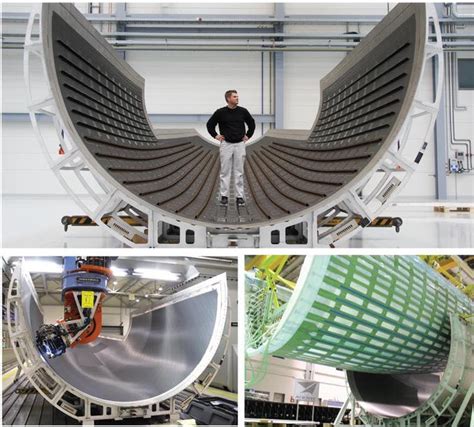
Overture will be constructed primarily from carbon-fiber composite materials, similar to those used extensively on the Boeing 787 Dreamliner and Airbus A350.
These materials deliver several advantages simultaneously.
Carbon composites are lighter than aluminum, helping improve fuel efficiency. They are stronger relative to their weight, allowing engineers greater design flexibility. They can be molded into complex aerodynamic shapes more easily, supporting Overture’s advanced area-ruled fuselage.
Additionally, composites exhibit improved resistance to fatigue and thermal expansion compared with traditional metallic structures.
The shift to composite construction is one of the most important technological advancements enabling the return of commercial supersonic travel.
Sustainability Is No Longer Optional
Perhaps the most significant difference between Concorde and Overture is not visible at all.
It is philosophical.
When Concorde entered service, environmental concerns played a much smaller role in aviation decision-making. Performance often took precedence over efficiency.
Today’s aviation industry operates under very different expectations.
Airlines, regulators, investors, and passengers increasingly focus on environmental responsibility. Any new supersonic aircraft must address these concerns if it hopes to achieve widespread acceptance.
Boom has therefore committed to operating Overture using 100% sustainable aviation fuel (SAF).
The company has established partnerships aimed at sourcing fuel produced from captured carbon dioxide and water, reducing lifecycle emissions compared to conventional jet fuel.
Although debates continue regarding the long-term scalability of SAF production, the commitment signals an important shift in how supersonic aviation is being positioned.
Rather than being viewed as an environmental extravagance, Overture seeks to become part of a more sustainable future for air travel.
Designed for Airline Economics Rather Than Prestige
Concorde was ultimately a prestige project.
While it generated enormous public interest and delivered remarkable performance, it never achieved widespread commercial adoption. Its economics limited its appeal to a narrow segment of premium travelers.
Boom’s strategy is fundamentally different.
The company aims to offer ticket prices closer to today’s business-class and first-class fares rather than the extraordinary premiums historically associated with Concorde.
With seating for 65 to 80 passengers, a range of approximately 4,250 nautical miles, and cruise speeds reaching Mach 1.7, Overture is designed to connect major international business markets while maintaining economic viability.
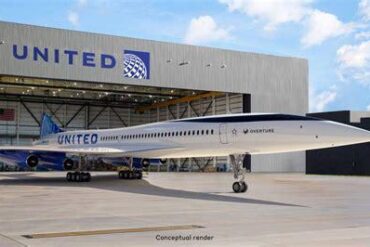
Several major airlines have already expressed confidence in the concept. Orders and commitments from United Airlines, American Airlines, and Japan Airlines indicate genuine industry interest.
This support suggests that airlines believe modern technology may finally make commercial supersonic travel financially sustainable.
How Modern Computing Changed Everything
One of the most important reasons Overture looks so different from Concorde is the dramatic evolution of engineering tools.
Concorde’s designers relied heavily on wind tunnel testing, slide rules, and physical prototypes. While groundbreaking for their time, these methods limited the number of design variations engineers could evaluate.
Today’s aerospace companies leverage sophisticated computational fluid dynamics, artificial intelligence, digital twins, and advanced simulation environments.
Engineers can test thousands of aerodynamic configurations virtually before constructing a single component.
This capability allows optimization at a level that would have been unimaginable during Concorde’s development.
Every curve of Overture’s fuselage, every angle of its wings, and every contour of its engine nacelles has been refined through computational analysis.
The aircraft’s distinctive appearance is therefore not merely modern styling. It is the visible outcome of decades of technological progress.
The Future of Supersonic Passenger Flight
The Boom Overture represents far more than a successor to Concorde. It embodies a new generation of aerospace thinking that prioritizes efficiency, sustainability, advanced materials, and digital technology alongside speed.
While Concorde captured the world’s imagination with its elegance and performance, Overture seeks to achieve something even more difficult: commercial viability.
Its quieter turbofan engines, area-ruled fuselage, gull wing configuration, augmented reality vision system, carbon-fiber construction, and sustainable fuel strategy all serve a single purpose. They are designed to make supersonic flight practical in an aviation industry dominated by economic and environmental considerations.
For that reason, the first supersonic passenger jet of the modern era will look nothing like Concorde.
And that may be precisely why it has a better chance of succeeding.