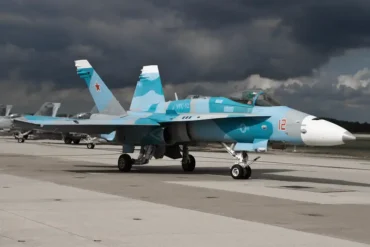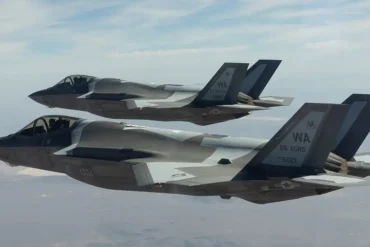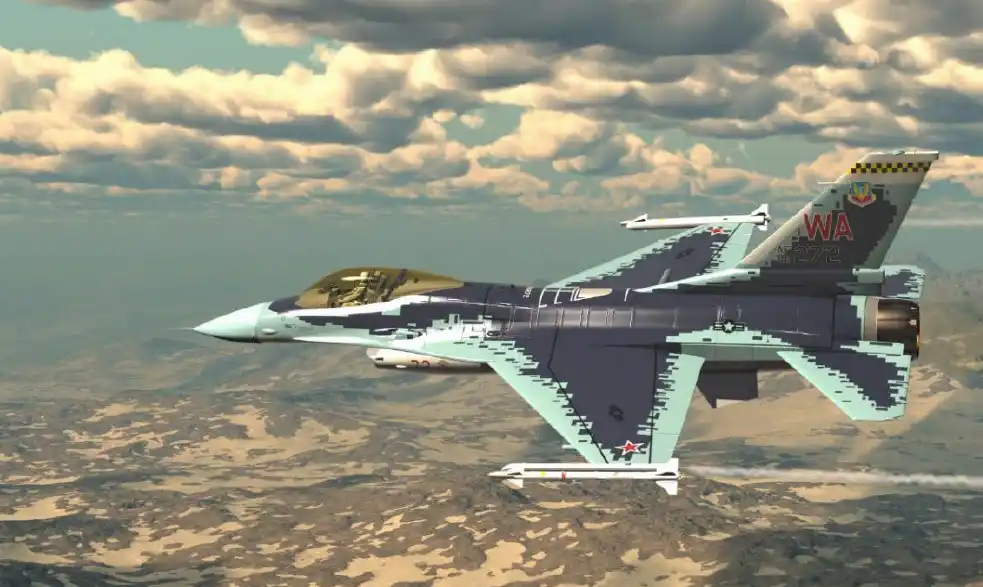
The F-16 Aggressor Paint Scheme plays a crucial role in adversary air training, allowing pilots to engage in realistic combat exercises. These unique paint schemes are designed to simulate potential enemy aircraft, making training more immersive and effective. The United States Air Force (USAF) and other air forces around the world utilize specialized camouflage patterns to replicate adversary tactics, enhancing air combat readiness.
Characteristics of the F-16 Aggressor Paint Scheme
Aggressor squadrons employ a variety of camouflage techniques to mimic the aerial threats posed by enemy nations. These schemes are carefully crafted based on intelligence assessments and historical adversary color patterns.
Low-Visibility Camouflage
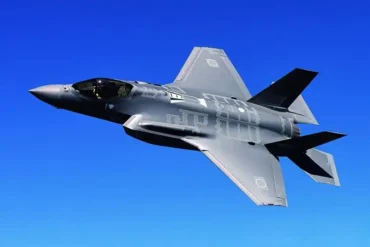
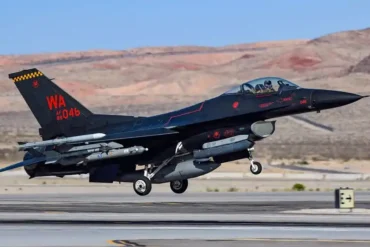
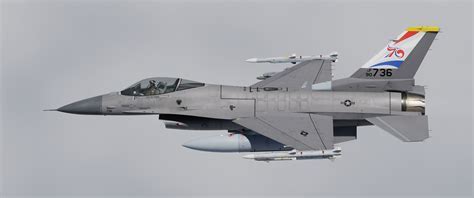
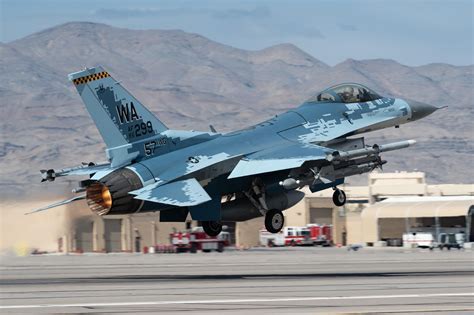
One of the most common approaches in aggressor aircraft design is low-visibility camouflage, which reduces the aircraft’s detectability in aerial engagements. Many F-16s in adversary roles use a gray or blue-gray color palette, often incorporating digital camouflage patterns to simulate the stealth characteristics of modern enemy fighters.
- Digital Gray Camo: Simulates stealth aircraft such as the Su-57 Felon or J-20 Mighty Dragon.
- Blue-Gray Scheme: Ideal for engagements at high altitudes, reducing visibility against the sky.
- Dark-Tone Patterns: Used to resemble Russian or Chinese combat aircraft.
Multicolor Block Camouflage
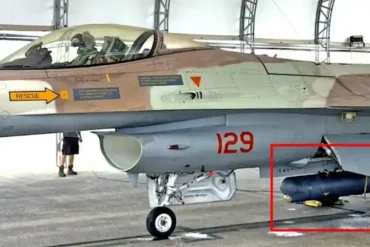
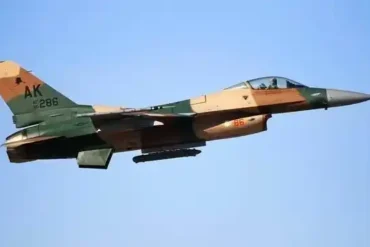
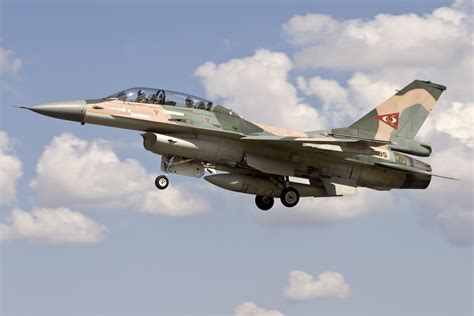
In regions where desert warfare scenarios are common, multicolor block camouflage is applied to F-16 Aggressors. These schemes are often used in Middle Eastern training environments.
- Desert Camouflage: Inspired by Israeli Air Force designs, featuring sand-yellow and deep brown combinations.
- Forest Green and Earth Tones: Applied in jungle and mountainous training areas.
Distinctive Markings and Identification Features
Aggressor squadrons need a balance between mimicking adversaries and ensuring clear identification for safety during training. Certain features are added to achieve this dual purpose.
Simulated Enemy Insignias
To create a realistic opposition force, some F-16s feature insignias resembling Russian, Chinese, or Middle Eastern air forces. This can include:
- Red Stars on the vertical stabilizers, mimicking Russian fighters.
- Fictional Enemy Unit Symbols to reinforce adversary training environments.
High-Contrast Recognition Stripes
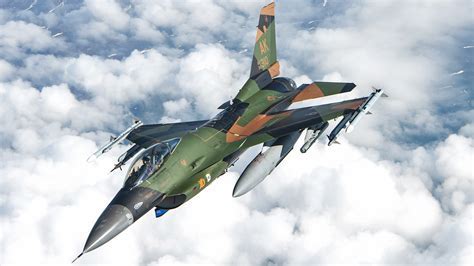
For safety and quick identification, many aggressor F-16s have brightly colored stripes painted along the fuselage or wings.
- Orange and Red Bands: Help differentiate aggressors from friendly units during training.
- Belly Identification Stripes: Enhance visibility in dogfighting maneuvers.
Historical and Commemorative Aggressor Paint Schemes
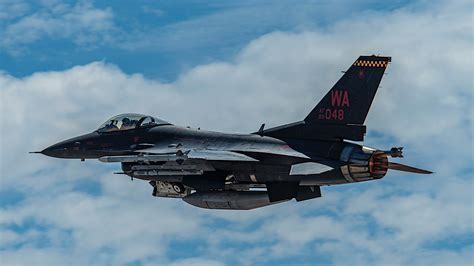
Over the years, some non-standard paint schemes have been used on F-16 Aggressors, either for commemorative purposes or special events.
Iowa Air National Guard’s Golden F-16
The Iowa Air National Guard once painted an F-16 in metallic gold, celebrating the unit’s anniversary milestone. While not a traditional aggressor camouflage, it demonstrated the versatility of specialized paint schemes.
Localized Camouflage in International Air Forces
Countries such as Chile and Pakistan have developed their own aggressor-inspired camouflage tailored to their geographical needs.
- Chile’s Mountain Camo: A mix of gray and green hues optimized for Andean terrain.
- Pakistan’s Jungle Camouflage: Designed for low-altitude training in dense forest regions.
Modernization and Standardization Efforts
Since 2022, the USAF has pushed for more standardized aggressor paint schemes, integrating elements from fifth-generation aircraft designs. This includes low-visibility coatings, reduced maintenance requirements, and enhanced durability for long-term operational use.
- Integrated Stealth Elements: Reduces radar cross-section for realistic combat simulation.
- Simplified Maintenance: New coatings are easier to repair, ensuring longevity.
Frequently Asked Questions (FAQ)
1. Why do F-16 Aggressors have different camouflage schemes?
F-16 Aggressors are painted in varied camouflage patterns to simulate potential enemy aircraft, making training exercises more realistic and challenging for combat pilots.
2. What is the most common F-16 Aggressor paint scheme?
The most common aggressor paint schemes include digital gray camouflage for stealth simulation and multicolor desert patterns used for Middle Eastern combat training scenarios.
3. How do aggressor F-16s differ from standard F-16s?
Aggressor F-16s are equipped with distinct paint schemes, modified avionics, and sometimes carry different training pods to simulate enemy tactics and capabilities.