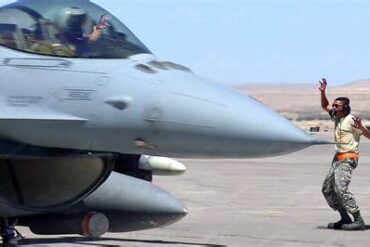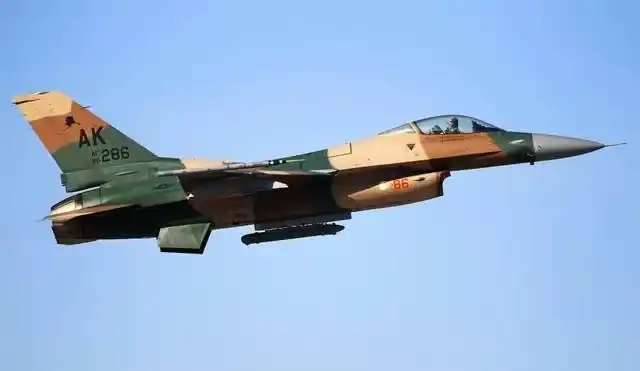
The Aggressor Squadron of the United States Air Force plays a crucial role in preparing American and allied pilots for real-world air combat. By simulating enemy tactics, aircraft, and strategies, these squadrons provide high-fidelity adversary training, ensuring that pilots gain valuable experience before facing actual threats. As an integral part of the U.S. Air Force’s Red Flag and DACT (Dissimilar Air Combat Training) exercises, these squadrons replicate potential adversaries with remarkable accuracy.
The Core Mission of Aggressor Squadrons
Aggressor Squadrons specialize in emulating enemy aircraft, radar systems, and combat tactics. Their primary objective is to expose pilots to realistic threats, reducing combat casualties and increasing situational awareness. To achieve this, Aggressor pilots undergo extensive training, studying enemy aircraft flight patterns, electronic warfare capabilities, and dogfighting maneuvers. With an average of over 2,500 flight hours, these pilots rank among the most experienced in the Air Force.
Key Training Objectives:
- Simulating enemy combat tactics based on intelligence assessments
- Providing realistic electronic warfare and radar jamming scenarios
- Enhancing fighter pilot survivability through high-intensity training
- Refining multi-national coalition combat effectiveness
Historical Development and Evolution
Origins in the Vietnam War
During the Vietnam War, U.S. pilots struggled against North Vietnamese MiG fighters, primarily due to a lack of realistic air combat training. The unfavorable kill ratio prompted the Air Force to establish Aggressor Squadrons in 1972. The 64th Aggressor Squadron, the first of its kind, was activated at Nellis Air Force Base, initially using T-38 Talons to simulate Soviet MiGs.
Aircraft Evolution and Technological Advancements
Early Aggressor Aircraft:
- T-38 Talon (initial platform, limited to basic adversary roles)
- F-5E Tiger II (simulated MiG-21, superior to the T-38 in maneuverability)
Cold War and Post-Cold War Era:
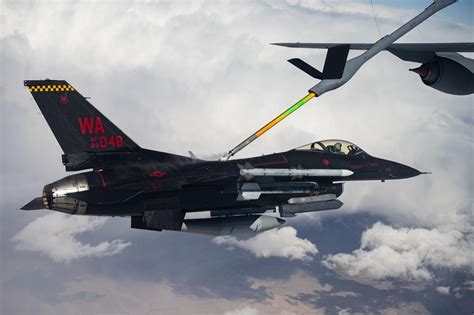
- F-16 Fighting Falcon (introduced to simulate newer enemy fighters)
- Acquired foreign aircraft such as Su-27 Flanker for accurate threat representation
Modern Upgrades:
- F-16s now equipped with AN/APG-83 AESA radar, improving detection of stealth aircraft
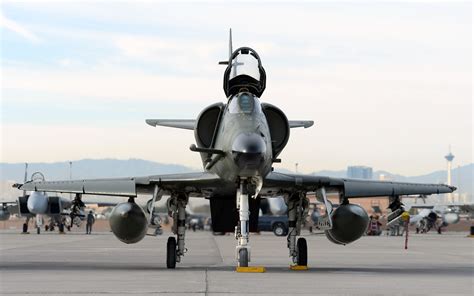
- Integration of private military contractors (PMCs) using ex-military aircraft (A-4K Skyhawk, Mirage F1)
Training Techniques and Simulated Combat
High-Fidelity Adversary Simulation
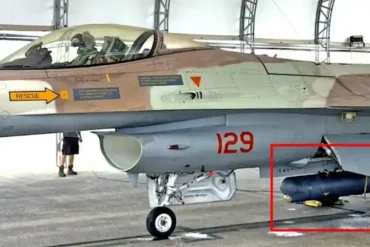
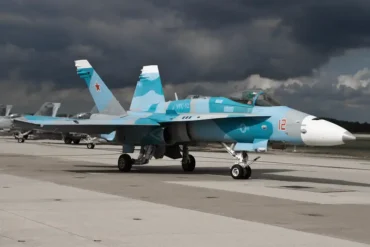
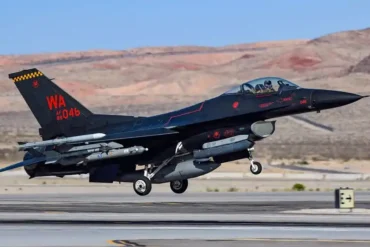
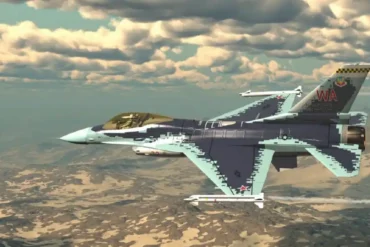
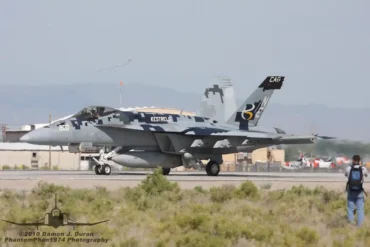
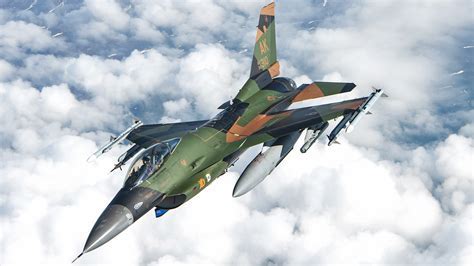
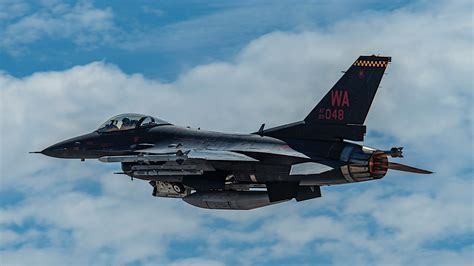
Aggressor Squadrons adopt enemy aircraft paint schemes, including Russian-style red star insignias and camouflage patterns. Pilots even use Russian cockpit markings and Cyrillic script to enhance immersion.
Advanced Training Tactics:
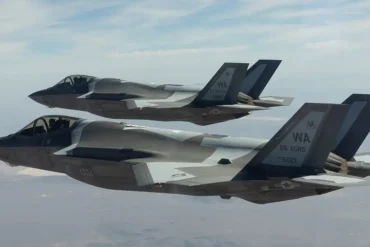
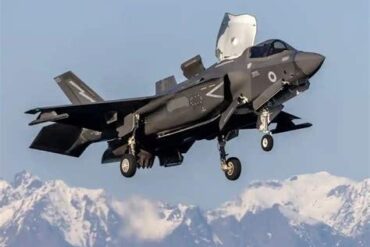
- Dissimilar Air Combat Training (DACT): Engaging F-22 Raptors, F-35 Lightning IIs, and other fifth-generation aircraft in simulated combat
- Electronic Warfare (EW) and Radar Simulation: Mimicking enemy radar emissions and jamming capabilities
- Layered Defense Simulation: Incorporating ground-based air defense systems and enemy command structures
Transition and Expanding Roles
Beyond Training: Real-World Defense Missions
Some Aggressor Squadrons have evolved from pure training roles to operational defense missions. The 18th Aggressor Squadron, originally based at Eielson Air Force Base, Alaska, now assists in air defense intercepts against Russian strategic bombers operating near U.S. airspace.
Budget Constraints and Private Contractors
Operating Aggressor Squadrons is costly, prompting the Air Force to integrate private contractors into lower-tier adversary roles. Companies such as Draken International and Tactical Air Support provide affordable alternatives, using aircraft such as the A-4 Skyhawk and Mirage F1, at one-fifth the cost of a fully operational military squadron.
Notable Aggressor Squadrons and Contractors
Major Aggressor Units:
- 64th Aggressor Squadron (Nellis AFB) – Known for high-end threat replication
- 18th Aggressor Squadron (Eielson AFB) – Transitioned into air defense roles
Leading Private Contractors:
- Draken International (A-4K Skyhawk, Mirage F1)
- Tactical Air Support (F-5 Tiger II, upgraded F-16s)
- Top Aces (former Israeli F-16s)
Conclusion
Aggressor Squadrons remain a cornerstone of U.S. Air Force combat training, enhancing pilot proficiency through realistic threat replication. While budget constraints have driven private sector involvement, military-run Aggressor units continue to dominate high-end adversary training. As global security threats evolve, Aggressor Squadrons are expected to play a growing role in both training and operational defense, ensuring U.S. and allied air forces maintain their combat edge.
FAQ
1. Why does the U.S. Air Force use Aggressor Squadrons?
Aggressor Squadrons provide realistic combat training by simulating enemy tactics, improving pilot survivability and effectiveness in real-world engagements.
2. What aircraft do Aggressor Squadrons use?
They operate modified F-16s, former Soviet aircraft like the Su-27, and private contractor-operated jets such as the Mirage F1 and A-4 Skyhawk.
3. How do private contractors support Aggressor training?
Companies like Draken International and Tactical Air Support provide low-cost adversary services, reducing operational expenses for the Air Force while maintaining training standards.