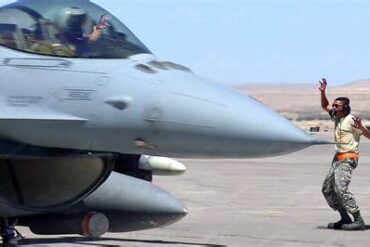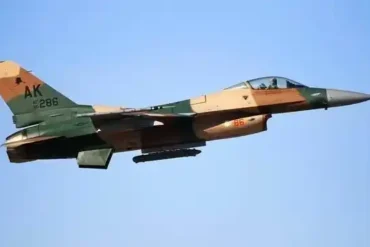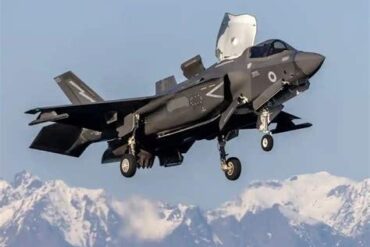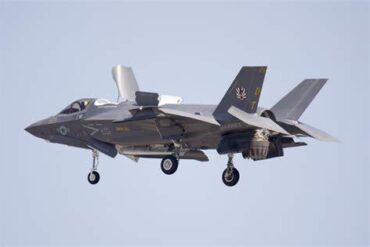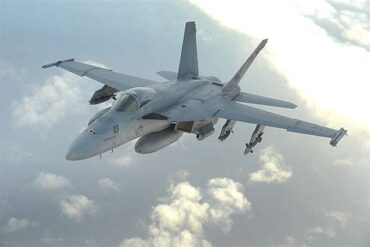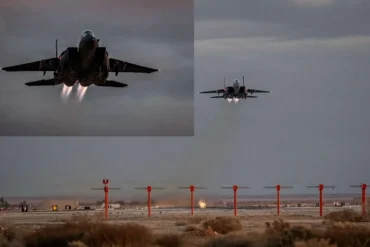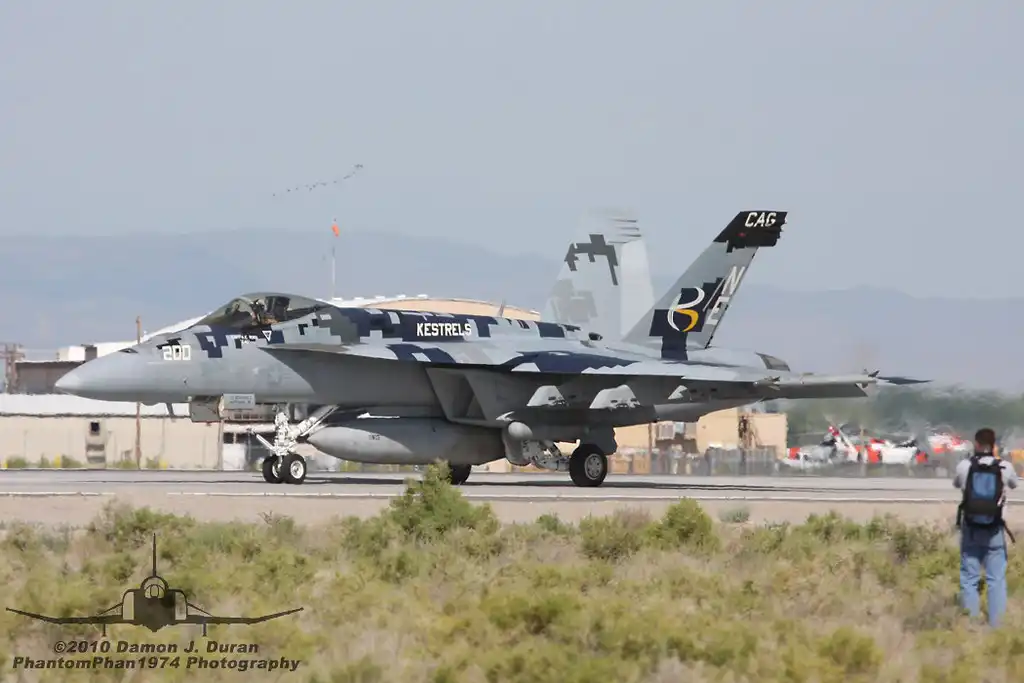
The Strike Fighter Squadron 137 (VFA-137), known as the “Kestrels”, is a premier United States Navy fighter squadron stationed at Naval Air Station (NAS) Lemoore, California. With a legacy of excellence, VFA-137 operates the advanced F/A-18E Super Hornet, an aircraft renowned for its combat versatility and technological superiority. The squadron has played a pivotal role in U.S. military operations across the globe, executing air superiority, strike, and reconnaissance missions with precision and efficiency.
Formation and Early Years
Establishment and Initial Aircraft (1980s)
VFA-137 was officially commissioned on July 2, 1985, and by November of the same year, it received its first fleet of F/A-18A Hornets. The squadron quickly established itself as an elite unit, winning the prestigious Silver Anchor Award in October 1986 for its exceptional organizational efficiency.
The Kestrels embarked on their first operational deployment in 1987, joining Carrier Air Wing 13 (CVW-13) aboard USS Coral Sea (CV-43) for operations in the Mediterranean Sea. Their early achievements were solidified in 1988, when they earned the Battle Efficiency “E” Award for their outstanding combat readiness.
Transition to Advanced Aircraft
Upgrading to F/A-18C (1990s)
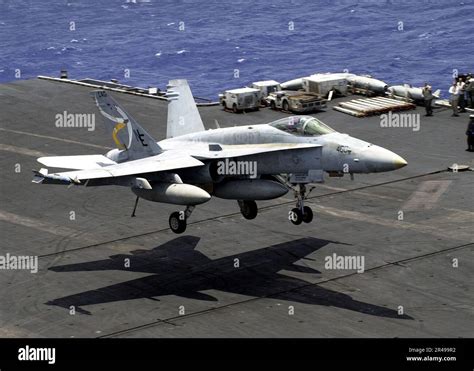
By September 1992, VFA-137 relocated to NAS Lemoore, marking the beginning of a new era with the Lot 15 F/A-18C Hornet, a model equipped with advanced night attack capabilities. This transition significantly enhanced the squadron’s combat effectiveness, particularly in low-visibility operations.
In 1994, the Kestrels deployed with Carrier Air Wing 2 (CVW-2) to the Western Pacific, participating in Operation Southern Watch, where they enforced the Iraqi no-fly zones. This operation demonstrated their ability to conduct sustained, high-intensity air operations in hostile environments.
The Era of the F/A-18E Super Hornet
Transition to Super Hornet (2000s)
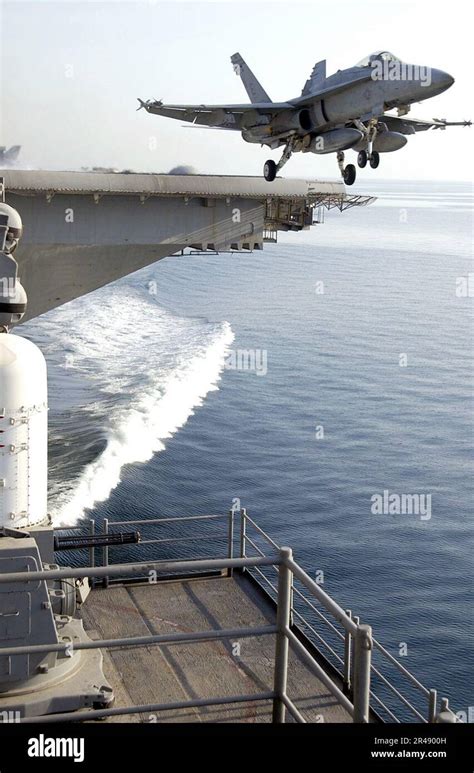
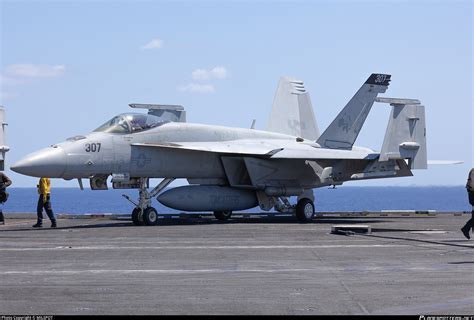
In 2003, following their participation in Operation Iraqi Freedom, the Kestrels underwent a significant transition to the F/A-18E Super Hornet, becoming the third U.S. Navy squadron to operate this advanced aircraft. The Super Hornet brought increased range, payload capacity, and survivability, making VFA-137 an even more formidable force.
By 2004, VFA-137 had already distinguished itself with this new platform, securing the Battle Efficiency “E” Award and the Michael Estocin Award, a testament to their superior combat effectiveness and flight safety protocols.
Combat Deployments and Operations
Key Engagements
Iraq Operations
Throughout the 1990s and early 2000s, VFA-137 played a critical role in Iraqi air operations.
- They executed numerous precision strikes during Operation Southern Watch, ensuring compliance with no-fly zones.
- During Operation Iraqi Freedom (2003), the squadron conducted over 500 sorties, delivering more than 300,000 pounds of ordnance on high-value targets.
Aircraft Carrier Deployments
As part of Carrier Air Wings, VFA-137 has operated from some of the most renowned aircraft carriers, including:
- USS Coral Sea (CV-43) – Initial Mediterranean deployment.
- USS Constellation (CV-64) – Key operations in the Persian Gulf.
- USS Abraham Lincoln (CVN-72) – Western Pacific missions in 2004, projecting American airpower in strategic regions.
These deployments underscored the Kestrels’ operational flexibility, allowing them to rapidly adapt to diverse theaters of conflict.
Achievements and Safety Record
Notable Honors
VFA-137 has garnered numerous accolades over the years, reinforcing its reputation as an elite strike fighter squadron:
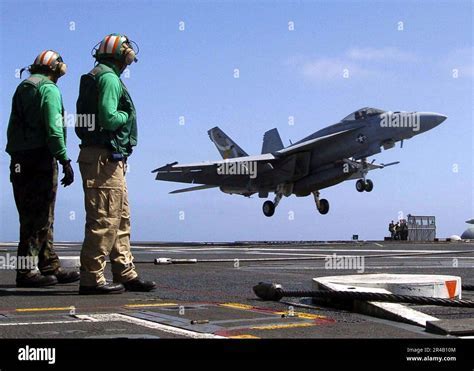
- Golden Tailhook Award (1989, 1990) – Recognizing excellence in carrier landing performance.
- Battle Efficiency “E” Awards – Multiple awards for overall combat effectiveness.
- Michael Estocin Award (2004) – Recognizing superior fighter squadron performance in air warfare.
Safety Milestones
Maintaining operational excellence requires stringent safety measures, and VFA-137 has demonstrated this with an impeccable record. By the early 2000s, the squadron had amassed an impressive 90,000 accident-free flight hours, a testament to its pilots’ skill and the effectiveness of its rigorous maintenance protocols.
Conclusion
From its formation in 1985 to its current role as an F/A-18E Super Hornet squadron, VFA-137 Kestrels have remained at the forefront of U.S. Navy air combat operations. Their contributions to missions in Iraq, the Pacific, and global carrier operations showcase their adaptability, skill, and unwavering commitment to excellence. As they continue to operate from NAS Lemoore, the Kestrels remain a key component of American naval airpower, ready to face emerging threats with cutting-edge technology and battle-hardened experience.
Frequently Asked Questions
What aircraft does VFA-137 currently operate?
VFA-137 currently flies the F/A-18E Super Hornet, a highly capable multirole fighter with enhanced range, weapons capacity, and survivability.
What are the key combat missions VFA-137 has participated in?
The squadron has been involved in multiple high-profile operations, including Operation Southern Watch (Iraq no-fly zone enforcement) and Operation Iraqi Freedom, where they conducted precision strikes and air support missions.
Where is VFA-137 based?
VFA-137 is stationed at Naval Air Station Lemoore, California, a premier base for U.S. Navy strike fighter squadrons operating F/A-18 Super Hornets.