In the high-stakes world of modern aerial warfare, few things hold as much symbolic weight as the traditions shared between fighter pilots. Among the most curious and compelling is the seemingly theatrical — yet deeply meaningful — gesture known as the ‘claw’ hand signal. Flashing an open hand curled into the shape of a paw with extended claws may seem like a casual salute or even a joke to the untrained eye, but in fighter squadrons across the United States Air Force, this single motion carries a weight of tradition, pride, and silent communication that speaks volumes.
The ‘claw’ hand signal is a cultural cornerstone within certain squadrons, representing fierce allegiance to their mascot and unwavering commitment to the team. It’s a tradition that captures the ethos of the fighter pilot brotherhood — one of trust, ferocity, and unshakable bond.
The Mascot Behind the Claw: A Panther’s Spirit in the Sky
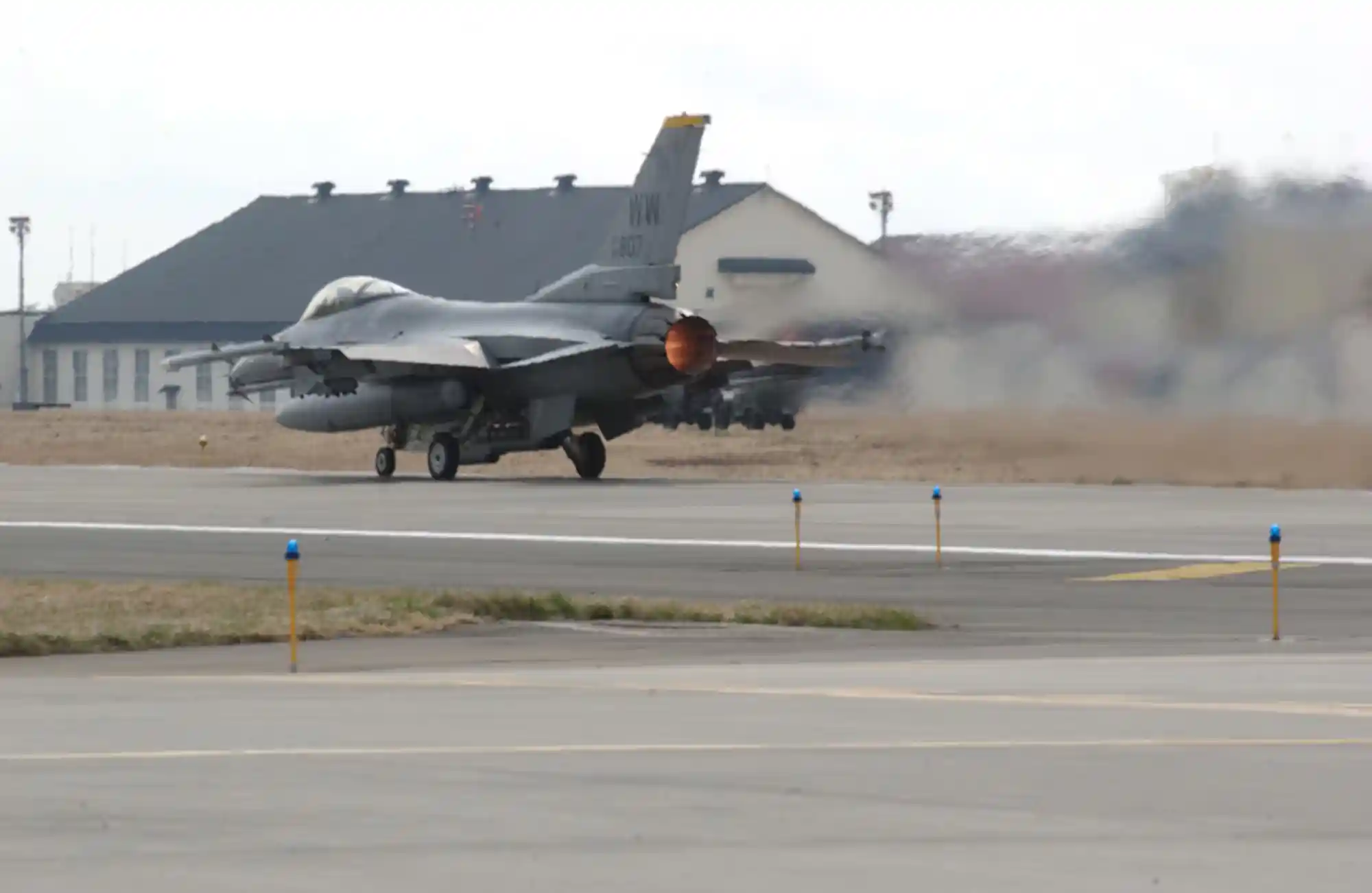
At Misawa Air Base in Japan, the 13th Fighter Squadron — known as “The Panthers” — exemplifies the deep connection between a unit and its chosen symbol. The panther mascot is more than just a name or a patch; it’s the emotional and motivational core of the squadron. Panthers are known for their stealth, speed, and deadly precision — traits that align perfectly with the nature of a combat-ready fighter pilot.
The hand signal itself is simple: the fingers are curled into a claw shape, often held in front of the chest or flashed toward another team member, particularly when preparing for a mission or during moments of camaraderie. It’s a non-verbal “Go Panthers!” — a rallying cry without words. The act doesn’t require explanation among members; it’s an insider tradition, a gesture passed down between generations of airmen who have worn the same patch and flown under the same banner.
The Claw Signal: Tribal Identity and Tactical Brotherhood
While the claw gesture might appear informal, its repetition across deployments and assignments becomes something more sacred. It’s tribal, almost ritualistic, and rooted in the belief that elite performance stems from tight-knit loyalty. In the intense world of military aviation, where lives depend on perfect synchronization, any form of emotional cohesion can become mission-critical.
Psychologists and military historians often highlight the importance of shared identity in high-risk professions. In fighter squadrons, this shared identity is reinforced through symbols like mascots, emblems, mottos — and yes, hand signals. The claw is more than theatrical; it’s a badge of belonging, a reminder that when the pilot is 30,000 feet in the air and hostile threats are imminent, they’re not flying alone.
Beyond the Panther: The ‘Tiger, Tiger’ Signal and Other Squadron Gestures
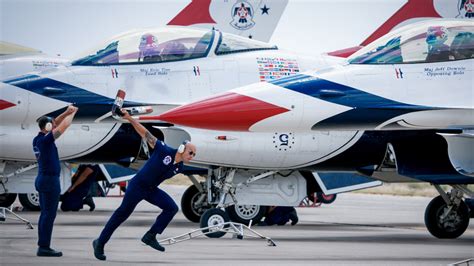
The 13th Fighter Squadron isn’t the only unit using animal-themed hand signals. In squadrons where the tiger is the mascot, the so-called “Tiger, Tiger” gesture mimics claw swipes and is often used as a pre-takeoff acknowledgment between ground crew and pilots. It’s theatrical in nature, but it also provides an unmistakable visual cue that a pilot is cleared to proceed — a creative evolution of the traditional thumbs-up.
These animal-inspired hand signals might not be part of the official military handbook, but they thrive in the culture of individual squadrons. Ground crew members who feel part of the squadron’s identity often mirror these gestures back to pilots, creating an atmosphere of mutual respect and tribal cohesion. When the pilot flashes the claw and the crew returns it, there’s a silent moment of recognition: We’re all part of the same mission.
The Functional Role of Ground Crew Hand Signals
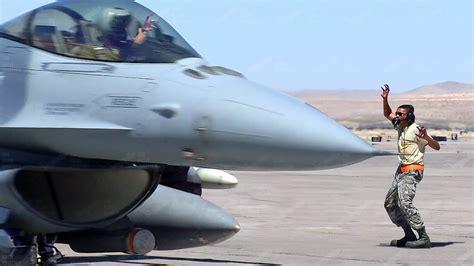
While the claw is symbolic, the broader context of aircraft hand signaling is highly functional. On the tarmac, during pre-flight checks or taxiing maneuvers, verbal communication is often impossible due to jet engine noise and distance. This is where precision hand signals — standardized across the Air Force and Navy — become critical.
Hand signals for actions like chocks removal, canopy opening, engine start, brake check, or tow bar adjustment are universal among ground operations. The person giving these signals — often using orange batons or simply exaggerated arm movements — is tasked with delivering clear, unambiguous directions to the pilot. Even minor miscommunication in these moments could lead to catastrophic damage or injury.
One such example is a ground marshal using a circular motion followed by a direct point to signal a tow tractor driver to reposition the tow bar. This isn’t just about moving equipment; it’s about maintaining operational safety in an environment filled with spinning turbines, live ammunition, and million-dollar machines.
Ritual Meets Utility: Why the Claw Endures
Though the claw isn’t standardized like ground crew signals, it survives — and thrives — because of its hybrid nature. It occupies the liminal space between ritual and utility. It may not move aircraft or authorize an engine start, but it moves morale, especially in units with a deep sense of heritage.
There’s also a performative angle to it. Fighter pilots are notoriously proud of their craft, often showcasing bravado that’s earned through years of elite training. Gestures like the claw are part of the swagger, but they’re also unifiers, subtly reinforcing the idea that each person wearing the patch is part of a long lineage of warriors.
Nonverbal Language of the Skies: How Culture Informs Combat
Every military unit in history has developed its own internal culture — a blend of practical protocol and unspoken traditions. For fighter squadrons, that culture is often visual and fast, mirroring the demands of aerial combat. The claw hand signal, like nose art on a fighter jet or a personalized helmet decal, speaks to the desire of warfighters to leave a mark, to signify identity in a sea of conformity.
Nonverbal language like this can have surprising operational impacts. Pilots who feel strongly tied to their unit and its symbols often exhibit greater cohesion, improved decision-making, and higher mission confidence. In psychology, this is known as unit identification theory, and it’s particularly relevant in special forces and elite aviation groups.
Misawa’s 13th Fighter Squadron: Keeping the Legacy Alive
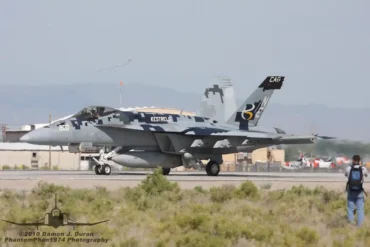
Misawa Air Base’s 13th Fighter Squadron — the epicenter of the claw hand signal tradition — continues to serve as a prime example of how symbols reinforce squadron integrity. With F-16 Fighting Falcons regularly deploying from the base, the panther mascot and accompanying hand signal maintain their place in pre-flight rituals, deployment ceremonies, and even casual exchanges between squadron members.
During departure and arrival ceremonies, it’s common to see groups of pilots or airmen flashing the claw toward each other, like a secret code known only to the initiated. It’s especially poignant during homecomings, when the sight of the claw flashed across a crowd of family and friends speaks louder than any words could. It says, “We made it. We’re still the Panthers.”
Conclusion: A Gesture That Transcends Words
In the fast, chaotic, and often dangerous world of fighter aviation, the claw hand signal stands as a subtle yet powerful emblem of unity. It’s a tradition forged in camaraderie, shaped by shared danger, and sustained through generations of fighter pilots who refuse to let their squadron identity fade.
Whether it’s the fierce swipe of the Tiger or the proud claw of the Panther, these gestures are reminders that in a world governed by technology, firepower, and discipline, sometimes the most human expression of solidarity is a simple curl of the fingers. The claw is not just a signal; it’s a story — one written not in manuals or briefings, but in the living, breathing culture of those who dare to fly.