Iceland is a remarkable nation that has achieved an astounding 800-year period of peace, largely owing to its commitment to cooperation, respect for nature, and cultural unity. Unlike many countries that have faced turmoil and conflict throughout their histories, Iceland stands as a beacon of stability and tranquility. With a small, closely-knit population and no standing army, the residents of this island nation have cultivated a unique social fabric that thrives on mutual support and understanding, allowing them to coexist harmoniously without the specter of war looming over them.
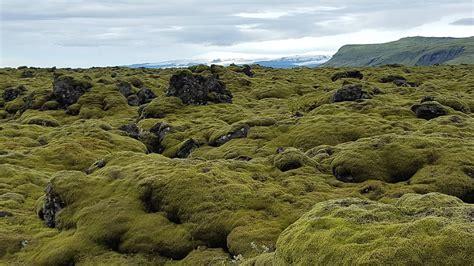
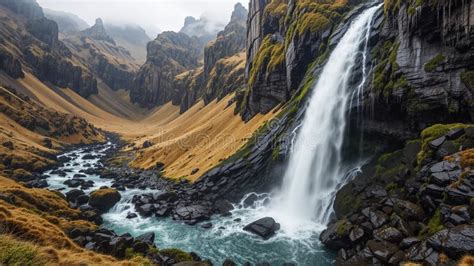
Nestled in a stunning natural landscape characterized by snow-capped mountains, geysers, and vast glaciers, Iceland’s environment plays a vital role in fostering a culture of peace. The rugged beauty of the land, coupled with its harsh climate, encourages humility and cooperation among its inhabitants. This connection to nature is not merely aesthetic; it shapes the very way Icelanders view their existence and relationships with one another.
Historically, Iceland was not always the peaceful country it is known for today. The echoes of Viking raids and clan warfare can be found in the ancient Icelandic Sagas, which recount tales of fierce battles and territorial disputes. However, the transition from a society marked by conflict to one celebrated for its peace can be traced back to significant shifts in cultural attitudes and governance structures. The establishment of one of the oldest parliamentary institutions in the world at Thingvellir in 930 AD marked a turning point, as it provided a platform for dialogue and dispute resolution, laying the groundwork for a society that values words over violence.
One of the critical factors in maintaining peace in Iceland is the small size of its population, which fosters a sense of community and interconnectedness. In such a close-knit society, where everyone knows each other or has mutual acquaintances, there is a natural inclination towards kindness and fairness. This intimate social structure creates an environment where cooperation becomes essential for survival. For example, during emergencies, like the recent incident involving a missing hiker in the Highlands, the community rallied together, demonstrating an unwavering commitment to helping one another. Despite the weather’s harshness and the challenge posed by the rugged terrain, volunteers organized search efforts, highlighting how Icelanders prioritize collective safety and well-being above all else.
This inherent spirit of cooperation is further reflected in Iceland’s cultural practices. The Icelanders have a long-standing tradition of settling disputes through art, particularly poetry, rather than through physical confrontation. This literary culture has given rise to a wealth of creative expression that allows individuals to convey their emotions and grievances through words. The ability to articulate feelings and thoughts through poetry serves as a powerful tool for conflict resolution, reinforcing the notion that dialogue is far more productive than violence.
Furthermore, Iceland’s unique folklore, rich with tales of trolls and ogres, often serves as a metaphorical reflection of the human experience, exploring darker themes while ultimately steering clear of glorifying violence. This cultural narrative encourages introspection and understanding, fostering a mindset that values peace over conflict. The Icelandic literary tradition, therefore, is not just an artistic endeavor but a fundamental pillar that supports the nation’s enduring peace.
Nature, too, plays a pivotal role in sustaining Iceland’s peace. The awe-inspiring landscapes, from the glacial rivers to volcanic craters, are not only a source of national pride but also serve as a reminder of the power and fragility of life. Living amidst such dramatic natural forces instills a deep-seated respect for the environment and a recognition of humanity’s place within it. The harsh realities of Iceland’s climate necessitate a lifestyle that emphasizes resilience and adaptability, qualities that have become ingrained in the national character.
Icelanders often find solace and tranquility in their natural surroundings. The act of listening to snow gently falling or gazing at the Northern Lights can be profoundly soothing, offering a respite from the stresses of daily life. This connection to nature is integral to the Icelandic way of life, promoting mental well-being and harmony within the community. The peaceful ambiance of the country allows residents to unwind and reconnect with themselves and their surroundings, whether it’s through relaxing in geothermal hot springs or enjoying a quiet walk in the wilderness.
The slower pace of life in Iceland contributes to a pervasive sense of peace. After a day’s work, locals engage in leisurely activities that foster relaxation and social connection. Whether it’s enjoying a pint of beer at a local pub or spending time with family and friends, these moments of reprieve play a crucial role in maintaining Icelanders’ mental health and happiness. The societal norm of leaving doors unlocked and allowing children to roam freely further underscores the inherent safety felt by residents, creating an environment where trust and community spirit thrive.
In conclusion, Iceland’s remarkable 800-year journey towards sustained peace is a testament to the power of cooperation, a deep respect for nature, and a strong cultural identity. The unique interplay between these elements has forged a society that values harmony and understanding over conflict. As the world grapples with increasing political tensions and societal divisions, Iceland stands as a beacon of hope, demonstrating that peace is achievable through collective effort and a shared commitment to the greater good. The nation’s story serves as an inspiration for others, reminding us that true strength lies in unity, respect, and a profound connection to the world around us.