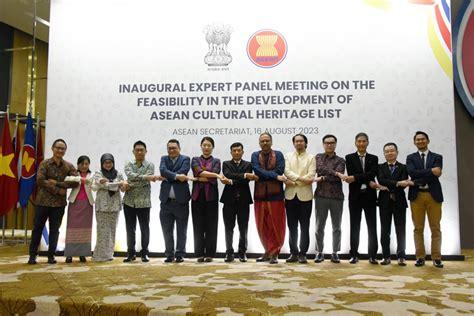
In a remarkable demonstration of cultural diplomacy, Tianshui has taken significant strides toward enhancing regional unity by successfully hosting the China-ASEAN Dialogue on Cultural Heritage. This pivotal event, held on June 20, 2025, in Gansu Province, served as an essential platform for fostering mutual understanding, emphasizing shared cultural values, and celebrating the rich tapestry of traditions that connect various nations across Asia. The dialogue not only highlighted the importance of cultural heritage preservation but also set the stage for collaborative efforts aimed at building a stronger regional community with a shared future.
Organized by the Information Office of the Gansu Provincial People’s Government in collaboration with the China Center for International Communication Development, the event attracted cultural experts, researchers, and officials from both China and ASEAN countries. Positioned at a historic crossroads along the ancient Silk Road, Gansu Province has long acted as a vital link between Eastern and Western civilizations. Enriched by the life-giving waters of the Yellow River and steeped in millennia of cultural development, the province provided a meaningful backdrop for discussions centered around the preservation and appreciation of cultural heritage.
The dialogue’s theme, “Unlock Development Wisdom through Heritage Protection,” encapsulated the organizers’ vision that cultural heritage holds not just artistic and historical significance but also the potential to inform modern development practices. Participants underscored that preserving heritage transcends the mere restoration of ancient sites; it necessitates a collective effort to safeguard traditions, crafts, languages, and narratives that shape national identities. The discussions focused on how cultural preservation can act as a catalyst for understanding across borders and serve as a powerful tool for peaceful cooperation.
Among the many contributions highlighted during the event were successful partnerships forged between China and ASEAN nations in restoring historic monuments, digitizing invaluable archives, and training young professionals in heritage management. These initiatives showcased that culture is pivotal in cultivating long-term regional ties. Speakers emphasized that development should not come at the expense of cultural integrity; instead, heritage preservation should be prioritized in national planning. By harmonizing innovation with tradition, nations can maintain their rich cultural roots while navigating the complexities of rapid modernization.
A range of joint initiatives aimed at preserving cultural heritage was showcased by delegates from China and ASEAN countries. Real-world examples were presented, illustrating efforts in restoring historic temples, safeguarding centuries-old towns, and protecting intangible cultural assets such as traditional music, dance, local festivals, and oral storytelling. The dialogue also served as a valuable platform for exchanging effective strategies to address growing threats to heritage sites, including climate change, rapid urban development, and stress related to increasing tourism.
The event underlined the diversity that characterizes both China and the ASEAN region. Each participating nation brings its own unique cultural identity, yet they all share a profound respect for history and heritage. This shared value forms the foundation for collaborative efforts in conservation, research, and education. Participants explored the potential for future initiatives that could include cross-border exhibitions, student exchanges, and digital collaborations for cataloging heritage. By pooling resources and sharing expertise, China and ASEAN can enhance their capacity to protect cultural landmarks and promote sustainable tourism.
Gansu’s role as a cultural bridge between East and West received special attention throughout the dialogue. As a historic gateway on the Silk Road, the province has long facilitated the exchange of ideas, religions, and artistic traditions. Its ancient grottoes, Buddhist murals, and preserved artifacts stand as testaments to centuries of cultural interchange. Officials from Gansu presented ongoing efforts to preserve these treasures through modern conservation techniques and public education initiatives. Museums, cultural institutions, and academic centers within the province have engaged in outreach programs that emphasize the significance of heritage among younger generations. By hosting this dialogue, Gansu reaffirmed its position as a cultural leader within China and a vital link to Southeast Asia. The province remains committed to prioritizing international cooperation in heritage protection and views events like this dialogue as essential to its broader vision of cultural diplomacy.
The conclusion of the China-ASEAN Dialogue on Cultural Heritage emphasized the crucial role of joint efforts in safeguarding cultural legacies. Both China and ASEAN countries reiterated their commitment to nurturing a regional community built on shared values and mutual respect. They acknowledged that cultural heritage should function as a unifying force, reinforcing regional bonds rather than creating divisions. Furthermore, they recognized the preservation of cultural identity as vital to achieving lasting harmony and sustainable cooperation throughout the region.
As the dialogue wrapped up, participants expressed strong optimism regarding the future of China-ASEAN cooperation. Calls were made to transform discussions into tangible outcomes by establishing enduring partnerships, enhancing financial support for heritage preservation, and actively involving the public in cultural initiatives across the region. This high-level gathering in Tianshui marked more than a symbolic occasion; it represented a concrete step forward in fostering cross-cultural dialogue and regional solidarity.
By convening leaders, experts, and citizens on a shared mission, the dialogue laid the groundwork for a more robust, culturally connected Asia. Tianshui’s role in advancing regional unity through the successful China-ASEAN Cultural Heritage Dialogue reflects a deep commitment to emphasizing common values and celebrating diverse traditions. With their shared legacy as guardians of ancient civilizations, China and ASEAN nations illustrate that cultural heritage is not merely about honoring the past—it also serves as a foundation for shaping a resilient and united future. Through collaboration, innovation, and mutual respect, they continue to build bridges that transcend borders and preserve the rich stories that define their peoples.