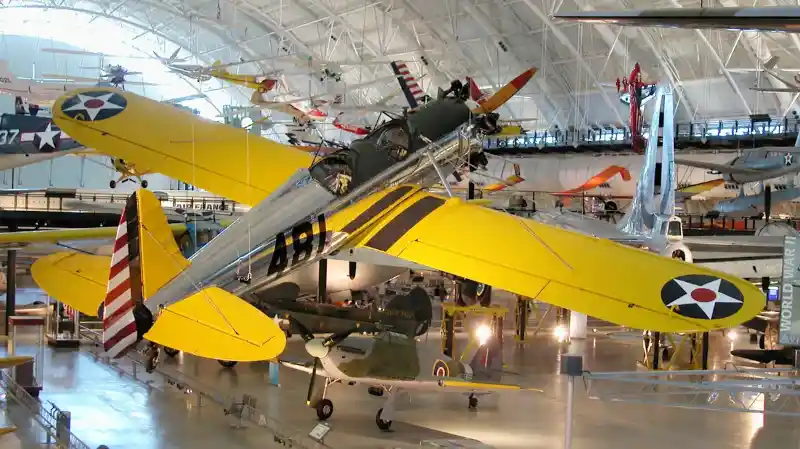
U.S. military aviation in the early years of World War II faced a visual identity crisis—one that carried lethal consequences in the heat of battle. As the war escalated in the Pacific following the attack on Pearl Harbor, the insignia painted on U.S. aircraft came under intense scrutiny. The issue was not merely aesthetic; it was a matter of life or death, driven by rapid combat decisions and the peril of mistaken identity.
Pearl Harbor and the Imperative for Rapid Distinction
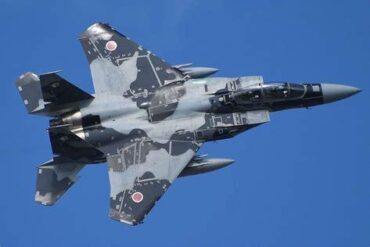
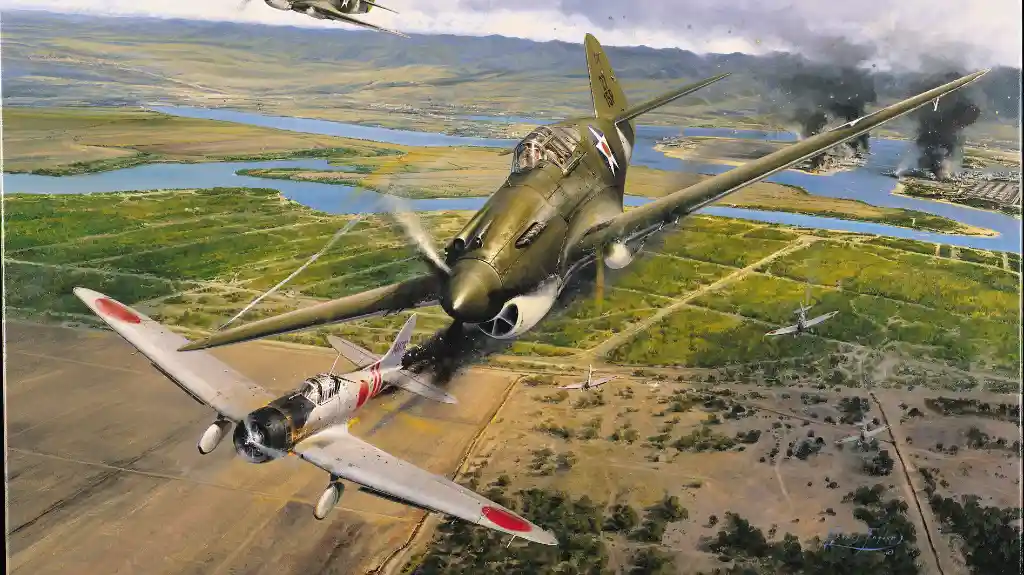
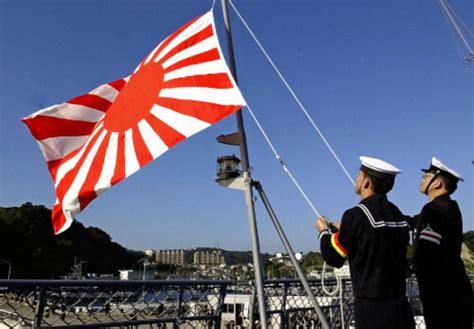
On December 7, 1941, the Japanese attack on Pearl Harbor launched the United States into World War II. The Imperial Japanese Navy unleashed a devastating strike with hundreds of aircraft bearing the unmistakable Rising Sun insignia—a red disc with 16 rays extending outward on a stark white background. This powerful symbol, long used by Japan’s military forces since 1870, was instantly etched into the memories of American service members and citizens alike. The association of a red circle with the enemy became emotionally and tactically charged.
Ironically, at the time of the attack, U.S. military aircraft bore insignia that included a similar red circle—referred to as the “red ball.” This was placed in the center of a white five-pointed star, itself encased in a blue roundel. While the intent was to reflect the American flag’s red, white, and blue, the similarity to Japan’s Hinomaru—the plain red disc also used on Japanese aircraft—was too close for comfort.
From Recognition to Risk: The Red Ball Controversy
The red circle became a visual liability. American pilots, especially those engaged in dogfights across the Pacific Theater, began to report confusion in identifying aircraft during high-speed engagements. With the risk of friendly fire incidents escalating, some squadrons took matters into their own hands, hastily painting over the red center with white paint. This grassroots adaptation signaled a shift in policy soon to be made official.
By May 1942, the U.S. military issued formal orders to remove the red center from all aircraft insignia. Within a month, this directive became mandatory across all combat aircraft, eliminating any ambiguity between friend and foe in Pacific airspace.
Symbolism and Historical Roots of the Red Disc
The use of a red disc is deeply rooted in Japanese mythology. The symbol represents Amaterasu, the sun goddess from whom the Japanese imperial family claims descent. As early as 1854, Japanese naval vessels were required to display this emblem to distinguish themselves from foreign ships. By 1870, during the Meiji Restoration, the design had become a standardized mark of the modern Japanese military.
In contrast, the U.S. military insignia evolved in response to both internal and external pressures. The red star first emerged during the Mexican Punitive Expedition of 1916, and by 1917, it had become the official insignia: a red center within a white star and blue circle. But America’s entry into World War I saw another evolution, as U.S. forces sought alignment with Allied insignia, briefly adopting a concentric roundel similar to Britain and France.
Insignia Evolution and Operational Feedback
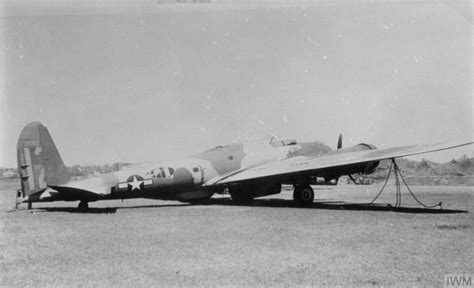
By 1919, the U.S. reverted to the red-centered star-in-circle design, with only slight modifications to the blue background over the next two decades. This persisted until World War II forced a reconsideration. The removal of red in 1942 was not the final change. In June 1943, a new design incorporated white rectangles—or “bars”—on either side of the roundel, eventually outlined in red.
But the red border met immediate opposition from U.S. forces still engaged in the Pacific. Their resistance was based on the same concern: any red coloring might again evoke the Rising Sun, even in peripheral vision. The Pentagon responded swiftly, altering the border color from red to blue by August 1943, a testament to how combat feedback directly shaped emblem policy.
Conclusion: Visual Identity as a Tactical Priority
The decision to redesign U.S. aircraft insignia was more than a branding exercise—it was a strategic necessity driven by operational realities. In the smoke and speed of air combat, seconds mattered, and even the slightest visual confusion could result in catastrophic friendly fire. The red circle, innocuous in peace, became a deadly risk in war. Thus, the evolution of American aircraft markings during World War II underscores how symbolism, national identity, and tactical clarity intersected in one of the most intense military campaigns of the 20th century.