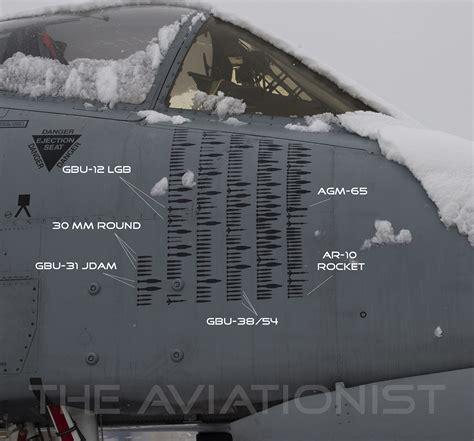
During the height of global conflict and the dawn of strategic airpower, a peculiar but deeply meaningful tradition took shape within military aviation: bomb markings on aircraft fuselages. These modest yet powerful icons painted near cockpits or nose cones are far more than just decorative flair—they are visual testaments to missions flown, enemies neutralized, and triumphs secured. Each tally tells a chapter in a crew’s combat chronicle, immortalizing their achievements not with medals but with brushstrokes.
The concept dates back over a century, with roots in the bloodied skies of World War I. As air combat emerged from its experimental infancy, fighter pilots began to paint symbols onto their aircraft, signaling enemy aircraft shot down. These early kill markings served both as prideful identifiers and psychological weapons, warning adversaries that they faced a proven ace. This practice carried through successive decades, evolving dramatically by World War II, when entire bomber crews began to adopt the tradition.
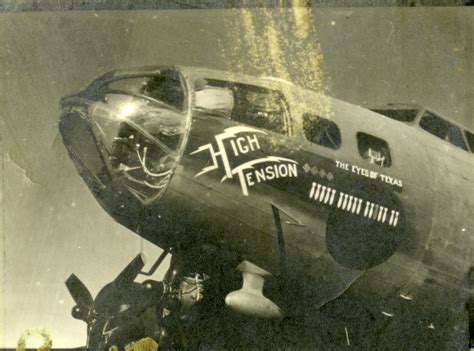
Bomb Markings: Icons of Strategic and Tactical Victory
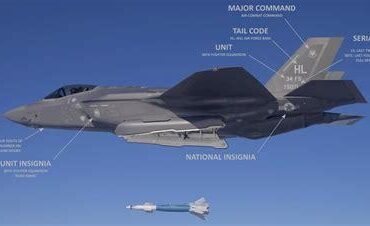
In their most common form, bomb markings represent sorties flown and munitions dropped. Each bomb symbol typically stands for a successful bombing mission, regardless of the exact payload or result. Located primarily on the port side of the aircraft, close to the cockpit or nose, these tallies were both a record and a morale booster, visible to all who approached the plane. In a theater where the distinction between life and death hinged on precision and experience, these icons reminded ground crews and fellow aviators alike of the crew’s capabilities and courage.
The markings were not uniform across aircraft or nations. Instead, customization reigned supreme. A red bomb could denote a mission over a particular front, while a cluster bomb symbol might reference a payload type. Sometimes, illustrations were altered to reflect different operational zones, enemy targets, or noteworthy achievements—such as missions involving new technologies or high-risk insertions. It wasn’t uncommon to see symbols morph into stylized versions that paid homage to specific campaigns, like palm trees for Pacific sorties or snowflakes for arctic runs.
Kill Markings Beyond Bombs: A Broader Language of Destruction
Although bomb icons dominate bomber fuselages, they are only one part of a larger symbolic lexicon. Kill markings could also include:
- Fighter silhouettes, denoting enemy aircraft shot down
- Ship icons, representing vessels sunk by air-launched torpedoes or bombs
- Train symbols, used for strikes on logistical infrastructure
- Missile shapes, especially in modern jet combat, indicating missile intercepts or successful targeting
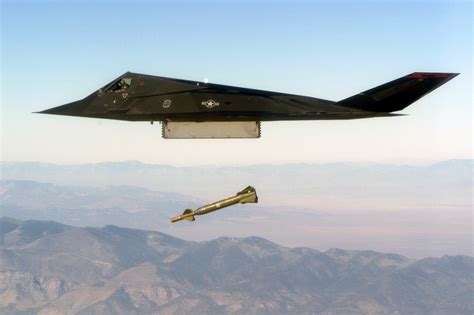
This diverse iconography underscores the multifaceted roles of military aircraft, especially bombers, which weren’t merely strategic strike platforms but also tactical tools used in interdiction and close support roles. For aircraft like the A-10 Thunderbolt II (Warthog), kill marks often reflect armored vehicle kills, while stealth platforms like the F-117 Nighthawk occasionally featured bomb tallies to mark precision strike missions in areas where visual confirmation was possible.
Nose Art and Crew Identity: The Broader Culture of Military Aviation
Kill markings are part of a larger phenomenon known as nose art—the personalization of military aircraft with names, cartoons, and murals. While some nose art was cheeky or risqué, others bore deeply sentimental meanings, often rooted in the identity of the crew. Many airmen formed lasting bonds with their aircraft, seeing them as comrades rather than machines. These markings, whether playful or fierce, functioned as ritualistic tokens, similar to how medieval knights personalized their armor and crests.
During World War II, bomber crews on aircraft such as the B-24 Liberator, Avro Lancaster, and B-17 Flying Fortress were known for extensively decorated noses. Markings of bombs lined the fuselage like campaign ribbons, frequently extending into dozens or even hundreds—each one a mission survived and a target struck.
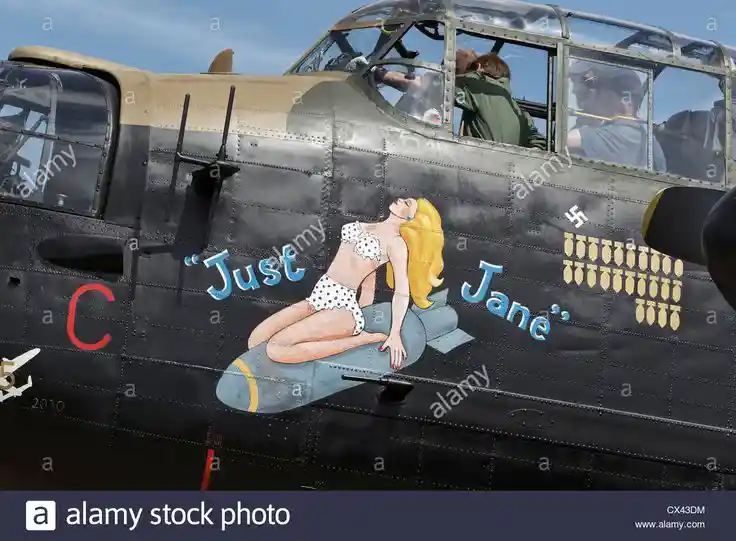
Nose art and kill markings boosted morale, yes, but they also served a practical role: they were informal indicators of crew experience. Commanders could quickly spot which crews were seasoned and which were fresh. New recruits often admired the heavily marked aircraft, drawing both respect and reassurance from the legacy etched onto the skin of the plane.
From Gunfire to Guided Bombs: Evolution of Kill Symbolism in Modern Warfare
As the technology of warfare evolved, so too did the role and nature of these markings. With the dawn of precision-guided munitions and stealth aircraft, the visibility and necessity of external kill markings declined. Yet, in specific operations—particularly those involving direct engagements or notable high-value targets—some squadrons maintain the tradition.
For example, during the 1991 Gulf War, certain F-117 Nighthawk stealth fighters were reported to display bomb tallies representing their sorties over Baghdad. More recently, A-10 Warthogs returning from missions in Iraq and Afghanistan have occasionally worn tank kill markings, acknowledging their close air support role and success in protecting troops.
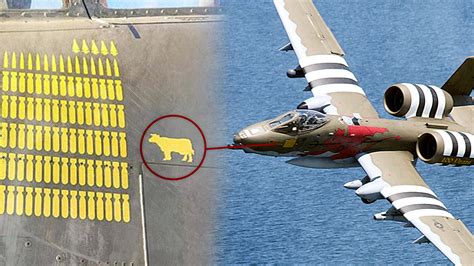
Aircraft are no longer just battle platforms—they are also sensors, command hubs, and launch systems for unmanned payloads. The increasing abstraction of air combat, including beyond-visual-range engagements and AI-supported targeting, means the physical kill is often invisible, and so the tradition of bomb markings has understandably waned. Yet, it survives—like a ghost of chivalric valor clinging to the modern drone age.
Kill Marks at Sea: Naval Vessels and the Shared Tradition
Interestingly, this tradition isn’t exclusive to aviation. Naval warships—particularly during World War II—also adopted the practice of displaying kill silhouettes on their superstructures. Much like their airborne counterparts, these symbols recorded successful sinkings of enemy ships or aircraft. Some American destroyers and submarines earned considerable fame for their extensive kill mark rows, which often included Rising Sun emblems to represent Japanese naval targets.
Today, certain U.S. Navy vessels and submarines still retain this tradition. After missile strikes or successful engagements, temporary kill marks or “scoreboards” are painted on launch hatches or control towers, particularly during high-profile operations.
The Cultural Meaning: Why These Markings Matter
Beyond record-keeping or tradition, kill markings offer something far more profound—they serve as symbols of valor, resilience, and human presence in the cold calculus of aerial warfare. In wars where missions stretch into the dozens and dangers abound, these symbols become a vital shorthand for sacrifice and service.
To the crews who live and sometimes die in these machines, the markings are personal. They are a tally not of destruction, but of endurance. For every bomb dropped, there’s a story—of fear, training, camaraderie, loss, or triumph. That’s why, despite changes in combat doctrine and public sentiment, these markings persist in corners of the modern military. They offer a narrative, in paint, of what it means to fly and fight.
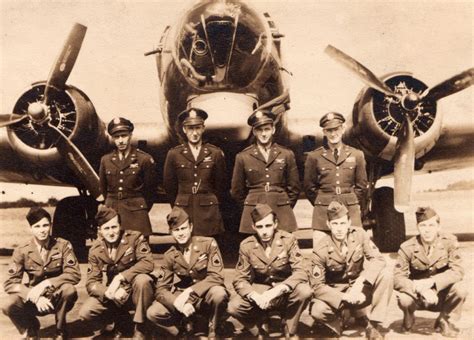
Conclusion: Legacy in Symbols
Today’s aircraft may boast radar-absorbing skins, AI-powered targeting, and global reach—but their lineage is inked in the icons of those who flew before. Bomb markings on military aircraft remain a quiet nod to a noisy past, whispering tales of danger faced and missions fulfilled. Even when invisible to most, their echoes endure in the stories of veterans and the art etched into aviation history.
While fewer aircraft display these symbols openly today, they are far from forgotten. Every pilot, every crew, every squadron that ever adorned their plane with a kill mark contributed not just to victory, but to a living culture of remembrance and pride.
And in an age where warfare is often waged from behind screens, these hand-painted emblems continue to remind us that real people still fly into harm’s way, mission after mission, symbol by symbol.