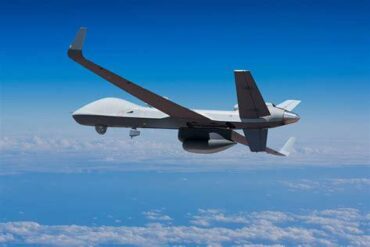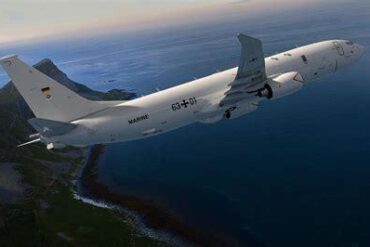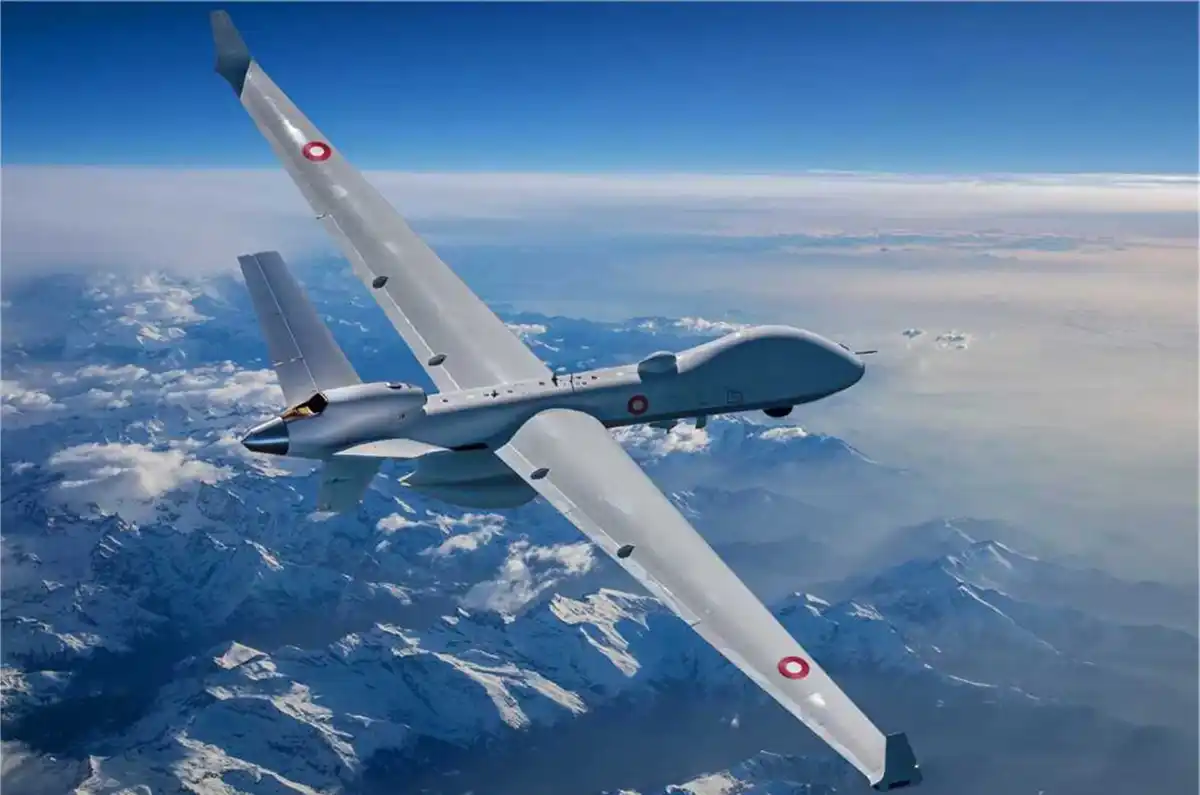
Denmark has taken a decisive step in reshaping its northern defense posture by activating Squadron 729, a dedicated unit of the Royal Danish Air Force tasked with operating the MQ-9B SkyGuardian remotely piloted aircraft from Aalborg Air Station. The move translates strategy into hardware: persistent, high-endurance aerial surveillance designed to keep watch over the Arctic, the North Atlantic, and the Baltic Sea as strategic competition accelerates across the High North. Denmark’s Ministry of Defence framed the decision as a reinforcement of sovereignty enforcement and intelligence collection at a time when maritime approaches, polar airspace, and emerging Arctic routes are drawing renewed military attention.
The decision arrives amid heightened NATO focus on northern security and sustained Russian military activity along the Arctic rim. Denmark’s geography gives it a unique responsibility over Greenland’s vast territory and surrounding waters, a domain so immense that traditional patrol aircraft leave unavoidable gaps. MQ-9B SkyGuardian fills those gaps with persistence. Medium Altitude Long Endurance systems trade speed for presence, remaining on station for up to 24 hours while maintaining continuous sensor coverage across maritime choke points and remote polar expanses. The effect is not dramatic flyovers, but quiet certainty: eyes on water and ice where uncertainty once lingered.
Operationally, Squadron 729 will sit under the Air Transport Wing, integrating unmanned aviation into Denmark’s broader air mobility and surveillance ecosystem. Although flown from ground control stations in northern Denmark, the aircraft will conduct missions thousands of kilometers away via secure satellite links. This distributed model matters in Arctic operations, where basing options are sparse, weather windows are narrow, and the cost of moving crews and aircraft forward is high. Persistent unmanned presence compresses distance into bandwidth, turning Aalborg into a nerve center for polar situational awareness.
The MQ-9B SkyGuardian, built by General Atomics Aeronautical Systems, represents a step-change over earlier Reaper variants through its certified detect-and-avoid capability. This system allows the aircraft to operate safely within civilian-controlled airspace, a practical necessity for European operators transiting busy corridors en route to patrol zones. Structural reinforcement, de-icing, and cold-weather tolerances tailor the platform to North Atlantic and Arctic climates where icing, turbulence, and prolonged darkness can degrade conventional operations. Endurance is paired with sensor reach: maritime surveillance radar for wide-area search, electro-optical and infrared turrets for identification, and vessel-tracking receivers to correlate contacts with shipping data. The aircraft’s value lies in weaving these streams into a coherent, persistent maritime picture.
Denmark’s configuration emphasizes intelligence, surveillance, and reconnaissance rather than strike. The calculus is straightforward. In peacetime competition, information dominance shapes deterrence by revealing patterns of life, identifying anomalous activity, and cueing allied responses without escalating force. The SkyGuardian’s sensors can map traffic flows along Arctic sea routes that are becoming more accessible as seasonal ice recedes, track unknown vessels in the Greenland-Iceland-UK gap, and provide early warning of unusual air or maritime behavior in the Baltic approaches. The effect is less about spectacle and more about stitching continuity into an environment that has long suffered from intermittent visibility.
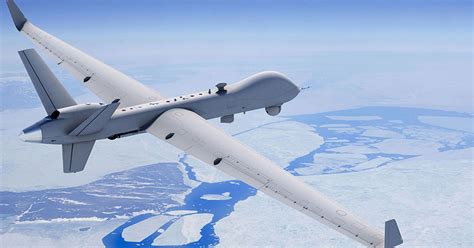
Behind the aircraft sits the human system that makes persistence possible. Squadron 729 is expected to build a cadre of pilots, sensor operators, intelligence analysts, and maintainers trained to run continuous operations. Unmanned aviation does not eliminate human workload; it redistributes it. Crews rotate through long sorties, handing off control mid-mission to maintain vigilance over hours that would exhaust a cockpit crew. The ground control environment mirrors a traditional flight deck in function if not in view, with coordination required across military command chains and civilian air traffic control. Reliability is the unsung hero here: the operational tempo of persistent surveillance depends on maintenance rhythms, spare parts logistics, and data links that hold under polar conditions.
The strategic value extends beyond Denmark’s borders. Persistent ISR coverage of northern sea lanes feeds into NATO’s maritime domain awareness, tightening the allied sensor web across the Atlantic approaches. For partners, Denmark’s drones become additional nodes in a shared picture that supports air policing, naval tasking, and crisis response. For Washington, the procurement deepens transatlantic defense industrial ties while standardizing allied unmanned capabilities. Interoperability is not a slogan here; it is a daily practice of shared data formats, compatible command-and-control systems, and coordinated tasking across national boundaries.
Dual-use applications give the program political ballast. The same sensors that track vessels of interest can monitor fisheries, support search-and-rescue, and provide environmental oversight across Greenland’s remote coastline. In emergencies, the SkyGuardian can deliver rapid situational awareness without exposing crews to polar storms or extended overwater flights. This blend of security and civil utility matters in Arctic governance, where legitimacy is earned not only through deterrence but through stewardship and safety in some of the planet’s most unforgiving terrain.
There is also a quiet logic to scale. Four aircraft will not blanket the Arctic, and Denmark is not pretending otherwise. Persistence comes from smart tasking and networked coverage, not sheer numbers. With careful scheduling, the SkyGuardian fleet can maintain near-continuous presence over priority corridors while cueing manned patrol aircraft or naval units when anomalies appear. The payoff is leverage: small fleets, when embedded in a wider sensor ecosystem, punch above their weight.
Climate change adds a strategic wrinkle. As ice patterns shift, new routes and resource access points emerge, and with them new frictions. Surveillance is the first response to uncertainty, not because it resolves disputes, but because it replaces rumor with evidence. By investing in persistent ISR now, Denmark positions itself to manage the next decade of Arctic change with data rather than guesswork. The drones will not calm the High North by themselves, but they will reduce the fog that so often turns competition into miscalculation.
Squadron 729 signals a broader shift in how small and mid-sized states secure vast domains. Instead of stretching manned fleets thin across enormous spaces, Denmark is banking on endurance, sensors, and networks. The choice is pragmatic and quietly ambitious. In the arithmetic of Arctic security, presence multiplied by time equals influence. With the MQ-9B SkyGuardian on station, Denmark is turning time into a strategic asset across the Arctic, the North Atlantic, and the Baltic Sea.