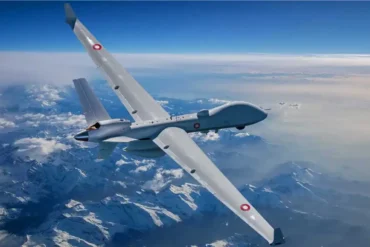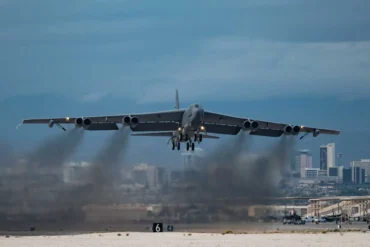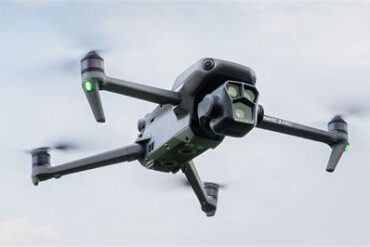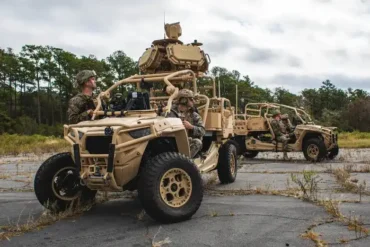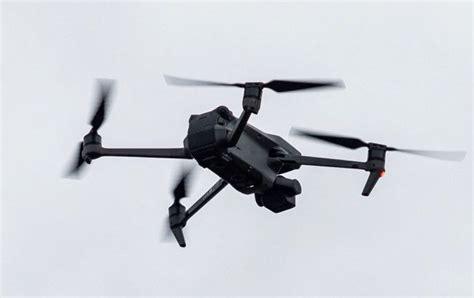
The increasing presence of unidentified drones over U.S. military installations underscores a critical vulnerability in national defense, raising alarms among lawmakers and military officials alike. Despite efforts by the Pentagon to address this emerging threat, the frequency and sophistication of these incursions have exposed significant gaps in detection, response, and mitigation capabilities.
In 2023 alone, there were approximately 350 drone flights recorded over nearly 100 U.S. military bases, according to testimony presented before the U.S. House Oversight and Accountability Subcommittee on Military and Foreign Affairs. Each unauthorized flight represented a potential national security breach, heightening fears about adversarial intelligence collection and reconnaissance missions targeting sensitive military assets.
Virginia Representative Suhas Subramanyam highlighted these concerns during a recent oversight hearing, emphasizing the scale of the problem. “That’s 350 different, potential national security breaches that we know of,” Subramanyam stated, underscoring the cumulative risk posed not only to classified military equipment but also to the lives of personnel stationed at these installations.
The situation reached a critical juncture in December 2023, when a series of drone incursions at Joint Base Langley-Eustis in Virginia occurred over 17 consecutive nights, prompting intense scrutiny. The base, known for housing F-22 Raptor fighter jets, became a symbolic focal point of the vulnerability facing U.S. military infrastructure.
Rear Admiral Paul Spedero, vice director for operations with the Joint Chiefs of Staff, testified that the Langley incursion remains the largest mass drone incursion to date. “The mass drone incursions over Joint Base Langley-Eustis in December 2023 reminded us that the homeland is no longer a sanctuary,” Spedero warned. His remarks highlighted the shift in security paradigms where foreign threats now directly challenge U.S. airspace sovereignty.
Spedero candidly admitted that while efforts have been made to bolster defenses, the military remains only “marginally capable” of defending against these threats. The unsettling implication is that, should adversaries opt to transition from surveillance to weaponized drone attacks, the current defense posture may prove insufficient to avert catastrophe.
Pentagon’s Response Framework and Limitations
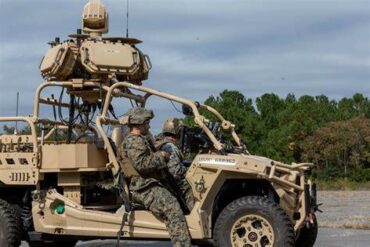
In response to growing concerns, the U.S. Northern Command has established a comprehensive “road map” to guide military installations in countering Unmanned Aircraft Systems (UAS). This includes standardized operating procedures to enhance readiness and ensure consistent responses across various bases.
However, technological disparity continues to challenge these initiatives. Spedero acknowledged a critical imbalance: “In general, the technology to field systems has far outpaced the technology to defeat those systems.” The statement encapsulates a broader dilemma faced by military strategists—while drone technology advances rapidly, counter-drone measures lag in development and deployment.
Chairman William Timmons of South Carolina emphasized during the hearing that these incursions are not the product of mere hobbyist errors. “These are not hobbyists being blown off course,” Timmons asserted. Instead, he described them as a “coordinated effort by our adversaries to collect valuable intelligence and surveillance of some of our most sensitive military equipment.” His remarks underscore suspicions that these operations may be orchestrated by foreign entities seeking to map vulnerabilities or gather actionable intelligence.
The Growing Frequency of Drone Intrusions
When questioned about whether drone incursions have increased since the reported 350 incidents, Spedero refrained from disclosing specifics in a public forum, stating he could provide details in a classified setting. Nevertheless, he confirmed a troubling trend: “But I can tell you, it has grown.”
This admission suggests that drone activities over military bases are not only persisting but escalating, despite measures taken to deter or intercept them. The challenges are compounded by legal and procedural ambiguities surrounding rules of engagement. Mark Ditlevson, acting assistant secretary of defense for homeland defense and hemispheric affairs, acknowledged that the Department of Defense is still working to streamline authority for base commanders, ensuring they understand what actions they can lawfully take against aerial threats.
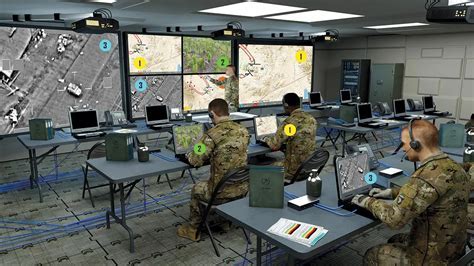
This lack of clarity in response protocols introduces a dangerous hesitation gap in real-time defense scenarios. Until unified, actionable guidelines are fully implemented, base commanders may find themselves constrained or delayed in neutralizing potential threats, heightening the risk of compromised security.
The Strategic Implications for U.S. Defense
The broader implication of these drone incursions extends beyond immediate surveillance concerns. The pattern of repeated, coordinated overflights raises the specter of pre-operational intelligence gathering by adversaries testing the responsiveness, blind spots, and technological limitations of U.S. defenses. Each successful incursion potentially contributes to a growing repository of adversarial knowledge about U.S. base layouts, defense postures, and operational rhythms.
Moreover, the psychological impact on military personnel should not be underestimated. The knowledge that installations are being routinely surveilled by unknown aerial assets can erode confidence in protective measures and foster a sense of vulnerability, both of which may have operational consequences in high-stakes environments.
The Path Forward: Bridging Technology and Policy
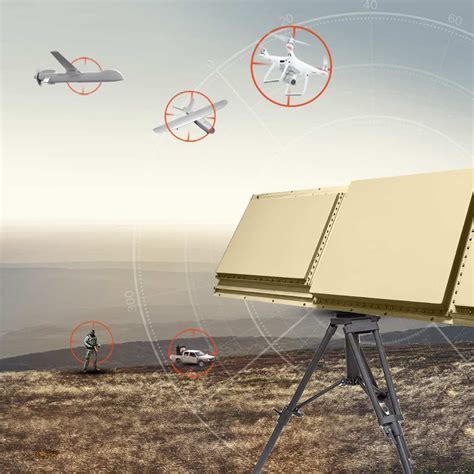
Closing the technological and procedural gaps exposed by these incursions will require a multi-faceted approach. Investment in next-generation counter-UAS technologies, including advanced radar systems, directed energy weapons, and artificial intelligence-driven detection algorithms, must be accelerated to outpace evolving drone capabilities.
Equally critical is the establishment of clear, universally applicable rules of engagement that empower commanders to act decisively without bureaucratic delays. Legislative support may be necessary to reconcile the intersection of military authority and domestic airspace regulations, particularly when bases are situated near civilian populations or critical infrastructure.
The testimony before Congress has laid bare an uncomfortable truth: despite incremental progress, U.S. military bases remain exposed to a growing and adaptive drone threat. Without swift, decisive action integrating technology, policy, and inter-agency coordination, the risk posed by unidentified drones will continue to expand, eroding the traditional security buffer once assumed around domestic military installations.
The incursion at Joint Base Langley-Eustis stands as both a warning and a catalyst for reform. It signals a new era in defense planning where asymmetric aerial threats must be met with equally innovative and adaptable solutions. Only by recognizing the persistent nature of this threat and committing to holistic, forward-leaning strategies can we hope to restore and preserve the integrity of U.S. military airspace.