The emergence of unmanned aerial systems (UAS) — from hobbyist quadcopters to sophisticated military drones — has transformed both offensive and defensive dynamics across global battlefields. As drone technology becomes more accessible, U.S. military bases, traditionally fortified against conventional threats, face a growing challenge: detecting, tracking, and neutralizing this nimble airborne menace. While America’s military installations are technological powerhouses, their capabilities to counter drone incursions remain fragmented and inconsistent.
The Scope of the Threat: An Evolving Drone Landscape
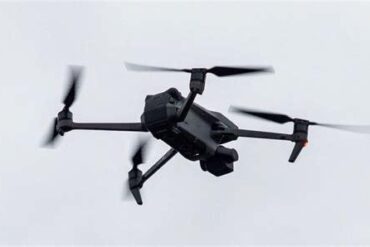
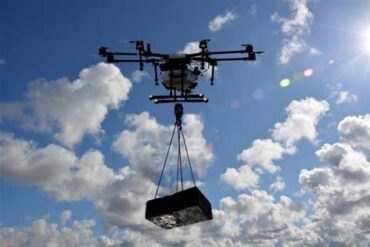
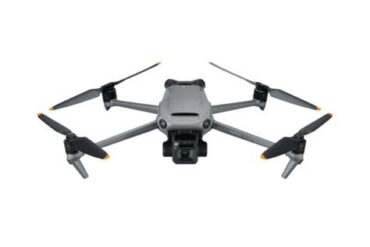
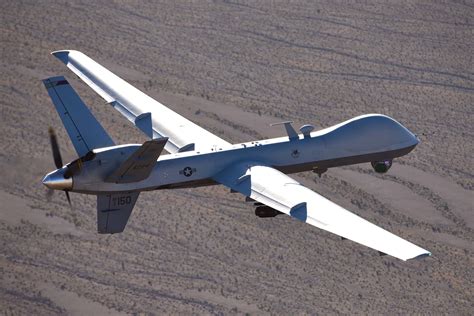
The modern drone ecosystem is diverse and increasingly complex. On one end are commercial drones available at local electronics stores. On the other are high-end military drones like the MQ-9 Reaper, armed with Hellfire missiles and GBU-38 JDAMs, capable of surveillance and lethal strikes. The capability range between these platforms presents a nightmare for military defenses attempting to distinguish malicious threats from harmless recreational flights.
The U.S. military itself operates multiple classes of drones, but this familiarity doesn’t automatically grant bases a tactical edge. As Clayton Swope, Deputy Director at the Center for Strategic and International Studies, warned in late 2024, traditional U.S. air defense systems prioritize tracking ballistic missiles and aircraft, not small, erratically flying drones. Their movements and reduced radar signatures resemble birds more than bombers, rendering conventional detection techniques less reliable.
Radar Limitations and the Detection Dilemma
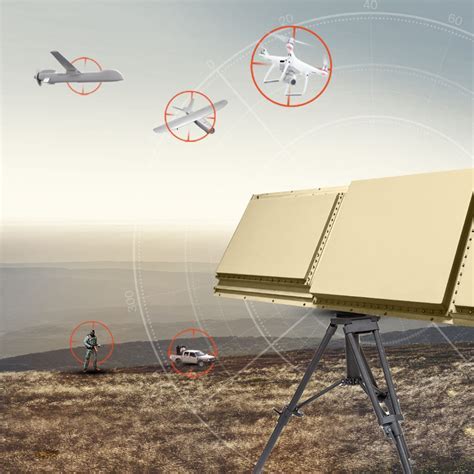
Radar remains the cornerstone of most base perimeter defense systems. However, when it comes to small UAS, standard radar faces severe limitations. Most military-grade radar systems are optimized to detect larger, faster, and higher-flying objects. Small drones flying low and slow can slip through these defenses undetected, particularly in urban environments where noise, clutter, and false positives are abundant.
Even when a drone is detected, determining its intent, payload, and origin becomes an entirely different problem. Unlike manned aircraft, drones don’t file flight plans or emit transponder signals. A drone flying above a base could be an innocent mistake — or a spycraft transmitting encrypted footage to foreign servers.

This uncertainty places considerable strain on base commanders, who must weigh reaction time, safety protocols, and engagement rules. Intercepting a suspected drone with force — especially over populated zones — could have dangerous consequences.
Uneven Protection Across the Global Footprint
According to sociologist David Vine, the U.S. maintains nearly 800 military bases in over 70 countries. These installations range from expansive “Little Americas” with advanced defense systems to small outposts and radar facilities. The disparity in infrastructure, budgets, and threat profiles means that not all bases are equally equipped to face drone threats.
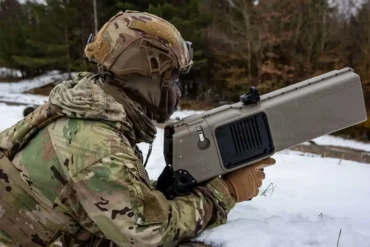
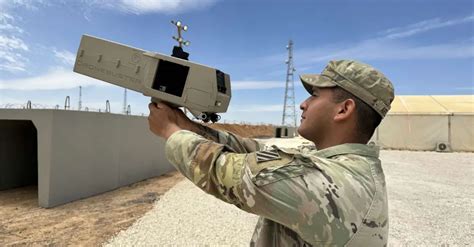
Large bases like Joint Base McGuire-Dix-Lakehurst in New Jersey have begun deploying technologies like the Dronebuster, a system developed by Flex Force Enterprises. Introduced in 2020, the Dronebuster can either be handheld or fixed, designed to jam GPS and radio frequencies that guide enemy drones. Once a drone’s control signal is disrupted, it may return to its source or crash. These systems offer non-kinetic mitigation that avoids collateral damage — a valuable asset in densely populated or sensitive areas.
However, smaller or remote installations may not have access to such technology. Cost, logistical support, and bureaucratic hurdles often slow down the rollout of these systems. Consequently, some installations may rely on outdated detection methods or lack adequate drone defense infrastructure altogether.
Langley Air Force Base Incident: A Wake-Up Call
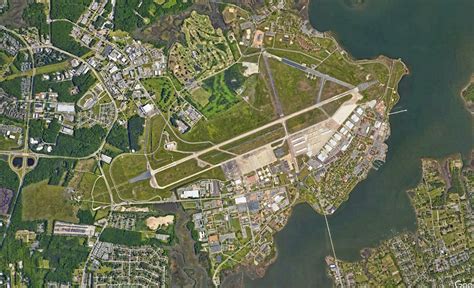
One of the most glaring examples of base vulnerability occurred in 2023 at Langley Air Force Base, Virginia. Over a period of months, multiple drones were spotted over the installation’s airspace. Despite being one of the most secure and technologically advanced Air Force bases, these incursions went undetected long enough to raise serious concerns within defense circles.
An April 2025 Congressional hearing by the Committee on Oversight and Government Reform found that these flyovers revealed a troubling pattern of coordinated adversary efforts. According to Representative William Timmons, the intrusions indicated attempts to gather intelligence on sensitive equipment.
Even unarmed drones, if left unchecked, can photograph classified systems, troop movements, or defensive layouts. The data collected can be used to map vulnerabilities, potentially compromising future military operations. In the modern digital battlefield, intelligence is often more valuable than ordnance.
Countermeasures: What’s Working — And What Isn’t
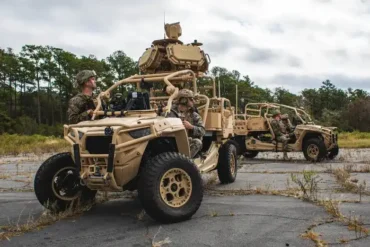
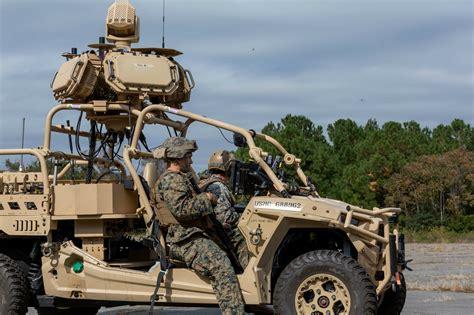
To defend against drones, the military is investing in a multi-layered approach that includes acoustic sensors, radar upgrades, jamming tools, and even kinetic interceptors. One promising battlefield tool is the VAMPIRE (Vehicle-Agnostic Modular Palletized ISR Rocket Equipment), a palletized rocket system designed to fire guided munitions at aerial targets, including drones. While more useful in deployed zones, integrating such systems at high-risk bases is being considered.
Additionally, acoustic detection arrays, which have proven effective in Ukraine against Russian drone swarms, are being trialed at select U.S. installations. These systems detect the unique sound signatures of drone rotors, providing an alternative to radar in environments with high electromagnetic interference.
However, these measures face challenges:
- Latency: There’s a delay between detection and response.
- False alarms: Birds, weather balloons, and civilian drones can trigger alerts.
- Cost and scalability: Not all bases can afford or maintain such systems.
Creative — albeit unconventional — methods have also been used. Some bases deploy nets fired by launchers or other drones, physically capturing rogue drones midair. Others use trained birds of prey, a method more symbolic than scalable.
Why Drone Detection is a National Security Imperative
The increasing accessibility of drone technology means adversaries — whether state actors, terrorist groups, or lone-wolf saboteurs — can utilize drones for espionage, smuggling, or kinetic attacks. The 2019 attack on Saudi oil infrastructure by drones revealed how low-cost systems can cripple billion-dollar facilities.
For U.S. bases, the stakes are even higher. Each facility houses classified technologies, high-value assets, and essential logistics. A well-planned drone incursion could sabotage operations, reveal troop deployments, or even target nuclear materials or warplanes.
Policy and Legislative Action on the Horizon
There is growing consensus that existing policies and detection protocols are no longer sufficient. Several lawmakers and defense officials have pushed for:
- Universal drone detection coverage at all CONUS and OCONUS bases
- Faster acquisition of jamming and neutralization systems
- Revised engagement protocols for drone threats
- Increased coordination with FAA and Homeland Security for drone traffic monitoring
But the path forward demands more than just investment. It requires inter-agency cooperation, rapid technology testing, and tailored responses for each base’s specific needs.
Looking Ahead: A Race Between Innovation and Intrusion
As the Pentagon continues to confront traditional threats in the air, sea, space, and cyber domains, drones represent a fluid hybrid challenge — part spycraft, part strike system. The unpredictable nature of drone use, combined with their widespread availability, ensures that drone defense will remain a high-priority mission for the foreseeable future.
Whether it’s by improving sensor fusion systems, refining radar algorithms, or deploying AI-powered interceptors, U.S. military bases must evolve their drone detection and response capabilities. The era where airspace dominance was assured by altitude and speed alone is over. Today’s threats are smaller, cheaper, and stealthier — and ignoring them could mean the difference between security and sabotage.