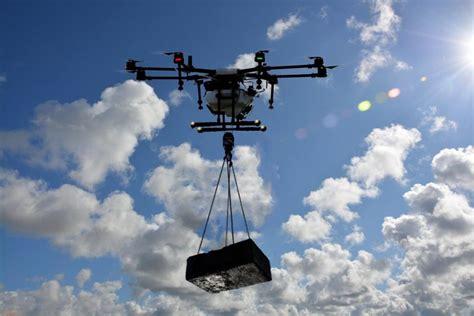
In the rapidly evolving landscape of unmanned aerial vehicles (UAVs), the demand for heavy-lift drones has surged, reshaping industries such as logistics, construction, film production, agriculture, and emergency response. These advanced drones are engineered to carry payloads exceeding 10 pounds, with top-tier models capable of lifting up to 500 pounds, opening up possibilities once restricted to helicopters and cranes. What once began as a niche market has grown into a sophisticated ecosystem of aerial platforms tailored for precision delivery, surveillance, mapping, and aerial cinematography.
The term “heavy-lift drone” encompasses a wide spectrum of designs and capabilities, from nimble multi-rotor copters with intuitive maneuverability to fixed-wing Vertical Take-Off and Landing (VTOL) systems optimized for endurance and long-range missions.
How Much Weight Can a Drone Carry?
Payload capacity is primarily a function of drone design, motor thrust, and battery efficiency. While hobby-grade drones can lift 100 to 500 grams, commercial-grade heavy-lift drones operate in an entirely different league:
- Standard commercial drones: 5–20 kg payloads (11–44 lbs)
- Advanced heavy-lift systems: 50–220+ kg payloads (110–485+ lbs)
- Military-grade UAVs: Often lift >50% of their own weight, optimized for power and flight stability
Increased lift comes at a cost: higher energy consumption, more complex stabilization systems, and greater regulatory scrutiny.
Types of Heavy-Lift Drones
Multi-Rotor Drones (Quadcopters, Hexacopters, Octocopters) remain the most common design due to their hovering capability, mechanical simplicity, and intuitive control. Hexacopters and octocopters offer additional rotor redundancy, which is crucial for missions involving expensive payloads or hazardous terrain.
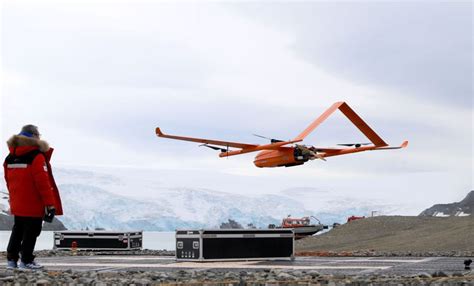
VTOL Fixed-Wing Drones combine the vertical lift of a helicopter with the horizontal speed and endurance of fixed-wing aircraft. These systems are ideal for long-distance delivery, geospatial mapping, and surveillance over remote regions. The extended wingspan supports larger batteries and aerodynamically efficient flight paths.
Key Applications of Heavy-Lift UAVs
The industrial adoption of heavy-lift drones is driven by their versatility and rapid deployment capabilities across high-stakes sectors:
- Infrastructure Inspections: UAVs equipped with LiDAR or infrared sensors can scan pipelines, power lines, and airports without requiring manual access, reducing inspection time and safety risks.
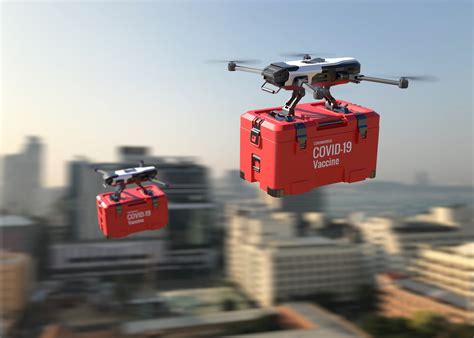
- Cargo Delivery: Drones are now used to transport vaccines, surgical supplies, and mail to underserved or emergency-affected regions.
- Agriculture: Equipped with tanks and precision nozzles, drones disperse fertilizers or pesticides over large areas with minimal waste.
- Disaster Relief: When roads are blocked or flooded, drones provide critical supplies, communication equipment, or portable generators to affected zones.
- Military and Defense: Tactical drones transport resupplies, perform ISR (Intelligence, Surveillance, Reconnaissance), or even deliver autonomous payloads for covert operations.
Core Components That Enable Heavy Lifting
The lifting power of a drone depends on the integration of several precision-engineered components:
- Brushless Motors: These are lighter, more durable, and offer higher torque-to-weight ratios. Advanced heavy-lift drones often use counter-rotating motor pairs to stabilize yaw and improve balance under shifting loads.
- Carbon Fiber Propellers: Extended blade lengths provide improved thrust and lower drag, while carbon construction ensures structural integrity at high RPMs.
- Battery Systems: Modular lithium-polymer (LiPo) or lithium-ion packs are favored for their energy density. Swappable packs ensure quick turnaround during field ops.
- Gimbals and Mounts: 3-axis gimbals are critical for stabilizing camera or sensor payloads, especially in aerial cinematography or geospatial surveying.
Essential Buying Considerations
Selecting the best heavy-lift drone depends on several mission-specific factors:
- Payload Compatibility: Determine if your mission requires a built-in gimbal for cameras, a custom mounting rail for sensors, or cargo hold for delivery.
- Flight Time vs Payload: Heavier payloads reduce airtime. A drone capable of lifting 30 kg might only fly for 15–20 minutes under full load.
- Range and Communication: Consider whether your UAV supports long-range RF, 4G/5G, or satellite links for Beyond Visual Line of Sight (BVLOS) missions.
- Budget: Entry-level models may start at $20,000, while high-end VTOL or passenger-capable drones can exceed $150,000.
Top Heavy-Lift Drones of 2025: Payload Powerhouses
Let’s explore the best models available in the commercial drone market ranked by maximum payload capacity:
| Model | Payload | Type | Flight Time | Range |
|---|---|---|---|---|
| JOUAV PH-20 | 10 kg (22 lb) | Hexacopter | 70 min | 30 km |
| JOUAV CW-30E | 10 kg (22 lb) | VTOL | 600 min | 100–200 km |
| Freefly Alta X | 15 kg (35 lb) | Quadcopter | 20 min | 5 km |
| JOUAV CW-80E | 25 kg (55 lb) | VTOL | 840 min | 100–200 km |
| DJI FlyCart 30 | 30 kg (66 lb) | Quadcopter | 18 min | 28 km |
| Ehang 184 | 100 kg (220 lb) | Octocopter | 23 min | 30 km |
| GRIFF Aviation 300 | 227 kg (500 lb) | Octocopter | 31 min | 15 km |
Standout Models in Detail
JOUAV PH-20 is a rugged hexacopter tailored for industrial use. With a wind resistance rating of Level 8, 70-minute flight time, and compatibility with LiDAR systems, it’s ideal for surveying projects. The IP55 protection ensures resilience against dust and moisture.
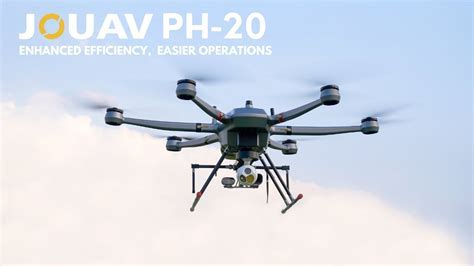
JOUAV CW-30E represents the best of VTOL endurance design. Capable of 600-minute flights and carrying EO/IR gimbals with AI-powered tracking, this platform is optimized for persistent surveillance and geospatial analytics.
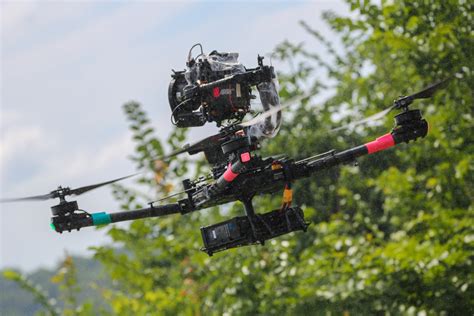
Freefly Alta X is the cinematographer’s dream drone. Supporting Red Epic or ARRI rigs with 35-lb payload capacity and speeds reaching 95 km/h, its 20-minute flights are enough for dynamic, high-altitude filming.
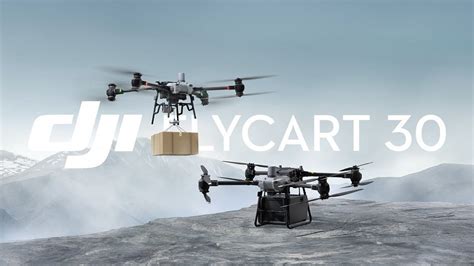
DJI FlyCart 30 integrates dual-radar systems, winch and cargo delivery modes, and intelligent FPV piloting. This makes it perfect for last-mile logistics in congested urban environments.
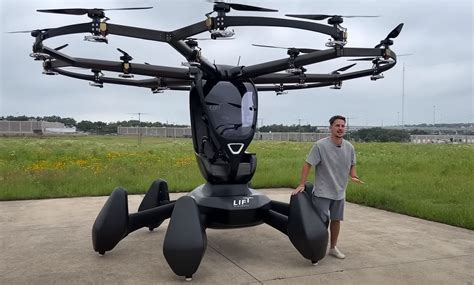
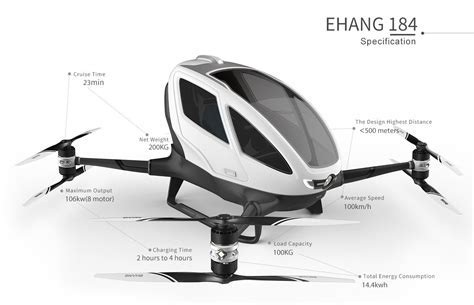
Ehang 184 enters the realm of aerial personal transport. It’s a fully autonomous drone powered by 4G/5G connectivity, supporting a passenger or cargo load up to 100 kg. It’s pioneering short-distance autonomous air travel.
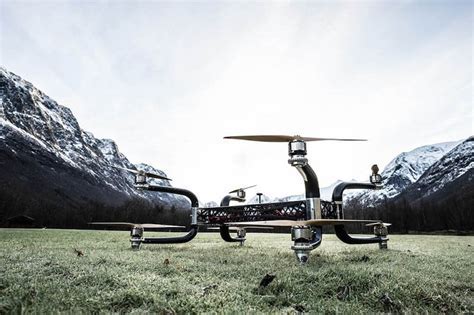
GRIFF Aviation 300, with its massive 227 kg payload capacity, is used for transporting tools, generators, and even rescue equipment to rugged or mountainous terrain. The waterproof frame, 8-prop configuration, and modular batteries make it a frontline asset in Arctic and offshore operations.
Frequently Asked Questions (FAQ)
What is the average cost of a heavy-lift drone?
Most high-end models cost over $48,000, primarily due to powerful motors, high-capacity batteries, and advanced stabilization systems.
Can heavy-lift drones carry a person?
Yes. Drones like Ehang 184 and GRIFF Aviation 300 are capable of carrying a human passenger, thanks to advanced LiPo batteries and brushless propulsion systems.
Is a license required to operate a heavy-lift drone?
In most jurisdictions, including the U.S., FAA Part 107 certification is required to operate any drone over 250 grams for commercial purposes.
What’s the maximum range of these drones?
- Passenger and cargo drones: 500–1800 km (dependent on hybrid power systems)
- Surveillance drones: 10–150 km
- Mapping drones: 4–8 km (higher resolution demands proximity)
Conclusion: A New Era in Aerial Payload Transport
Heavy-lift drones are no longer experimental novelties—they are now mission-critical systems transforming how industries operate in both urban and remote environments. As technology advances, we will continue to see longer flight times, increased automation, and greater lifting capabilities. Whether used to deliver medical supplies, inspect critical infrastructure, or carry cinema rigs through the sky, these mechanical beasts are pushing the boundaries of what’s possible in unmanned aviation.
![Big Drones & Heavy Lift Drones: A Comprehensive Guide for Drone Pilots [New for 2025]](https://boltflight.com/wp-content/uploads/2025/05/big-drones-heavy-lift-drones-comprehensive-guide-drone-pilots-new-2025-370x247.jpg "Big Drones & Heavy Lift Drones: A Comprehensive Guide for Drone Pilots [New for 2025]")