Helicopters remain critical across diverse sectors in 2025—from battlefield logistics and emergency rescue to construction and offshore operations. But within this vast ecosystem, heavy lift helicopters are the true titans of rotorcraft engineering. These airborne powerhouses are engineered to haul enormous payloads, operate in the harshest environments, and perform missions where ground transport would fail. Below, we explore the top 10 heavy lift helicopters for 2025, analyzing their capacity, design innovation, and mission versatility in intricate detail.
Mil Mi-26: The Heavyweight Champion of the Skies
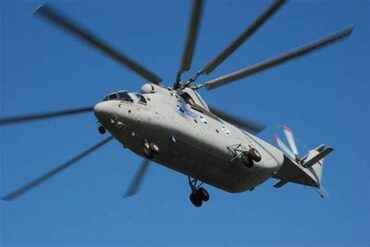
The Mil Mi-26 remains in a class of its own. Developed by the Mil Moscow Helicopter Plant, this Russian-made colossus is the world’s largest and most powerful production helicopter. Its impressive lifting capacity of 20,000 kg (44,000 lb) and maximum takeoff weight of 56,000 kg (123,000 lb) make it the top-tier aircraft for transporting large military hardware, including armored vehicles and even aircraft components.

Equipped with eight-blade main rotors and twin D-136 turboshaft engines, the Mi-26 offers unparalleled flight stability and performance in extreme climates—from frozen Siberia to arid Middle Eastern deserts. It continues to play pivotal roles in humanitarian operations, disaster relief, and infrastructure projects in regions where fixed-wing aircraft cannot land.
Sikorsky CH-53K King Stallion: The Modern Muscle Machine
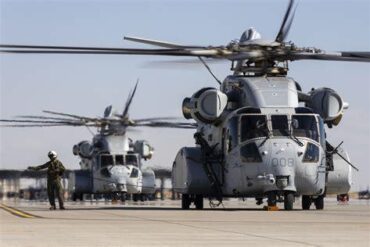
Representing the next generation of military logistics, the Sikorsky CH-53K King Stallion is now in full-rate production and actively entering U.S. Marine Corps service. This aircraft can externally lift 16,329 kg (36,000 lb) and operate efficiently in high-altitude, high-temperature conditions—a game-changer in expeditionary and disaster response missions.
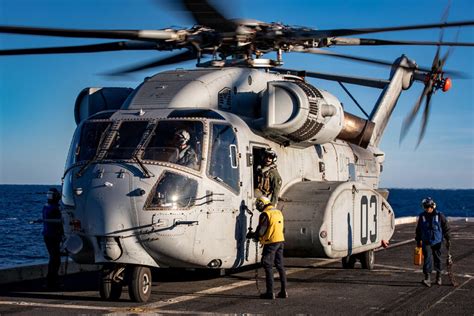
Three General Electric T408-GE-400 engines power its robust fuselage and enlarged cabin, allowing internal transport of light tactical vehicles. With a maximum takeoff weight of 38,600 kg (85,000 lb), the King Stallion excels in redundancy, avionics, and fuel efficiency. Its wide range and digital fly-by-wire system mark it as the future-proof choice in U.S. and allied heavy airlift.
Mil Mi-10: Soviet Aerial Crane Pioneer
Though long retired, the Mil Mi-10—nicknamed the “flying crane”—still earns respect as a trailblazer in aerial construction. Its distinctive long-legged landing gear enabled it to carry oversized cargo, such as radar installations or prefabricated structures, in remote oil fields and military zones.
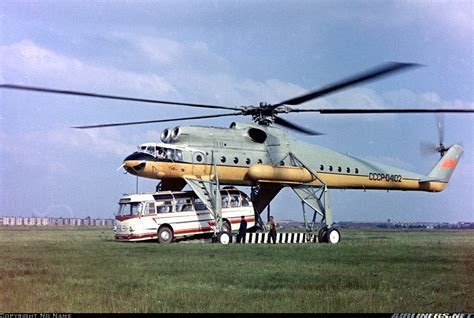
With an external lift capacity of 12,000 kg (26,460 lb) and maximum takeoff weight of 28,200 kg (62,170 lb), the Mi-10 introduced functionality that would inspire modern aerial crane helicopters. It was particularly noted for minimizing ground crew reliance and speeding up critical deployment timelines.
Boeing CH-47F Chinook: Legendary Dual-Rotor Versatility
The CH-47F Chinook, with its tandem-rotor configuration, remains indispensable in both military and civilian heavy-lift missions. Capable of lifting 9,000 kg (20,000 lb) externally and boasting a takeoff weight of 22,680 kg (50,000 lb), it is optimized for transporting troops, vehicles, artillery, and humanitarian aid.
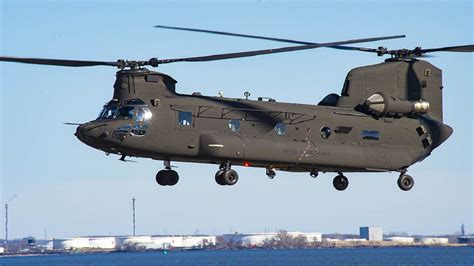
It thrives in versatility—from combat extractions and supply drops to firefighting and earthquake relief. Ongoing avionics and survivability upgrades ensure it remains combat-ready and efficient. Used by over 20 nations, the Chinook’s long history is a testament to design resilience and mission flexibility.
Kamov Ka-32: Compact, Coaxial Precision Power
The Kamov Ka-32, with its signature coaxial rotor system, is a top choice for missions requiring tight maneuverability and hover precision. Extensively used in firefighting, logging, and urban construction, its lack of a tail rotor reduces its footprint and boosts control stability.
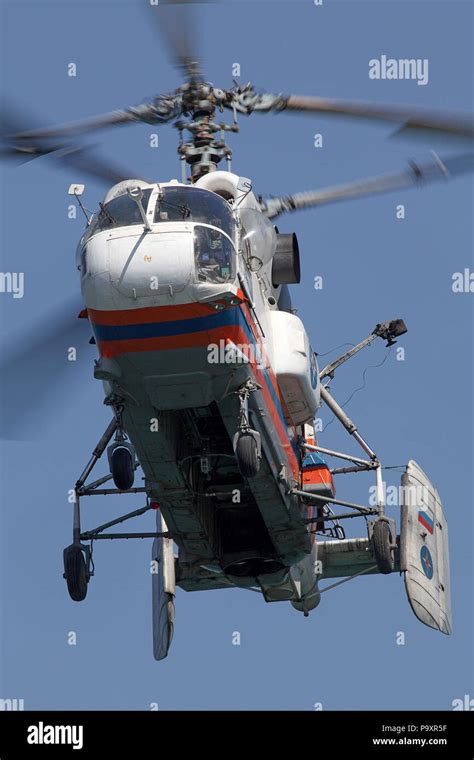
With a lifting capability of 7,000 kg (15,400 lb) and takeoff weight of 11,000 kg (24,250 lb), the Ka-32 thrives in congested environments where larger aircraft would struggle. Its reliability in European and Asian operations, particularly in mountainous terrain, makes it a trusted workhorse in complex rescue and construction projects.
Sikorsky S-64 Skycrane: Modular Utility in Action
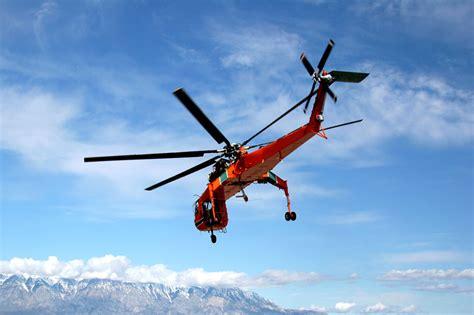
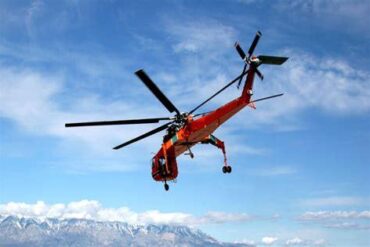
Few helicopters are as recognizable as the Sikorsky S-64 Skycrane. Stripped to its essential airframe, this aerial workhorse specializes in modular, precision lifting. Its open-body design allows the transport of prefabricated structures, HVAC units, and even entire bridge segments.
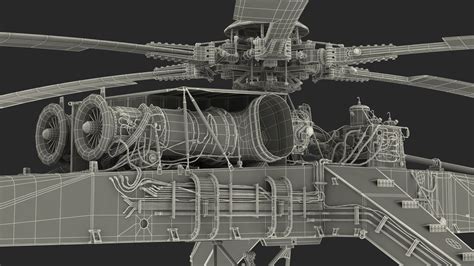
Managed by Erickson Inc., the S-64 supports wildfire suppression, urban infrastructure projects, and remote cargo delivery. With an external lift capacity of 9,071 kg (20,000 lb) and takeoff weight of 21,772 kg (48,000 lb), it’s a favorite among logistics teams requiring fast, accurate aerial placement.
Mil Mi-6: Cold War Engineering Legend
The retired Mil Mi-6 set milestones as one of the earliest heavy-lift helicopters powered by turbine engines, introducing unprecedented range and altitude for Soviet missions. Despite its vintage, its 12,000 kg (26,460 lb) lift capacity still rivals many modern models.

With a massive maximum takeoff weight of 42,000 kg (92,594 lb), the Mi-6 was essential in building infrastructure across the USSR’s farthest reaches—from Arctic weather stations to military airfields. Its legacy continues in the design DNA of modern Russian rotorcraft.
Airbus AS332 Super Puma: Offshore and Medevac Reliability
The AS332 Super Puma, developed by Airbus Helicopters, is a medium-lift marvel especially suited for offshore oil transport, medevac, and search and rescue (SAR) operations. Its updated avionics, crash-absorbing seating, and autopilot systems make it one of the safest in class.
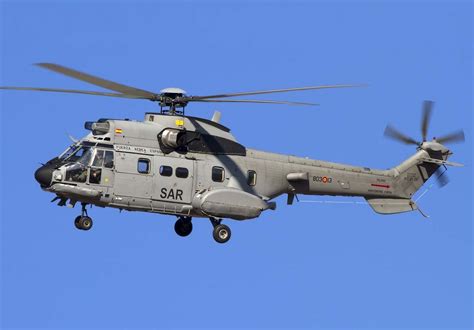
With an external lift capacity of 4,800 kg (10,582 lb) and a takeoff weight of 9,800 kg (21,605 lb), the Super Puma delivers both endurance and agility. It continues to see wide deployment in maritime operations and government emergency services across the globe.
Boeing Vertol 234 Chinook: Civilian Titan with Military Roots
The Vertol 234 Chinook is the civilian counterpart of the military CH-47, boasting identical rotorcraft engineering and payload capabilities. Used in logging, construction, and cargo flights in remote regions, it’s especially prevalent in Canada and Alaska.
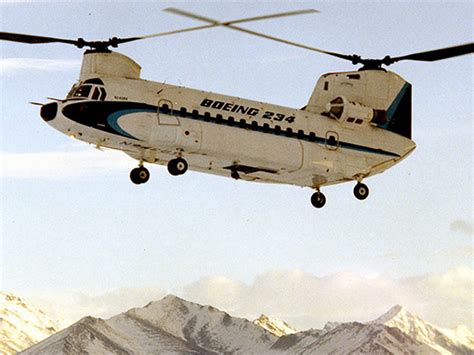
It can externally lift 11,340 kg (25,000 lb) with a takeoff weight of 31,750 kg (70,000 lb), maintaining stability even in turbulent weather. Its dual rotor setup allows operation in confined valleys and mountainous terrain, making it indispensable for isolated supply chains.
Sikorsky S-92: The Offshore Executive Workhorse
The Sikorsky S-92 combines heavy lift performance with premium comfort and safety. Frequently seen in offshore gas and oil operations, it’s also favored for VIP transport and search-and-rescue missions in demanding environments.
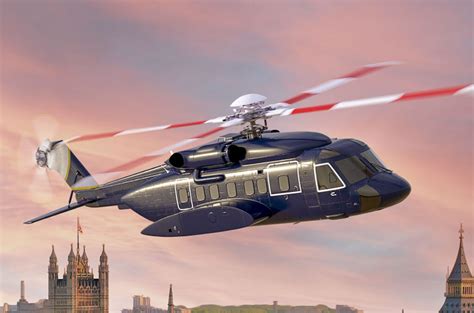
Its redundant systems and quiet ride elevate it above typical utility helicopters. Capable of lifting 4,500 kg (9,920 lb) externally, with a takeoff weight of 12,500 kg (27,557 lb), the S-92 offers a versatile solution where efficiency and luxury intersect.
What Sets These Helicopters Apart in 2025
Each of these aircraft showcases a distinct combination of lifting strength, mission adaptability, and design resilience. From the brute power of the Mi-26 to the sophisticated engineering of the CH-53K, these helicopters push boundaries in both military and civilian domains.
Advanced materials like carbon composites, smart avionics, reduced-emission engines, and modular mission systems now define the future of aerial heavy-lift operations. The current trend is toward hybrid-electric propulsion and autonomous logistics, promising greater fuel efficiency and safety.
Looking Ahead: The Evolution of Heavy Lift Aviation
As aerospace innovation accelerates, heavy lift helicopters continue evolving to meet the demands of climate response, rapid logistics, and strategic defense. Aircraft like the King Stallion are setting new benchmarks, while legacy platforms like the Chinook adapt through rigorous modernization programs.
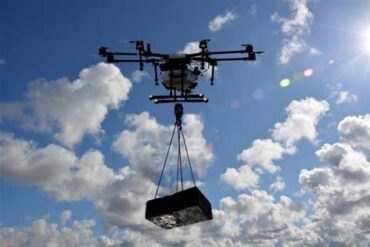
Emerging technologies like AI-assisted flight control, autonomous cargo drones, and green propulsion systems are shaping the helicopters of tomorrow. These powerhouses will remain essential to modern civilization, from skyscraper assembly to Arctic expedition support.


![Big Drones & Heavy Lift Drones: A Comprehensive Guide for Drone Pilots [New for 2025]](https://boltflight.com/wp-content/uploads/2025/05/big-drones-heavy-lift-drones-comprehensive-guide-drone-pilots-new-2025-370x247.jpg "Big Drones & Heavy Lift Drones: A Comprehensive Guide for Drone Pilots [New for 2025]")