![Big Drones & Heavy Lift Drones: A Comprehensive Guide for Drone Pilots [New for 2025]](https://boltflight.com/wp-content/uploads/2025/05/big-drones-heavy-lift-drones-comprehensive-guide-drone-pilots-new-2025.jpg)
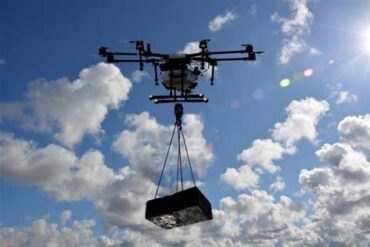
The skies are no longer the exclusive domain of passenger jets and recreational quadcopters. A new class of aerial workhorse is rapidly emerging, transforming industries and redefining what’s possible with unmanned aerial vehicle (UAV) technology. These are the heavy lift drones—often referred to as big drones or large drones—powerfully engineered aircraft specifically designed to carry substantial payloads, far exceeding the capabilities of their smaller, consumer-grade counterparts. Unlike the drones commonly associated with hobbyist photography or light videography, heavy lift drones are purpose-built for the demanding rigors of industrial and commercial applications. Their architecture boasts incredibly tough airframes, high-torque motors, and sophisticated advanced stabilization systems, all working in concert to ensure smooth, precise, and reliable operation, even when faced with rugged terrain or challenging environmental conditions. A typical heavy lift drone is engineered to transport loads that can range from several pounds, for specialized sensor packages, up to hundreds, and in some cases, even thousands of pounds for serious industrial tasks. These formidable machines are already making a significant impact across a diverse array of sectors, from efficiently hauling construction materials on complex job sites and delivering critical medical supplies to remote or disaster-stricken areas, to conducting large-scale agricultural tasks with unprecedented precision and efficiency.
This comprehensive guide will immerse you in the rapidly evolving world of heavy lift drones. We will explore the leading models dominating the market, delve into the primary ways these powerful UAVs are being deployed across various industries, examine the crucial factors to consider when selecting a heavy lift drone, and look ahead to the exciting future developments in this dynamic field. Whether you are a seasoned drone pilot looking to expand your operational capabilities, an industry professional seeking innovative solutions, or simply curious about the cutting edge of drone technology, this guide will provide valuable insights into the power and potential of big drones.
Heavy lift drones represent a significant leap forward in UAV technology, bridging the gap between traditional aviation and smaller unmanned systems. Their development has been spurred by the increasing demand for aerial solutions that can handle more than just data capture; industries require platforms that can physically interact with the environment by moving significant weight. This capability opens up a plethora of applications that were previously impractical or prohibitively expensive using conventional methods like helicopters or ground-based cranes. The engineering behind these drones is a marvel of modern aerospace design, focusing on maximizing lift capacity, endurance, and operational safety. From the choice of materials for the airframe to the design of the propulsion systems and the sophistication of the flight control algorithms, every aspect is optimized for performance under load. As regulatory frameworks adapt and technology continues to advance, the role of heavy lift drones is set to expand even further, solidifying their position as indispensable tools for the future of work.
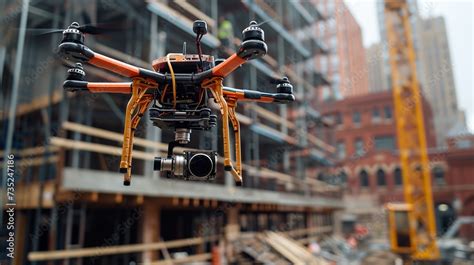
Top Heavy Lift Drones on the Market for 2025
The market for heavy lift drones is vibrant and competitive, with manufacturers constantly pushing the boundaries of payload capacity, flight time, and operational versatility. This section highlights four of the most prominent and capable big drones available, each excelling in specific application areas. Understanding their unique strengths and specifications is crucial for any pilot or organization considering an investment in this advanced technology.
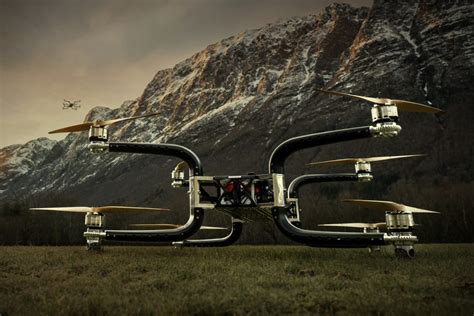
1. Griff Aviation 300: The Industrial Behemoth
The Griff Aviation 300 stands as a true powerhouse in the heavy lift drone arena, meticulously engineered for the most demanding industrial-grade lifting operations and challenging applications. Its exceptionally robust construction and array of advanced capabilities make it a preferred choice for professionals who require nothing less than extraordinary payload capacity and unwavering reliability. This drone is not merely an upscaled version of smaller UAVs; it is a fundamentally different class of machine, designed from the ground up to handle extreme loads in harsh environments. Its presence signifies a serious commitment to heavy-duty aerial work, often replacing or augmenting traditional lifting equipment in scenarios where access is difficult or speed is paramount.
Top Use Cases:
- Heavy industrial lifting: Transporting components, tools, and materials in manufacturing plants, shipyards, and large-scale assembly operations.
- Construction material transport: Delivering concrete, steel elements, and other building supplies to high-rise buildings or remote construction sites.
- Disaster relief operations: Moving large quantities of emergency supplies, temporary shelters, and essential equipment into affected zones.
- Search and rescue missions: Deploying heavy sensor packages, communication relays, or even direct extraction equipment in challenging terrains.
Key Specifications:
- Flight time: Approximately 45 minutes, a significant duration considering its lift capability.
- Payload capacity: A staggering 500 pounds (227 kg), placing it at the apex of commercial heavy lift drones.
- Weight: Approximately 145 pounds (65.7 kg) without payload.
- Price range: $250,000+ reflecting its specialized design and immense capabilities.
2. DJI FlyCart 30: Logistics and Delivery Specialist
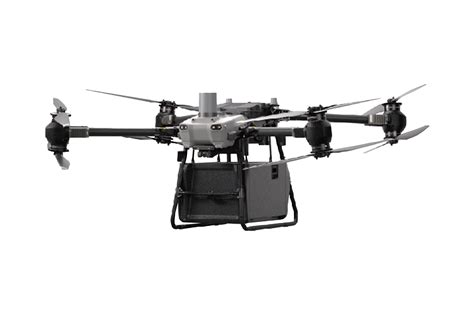
The DJI FlyCart 30 emerges as a highly versatile and increasingly popular heavy lift drone, specifically tailored for commercial logistics and delivery applications. Renowned for its impressive payload capacity relative to its size and its dependable performance, the FlyCart 30 is rapidly becoming a go-to solution for businesses looking to optimize the transportation of goods over short to medium distances. DJI has leveraged its extensive experience in drone technology to create a platform that balances power, efficiency, and user-friendliness, making advanced aerial delivery more accessible. It features a dual-battery system for safety and extended operation, along with options for cargo mode or winch mode, enhancing its adaptability to various delivery scenarios.
Top Use Cases:
- Last-mile delivery: Efficiently transporting packages from local hubs directly to consumers, especially in areas with traffic congestion or limited road access.
- Supply transport in remote areas: Delivering essential goods, spare parts, or medical supplies to mining sites, offshore platforms, or isolated communities.
- Logistics for disaster relief: Quickly deploying smaller, critical packages like medicine or communication devices in the immediate aftermath of a disaster.
Key Specifications:
- Flight time: Up to 18 minutes with maximum payload (66 lbs), extendable with lighter loads.
- Payload capacity: A significant 66 pounds (30 kg) in dual battery mode, or 88 pounds (40 kg) in single battery mode for shorter hops.
- Max speed: A swift 40 mph (65 km/h), enabling rapid transit of goods.
- Price range: Approximately $16,590, offering a competitive entry point for serious aerial logistics.
3. JOUAV CW-80E: The Long-Range Cargo Hauler
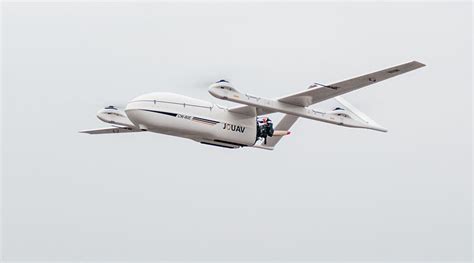
The JOUAV CW-80E is a professional-grade heavy lift drone distinguished by its suitability for long-range missions and demanding payloads. Its innovative hybrid Vertical Take-Off and Landing (VTOL) design is a key feature, combining the convenience of multi-rotor takeoff and landing with the efficiency of fixed-wing flight for extended endurance. This unique configuration allows the CW-80E to operate in areas with limited runway space while still covering vast distances, offering unmatched versatility across various industries that require both significant payload and extensive operational reach. Its sophisticated avionics and robust airframe are built to withstand prolonged missions in diverse weather conditions.
Top Use Cases:
- Pipeline inspection: Carrying advanced sensor arrays over hundreds of miles of pipeline infrastructure to detect leaks or anomalies.
- Long-range cargo delivery: Transporting high-value or time-sensitive cargo between distant locations, bypassing geographical barriers.
- Environmental monitoring: Conducting extensive aerial surveys for wildlife census, vegetation analysis, or pollution tracking over large territories.
- Infrastructure inspection: Assessing the condition of power lines, railways, and other linear infrastructure spread across wide areas.
Key Specifications:
- Flight time: An exceptional up to 8 hours, facilitated by its hybrid VTOL fixed-wing design.
- Payload capacity: A substantial 110 pounds (50 kg), capable of carrying sophisticated sensor suites or significant cargo.
- Range: Over 300 miles (480 km), making it ideal for beyond-visual-line-of-sight (BVLOS) operations.
- Price range: $150,000+, reflecting its advanced hybrid technology and long-endurance capabilities.
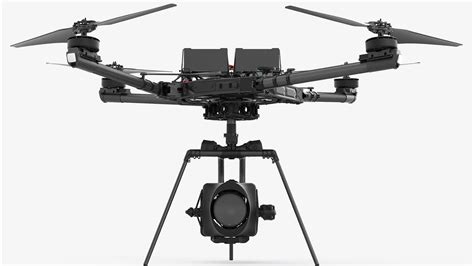
4. Freefly Alta X: Cinematography and Mapping Excellence
The Freefly Alta X is a highly customizable and adaptable drone that masterfully balances substantial heavy lift capabilities with remarkable flexibility and flight performance. It has carved out a significant niche among professional cinematographers and surveyors who demand a reliable, efficient, and highly maneuverable platform for their high-value equipment. The Alta X is celebrated for its smooth flight characteristics, rapid deployment, and ability to integrate a wide array of cameras and sensors, thanks to its open architecture and versatile mounting options. Its design prioritizes ease of use and transportability despite its impressive lift capacity, making it a favorite for field operations.
Top Use Cases:
- High-end cinematography: Carrying professional cinema cameras like RED or ARRI, along with gimbals and lens control systems, for feature films, commercials, and documentaries.
- Aerial surveying and mapping: Deploying LiDAR scanners, multispectral cameras, or photogrammetry setups for detailed topographic mapping and site surveys.
- Carrying specialized sensors and cameras: Supporting unique research payloads, atmospheric sensors, or custom inspection equipment for various scientific and industrial tasks.
Key Specifications:
- Flight time: Approximately 20 minutes with a typical cinematic payload, variable with load and battery configuration (up to 50 minutes with no payload).
- Payload capacity: Up to 35 pounds (16 kg), sufficient for most professional camera and sensor packages.
- Weight: 19.6 pounds (8.9 kg) without payload or batteries, emphasizing its efficient design.
- Price range: $15,000–$20,000 for the base airframe, with full setups costing more depending on payload and accessories.
Common Concerns About Heavy Lift Drones
Operating in the realm of large drones introduces a unique set of considerations and, understandably, concerns that differ significantly from those associated with smaller UAVs. This distinct universe of drone operations demands careful attention to financial investment, regulatory compliance, safety protocols, and liability management. Addressing these common questions proactively is essential for any individual or organization looking to integrate heavy lift drones into their workflows.
1. Are Heavy Lift Drones Prohibitively Expensive?
Yes, generally speaking, heavy lift drones represent a significant financial investment. Prices can span a wide spectrum, from around $10,000 for models that might be considered consumer-grade within the heavy lift category (though still far exceeding standard consumer drone prices) to well over $100,000, and even upwards of $250,000, for advanced industrial drones like the Griff Aviation 300. The final cost is influenced by a confluence of factors, including the maximum payload capacity, achievable flight range and endurance, the sophistication of integrated technology (such as high-resolution cameras, LiDAR sensors, thermal imagers), and the level of autonomous navigation systems embedded within the platform. While the initial capital outlay may appear substantial, many businesses are discovering that heavy lift drones can deliver a compelling return on investment (ROI). This is achieved through significant reductions in labor costs (e.g., requiring fewer personnel for tasks like material transport or inspections), enhanced operational efficiency (completing jobs faster and with greater precision), and improved safety by removing human workers from hazardous environments. The key is to conduct a thorough cost-benefit analysis specific to the intended applications.
2. Do Big Drones Have Their Own Stringent Regulations?
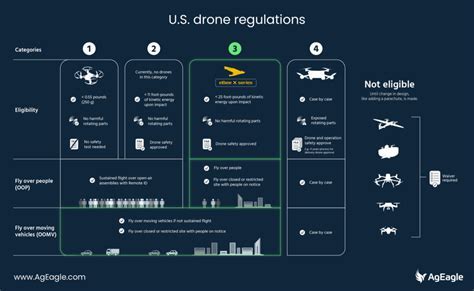
Operating heavy lift drones, particularly in urbanized or industrially sensitive environments, invariably comes with complex regulatory challenges. Aviation authorities worldwide, including the Federal Aviation Administration (FAA) in the United States, often mandate special permits and stricter operational protocols for large drones due to their increased size, weight, and potential safety risks compared to smaller UAVs. In the U.S., a critical threshold is 55 pounds (25 kg). Drones weighing more than this cannot be operated under the standard Part 107 rules, which govern most commercial small drone operations. Instead, operators must navigate a more demanding regulatory pathway, which typically includes:
- Registration: Drones weighing 55 pounds or more must be registered through the FAA’s paper-based registration process, a more involved procedure than the streamlined online system used for lighter drones.
- Exemption or Special Airworthiness Certificate: Operators face a crucial choice: they must either apply for an exemption under Section 44807 (which superseded the older Section 333 exemption process) or obtain a Special Airworthiness Certificate in the experimental category. Both routes involve detailed applications and FAA scrutiny.
- Pilot Requirements: Pilots intending to operate drones exceeding 55 lbs must typically hold a standard remote pilot certificate (Part 107) and, critically, a 3rd class medical certificate, a requirement not imposed on pilots of smaller drones.
- Operational Limitations: These heavier drones are explicitly excluded from the standard operational envelope of Part 107, which generally permits flights below 400 feet AGL, within visual line-of-sight (VLOS), and in Class G (uncontrolled) airspace without specific air traffic control authorization. Operations with heavy lift drones often require specific waivers or operate under conditions stipulated in their exemption.
- Exemption Duration: If an exemption for operating drones over 55 lbs is granted, it typically remains valid for 24 months, after which renewal is necessary.
- Specific Use Cases: Certain applications, such as agricultural spraying with heavy drones, may fall under additional, specialized regulations like Part 137 for agricultural aircraft operations, adding another layer of compliance.
Navigating this regulatory landscape requires diligence and often expert consultation to ensure full compliance and safe operation.
3. What Are the Unique Safety Considerations for Large Drones?
Safety is an paramount concern when flying any drone, but it takes on an even greater significance with large, heavy lift drones, especially when operations occur in densely populated urban areas, near critical infrastructure, or over active work sites. The sheer mass and kinetic energy of these aircraft mean that any incident could have far more severe consequences. Consequently, rigorous pre-flight checks are absolutely mandatory, ensuring that all mechanical components, flight systems, power sources, and payload attachments are functioning correctly and securely. Operators must also meticulously account for environmental conditions, including wind speed and direction (which can disproportionately affect larger airframes), ambient temperature, precipitation, and visibility, all of which can significantly impact drone performance and safety margins. To bolster operational safety, many manufacturers are increasingly equipping their large drones with advanced safety features such as redundant propulsion systems (e.g., hexacopters or octocopters that can maintain flight if one motor fails), real-time sense-and-avoid systems using LiDAR or vision sensors, and automated emergency landing protocols or parachute recovery systems. Beyond technological safeguards, investing in comprehensive, type-specific training for operators and maintaining a robust standard operating procedure (SOP) manual are critical components of a proactive safety culture. Having a comprehensive insurance policy in place, as discussed next, further helps mitigate the potential fallout from unforeseen incidents.
4. Are There Special Insurance and Liability Considerations?
Given their substantial size, high intrinsic value, and the nature of the work they perform, heavy lift drones typically necessitate comprehensive and specialized insurance coverage. Standard drone insurance policies designed for smaller UAVs may not offer adequate protection. Policies for heavy lift drones should, at a minimum, include robust liability insurance to protect against damages caused to third parties (e.g., property damage or bodily injury) and hull insurance (or physical damage coverage) to cover damage to or loss of the drone itself, which can represent a considerable asset. For businesses integrating these large drones into their operations, securing the right insurance is not merely a prudent safety measure but often a contractual or regulatory requirement. Adequate insurance ensures business continuity and financial protection in the event of accidents, and clients will often require proof of sufficient coverage before engaging services involving heavy lift drones. The limits of liability required will often be significantly higher than for smaller drones, reflecting the increased risk potential.
Heavy Lift Drones vs. Regular Consumer Drones: Understanding the Divide
Heavy lift drones are fundamentally different beasts compared to the standard consumer drones that many are familiar with, and these distinctions make them uniquely suited for specific, demanding types of work. While both fly, their design philosophies, capabilities, and intended applications diverge significantly. Recognizing these core differences is crucial for anyone deciding which type of drone is appropriate for their needs.
The Griff Aviation 300, for instance, with its immense lifting power, is worlds apart from a typical photography drone. The primary differentiators can be broadly categorized into three major areas:
1. Size and Payload Capacity: The Most Obvious Distinction
This is perhaps the most striking difference. Heavy lift drones are engineered to carry significantly larger and heavier payloads, often ranging from 20 pounds to, in exceptional cases like the Griff 300, exceeding 500 pounds. In contrast, standard consumer or prosumer drones are typically designed to handle payloads of only a few pounds at most – usually a camera and gimbal system. This vast disparity in payload capacity is a direct result of more powerful motors, larger propellers, more robust airframes, and higher-capacity battery systems. This capability makes heavy lift drones indispensable for industries like construction (lifting tools and materials), logistics (transporting goods), and specialized agriculture (carrying large tanks of spray or heavy sensor arrays).
2. Cost: A Reflection of Capability and Complexity
Reflecting their advanced engineering, larger size, and specialized components, heavy lift drones are considerably more expensive than their standard consumer counterparts. While a high-quality consumer drone might cost anywhere from a few hundred to a few thousand dollars, heavy lift drones typically start in the tens of thousands of dollars, with high-end industrial models easily reaching into six-figure price tags. This cost difference is justified by their enhanced capabilities, greater durability, more sophisticated sensor integration options, and often, more rigorous testing and certification processes. The investment is substantial, but for commercial operations where their unique capabilities translate into significant operational efficiencies or enable entirely new services, the cost can be readily justified by the return.
3. Use Cases: From Hobbyist Pursuits to Industrial Workhorses
Standard drones have found widespread adoption for applications such as aerial photography and videography, recreational flying, and small-scale inspections (e.g., residential roof inspections). Their portability and ease of use make them ideal for these tasks. Heavy lift drones, however, are purpose-built for demanding industrial and commercial tasks. These include lifting and transporting building materials on construction sites, delivering substantial quantities of supplies in logistics or disaster relief scenarios, conducting aerial surveys over vast areas with heavy sensor payloads, or supporting high-end cinematography with large, professional camera rigs. Their design prioritizes power, reliability, and mission-specific functionality over the portability and casual usability often associated with consumer models.
When to Opt for a Big Drone Over a Normal Drone
The decision to employ a heavy lift drone instead of a standard consumer drone hinges almost entirely on the specific requirements and constraints of your mission. If the task involves simply capturing aerial imagery or video with a lightweight camera, a consumer drone is likely sufficient and more cost-effective. However, there are numerous scenarios where the superior capabilities of a heavy lift drone are not just advantageous but absolutely essential:
- Delivery on a Complex Job Site: For transporting tools, vital equipment, or materials like bags of concrete, small components, or even cables directly to elevated or hard-to-reach locations on a construction site, heavy lift drones are invaluable. They can bypass ground-level obstacles and supplement or replace cranes or manual labor where such machinery is impractical or too slow.
- Critical Delivery for Disaster Relief: In the aftermath of natural disasters where infrastructure is compromised, heavy lift drones can be deployed to deliver large quantities of life-saving food, clean water, medical supplies, and temporary shelter materials to areas that are inaccessible by traditional ground vehicles or even helicopters due to terrain or safety concerns.
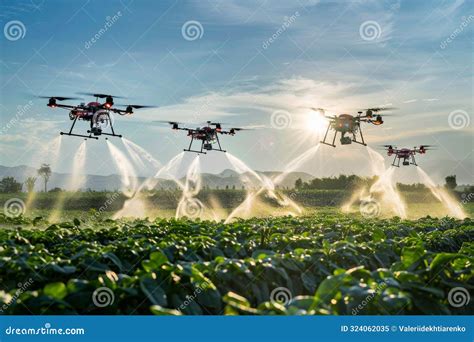
- Advanced Precision Agriculture: In modern agriculture, heavy lift drones equipped with large-capacity tanks can carry and precisely distribute fertilizers, pesticides, or seeds. They can also deploy heavy multispectral or hyperspectral sensors to monitor crop health and soil conditions over extensive farmlands with greater efficiency and accuracy than smaller drones or ground-based methods.
- Professional Film and Cinematography: For major film productions, commercials, or high-end documentaries that require the use of heavy, professional-grade cinema cameras (e.g., ARRI Alexa Mini, RED Raptor), specialized lenses, and complex gimbal stabilization rigs, heavy lift drones like the Freefly Alta X provide the necessary payload capacity, stability, and flight precision to achieve breathtaking cinematic shots that would otherwise require helicopters or large camera cranes.
Top 6 Applications for Heavy Lift Drones: Revolutionizing Industries
Big drones are no longer a niche technology; they are actively driving innovation and efficiency across a multitude of sectors. Their ability to carry significant payloads, operate in challenging conditions, and integrate sophisticated sensors is unlocking new possibilities and streamlining existing processes. Here are six of the top applications where heavy lift drones are making a profound impact:
1. Logistics and Delivery: The Future of Transport
Heavy lift drones are at the forefront of a revolution in logistics and delivery, enabling the swift and efficient transportation of goods in diverse environments, from dense urban centers to extremely remote, off-grid locations. These drones can carry substantial payloads, making them exceptionally well-suited for last-mile delivery challenges and emergency supply drops where time is of the essence. A notable example is Zipline, whose autonomous drones have been instrumental in delivering millions of doses of medical supplies, including blood and vaccines, to remote villages and clinics in countries like Rwanda and Ghana, dramatically showcasing the transformative potential of aerial logistics in healthcare. This application is rapidly expanding to include e-commerce package delivery, inter-site transport for large industrial complexes, and ship-to-shore deliveries.
Common use cases in logistics and delivery:
- Last-mile delivery: Transporting packages directly from distribution centers or local hubs to customers’ doorsteps in both urban and rural settings, potentially bypassing traffic and reducing delivery times.
- Medical supply delivery: Providing time-critical supplies such as vaccines, blood products, organs for transplant, or anti-venom to remote clinics, accident sites, or hard-to-reach communities.
- Emergency food and water delivery: Supplying essential sustenance and hydration to disaster-stricken areas cut off by floods, earthquakes, or other calamities.
- Industrial parts delivery: Moving critical spare parts to mining operations, offshore oil rigs, or manufacturing facilities to minimize downtime.
2. Agriculture and Environmental Monitoring: Precision and Scale
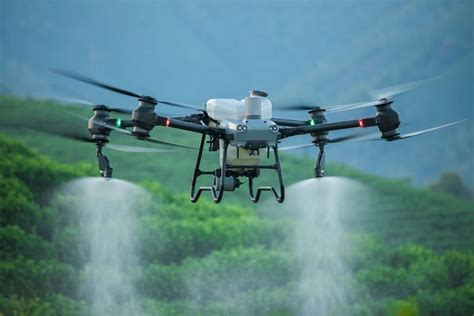
In the agricultural sector, heavy lift drones are proving to be a game-changer, enabling a new era of precision farming. They facilitate tasks such as precision spraying of fertilizers and pesticides with pinpoint accuracy (reducing chemical usage and environmental impact), efficient seeding over large or difficult-to-access terrains, and detailed crop health monitoring using sophisticated multispectral or hyperspectral sensors. They also play an increasingly critical role in environmental studies and conservation efforts by carrying advanced sensors for data collection related to air and water quality, wildlife populations, deforestation, and coastal erosion. Drones like the DJI Agras series (e.g., Agras T50, Agras T25) are specifically designed for agricultural applications, allowing farmers to optimize field management practices, increase yields, and operate more sustainably while minimizing their environmental footprint.
Common use cases in agriculture and environmental monitoring:
- Precision spraying and spreading: Applying liquid fertilizers, pesticides, herbicides, or granular substances like seeds or nutrients with unparalleled accuracy, targeting specific areas and reducing waste.
- Aerial seeding operations: Dispersing seeds to reforest burned areas, restore vegetation in large fields, or plant cover crops efficiently.
- Wildlife monitoring and anti-poaching: Surveying vast and often inaccessible wildlife populations for census data, tracking animal movements, and detecting poaching activities using thermal and high-resolution cameras.
- Water quality sampling: Deploying specialized sensors or collection devices to gather water samples from lakes, rivers, or coastal areas for environmental analysis.
3. Emergency Response and Disaster Relief: Lifesaving Interventions
Heavy lift drones play an increasingly vital and often life-saving role in emergency scenarios, particularly in the chaotic aftermath of natural disasters and during complex search-and-rescue missions. Their unique ability to rapidly deploy and transport heavy payloads into compromised or dangerous environments ensures that critical support can reach those in need when every second counts. These drones can operate in conditions too hazardous for manned aircraft or ground teams, providing a crucial lifeline. The Freefly Alta X, while known for cinematography, can also be repurposed for carrying lighter emergency equipment due to its reliability and payload capacity.
Common use cases in emergency response and disaster relief:
- Search and rescue (SAR): Locating survivors in disaster-stricken areas (e.g., collapsed buildings, wilderness, flood zones) using high-resolution thermal imaging cameras, optical sensors, and even communication relay payloads.
- Medical kit and equipment drops: Delivering essential lifesaving supplies such as medicines, blood packs, portable defibrillators (AEDs), or communication devices directly to victims or first responders.
- Relief supply delivery: Transporting larger quantities of food, clean water, blankets, or temporary shelter equipment to isolated communities or refugee camps.
- Damage assessment: Quickly surveying affected areas to provide situational awareness to emergency managers, helping to prioritize response efforts.
4. Construction and Infrastructure: Enhancing Efficiency and Safety
Within the construction and infrastructure sectors, heavy lift drones are streamlining complex operations by efficiently transporting materials, tools, and components to hard-to-reach or elevated areas on job sites. Their deployment can significantly reduce the reliance on expensive and cumbersome cranes or manual labor, especially for tasks requiring precision placement or access in confined spaces. This not only speeds up project timelines but also markedly improves safety for workers by minimizing their exposure to hazardous tasks at height or in unstable environments. For instance, heavy lift drones have been successfully used to string guide ropes for powerlines across challenging mountainous terrains or wide ravines, a task that is traditionally time-consuming and dangerous.
Common use cases in construction and infrastructure:
- Material transport: Lifting and moving heavy construction materials such as steel beams, pre-fabricated components, bags of cement, pipes, and cables directly to the point of installation.
- Powerline stringing and inspection: Deploying drones to safely and efficiently string initial pilot lines for power transmission cables in remote or difficult-to-access regions, and for detailed inspection of existing lines.
- Remote site construction support: Providing essential tools, small equipment, and resources to construction projects in areas with limited road infrastructure or challenging geography.
- Bridge and building inspections: Carrying heavy sensor packages for non-destructive testing (NDT) or detailed visual inspections of critical infrastructure elements.
5. Film and Media Production: Elevating Cinematography
Heavy lift drones have become indispensable tools in the modern film and media industry, enabling directors and cinematographers to capture stunning, dynamic aerial footage and to carry large, professional-grade camera equipment that was previously only possible with manned helicopters or expensive crane setups. The Freefly Alta X, as previously highlighted, is a popular choice among filmmakers, offering the requisite payload capacity to support cinema cameras like ARRI or RED, along with sophisticated gimbals, FIZ (Focus, Iris, Zoom) systems, and video transmission links, all while delivering exceptional stability, precision maneuverability, and smooth flight characteristics essential for high-quality cinematic output.
Common use cases in film and media production:
- High-quality aerial filming: Capturing breathtaking cinematic sequences, establishing shots, and dynamic action scenes for movies, television commercials, documentaries, and music videos.
- Supporting heavy camera rigs: Flying advanced camera equipment, including multi-camera arrays for VR content, large sensor cameras with anamorphic lenses, or custom-built camera systems for specialized shots.
- Live event coverage: Providing unique aerial perspectives and comprehensive coverage during live sporting events, concerts, festivals, or news broadcasts.
- Drone light shows: While not strictly “heavy lift” in the payload sense, the coordination of hundreds of smaller drones for light shows represents a sophisticated application of drone fleet management, sometimes managed by companies also involved in larger drone operations.
6. Energy and Utilities: Optimizing Maintenance and Inspection
Heavy lift drones are actively transforming operations within the energy and utilities sector by supporting critical inspection, maintenance, and repair (IMR) tasks for vital infrastructure such as powerlines, pipelines, wind turbines, and solar farms. For example, drones equipped with high-resolution optical cameras, thermal sensors, and LiDAR scanners help utility companies to conduct detailed assessments of vast networks of powerlines or extensive wind farms with greater efficiency, reduced cost, and significantly improved safety compared to traditional methods involving manned helicopters, rope access teams, or ground crews.
Common use cases in energy and utilities:
- Powerline and transmission tower inspections: Identifying faults, insulator damage, vegetation encroachment, or structural issues in electrical grids to ensure reliable energy delivery and prevent outages.
- Wind turbine blade and nacelle maintenance: Carrying tools, cleaning equipment, or repair materials for maintenance tasks on turbine blades and nacelles at significant heights, reducing the need for costly and time-consuming crane operations.
- Pipeline monitoring and leak detection: Surveying extensive networks of oil and gas pipelines for signs of leaks, corrosion, ground movement, or unauthorized activity using specialized sensors.
- Solar farm inspection: Utilizing thermal cameras to quickly identify defective panels or cells across large-scale solar installations, optimizing energy production.
What to Look for in a Big Drone: Key Considerations for Purchase
Selecting the right heavy lift drone is a critical decision that requires careful evaluation of various factors to ensure the chosen platform aligns perfectly with your specific operational needs and budget. Here are some of the most important aspects to keep in mind when you begin your search for a large, capable drone:
- Payload Capacity is Paramount: This is often the primary driver for investing in a heavy lift drone. You must accurately determine the maximum weight the drone will need to carry for your intended applications. Heavy lift drones exhibit significant variation in their payload capacities, ranging from a modest few kilograms (around 20-30 pounds) for tasks like carrying advanced sensor packages, up to well over 400 pounds for serious industrial lifting. Ensure the drone you choose not only meets but perhaps slightly exceeds the demands of your typical payloads, whether it’s carrying professional cinema cameras, specialized surveying tools, agricultural spray tanks, or bulky construction materials.
- Battery Life and Flight Range Dictate Operational Scope: For large-scale operations, longer battery life (endurance) and an extended flight range are absolutely critical. These factors directly influence how much area can be covered in a single flight or how far a delivery can be made. Consider drones that can remain airborne for extended periods, especially if your primary use cases involve extensive mapping projects, long-distance logistics, or agricultural tasks covering vast acreages. Evaluate the flight time specifications with the intended payload, as heavier loads will invariably reduce endurance.
- Durability and Weather Resistance for Reliability: Heavy lift drones are frequently deployed in challenging and often harsh environmental conditions. Look for drones constructed with durable materials and robust engineering. Equally important is weather resistance, often indicated by an Ingress Protection (IP) rating, which signifies the drone’s ability to withstand dust, rain, and varying temperatures. This resilience ensures operational reliability and longevity, particularly when working in unpredictable outdoor settings.
- Cost and Overall Value Proposition: Heavy lift drones represent a significant capital investment. It’s crucial to meticulously compare prices while comprehensively considering the drone’s features, build quality, included accessories, software ecosystem, and after-sales support. While it might be tempting to opt for cheaper alternatives, these may lack advanced features, crucial safety redundancies, or the durability required for sustained professional use. Focus on the overall value and the drone’s suitability for your specific return-on-investment calculations.
Essential Tips for Finding the Right Heavy Lift Drone
Navigating the market for heavy lift drones can be complex. Here’s what to look out for during your research and procurement process to make an informed decision:
- Thoroughly Research the Manufacturer: Prioritize reputable manufacturers with a proven and established track record in the heavy lift drone market. Companies such as DJI (with models like the FlyCart 30 and Agras series), Freefly Systems (Alta X), Griff Aviation, JOUAV, and Skyfish are generally well-regarded for their innovation, product reliability, and commitment to the professional drone industry. Look into their history, customer testimonials, and case studies.
- Scrutinize Warranties and Support Options: Ensure the drone comes with a robust manufacturer’s warranty that covers potential defects and provides a reasonable period of protection. Equally important is access to responsive and knowledgeable after-sales support, including technical assistance, repair services, and readily available spare parts. This can be crucial for minimizing downtime and resolving any technical issues or replacing damaged components efficiently.
- Consider Customization and Modularity: Some heavy lift drones feature modular designs, which allow for greater flexibility in customizing payloads, integrating various sensors, or adding specialized equipment for specific tasks. This adaptability can significantly enhance the drone’s usability across multiple industries or evolving project requirements, thereby increasing its long-term value.
- Test Before You Buy, or Consider Renting: Whenever feasible, request a live demonstration or, if possible, test the drone yourself to evaluate its flight performance, ease of operation, software interface, and overall suitability for your tasks. Alternatively, some specialized equipment providers, such as MFE Inspection Solutions, offer rental options for big drones. Renting can be an excellent way to gain hands-on experience with a specific model or to fulfill short-term project needs before committing to a large purchase.
- Seek Out Real-World User Reviews and Communities: Go beyond manufacturer specifications and marketing materials. Look for independent reviews, user testimonials, and online forums or social media groups where actual operators share their experiences with a specific drone model. For instance, dedicated Facebook groups often exist for popular models like the DJI Matrice 300 (a versatile enterprise drone that can handle moderate payloads), providing invaluable insights into real-world performance, common issues, and practical tips.
What’s Next for Big Drones? The Horizon of Innovation
The heavy lift drone market is not static; it’s a domain of rapid evolution, continually propelled by cutting-edge innovations that are relentlessly expanding their capabilities, operational envelopes, and application potential. These technological advancements are enabling drones to lift even heavier payloads, travel significantly longer distances, operate with greater degrees of autonomy, and perform effectively in increasingly challenging and complex environments. The future promises even more sophisticated and integrated aerial solutions.
Here are some of the most significant innovations currently shaping the development and future trajectory of large drones:
- Artificial Intelligence (AI) for Enhanced Autonomous Flight: Artificial intelligence and machine learning algorithms are revolutionizing drone navigation and operational intelligence. AI-powered systems enable drones to make complex real-time decisions, dynamically avoid obstacles (even those not in pre-loaded maps), optimize flight paths for efficiency and safety, and even identify and classify objects of interest autonomously. This technology is particularly transformative for industrial applications such as intricate infrastructure inspections, persistent surveillance, and complex search-and-rescue missions in cluttered environments.
- Breakthroughs in Long-Range Delivery Drones: The demand for efficient long-range delivery solutions is pushing the development of heavy lift drones capable of traversing vast distances. Innovations in hybrid propulsion systems (combining electric motors for VTOL with internal combustion engines or fuel cells for long-endurance cruise flight) and advanced aerodynamic designs are making it increasingly feasible to transport essential goods, critical medical supplies, and even construction materials over hundreds of miles, especially to remote or underserved areas.
- Significant Battery and Power System Improvements: One of the most critical areas of ongoing development is improved battery technology and alternative power sources. Researchers and manufacturers are actively exploring next-generation battery chemistries, such as lithium-sulfur (Li-S) and solid-state batteries, which promise significantly higher energy densities, leading to extended flight times, reduced charging cycles, and increased overall energy efficiency. These advancements are paramount for heavy lift drones, which inherently require substantial power to carry large loads and operate for commercially viable durations. Alongside battery tech, hybrid propulsion systems are becoming more common, offering a pragmatic balance of electric power’s quiet operation and the extended endurance provided by fuel-powered engines.
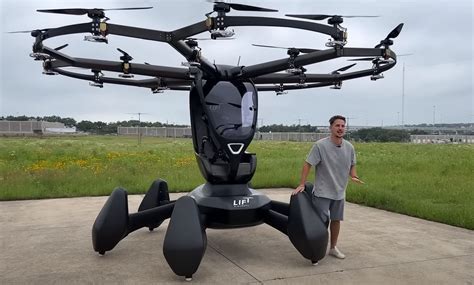
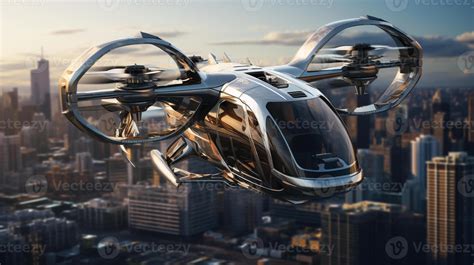
- The Advent of Drones Capable of Carrying a Person: What once seemed confined to the realm of science fiction is rapidly becoming a tangible reality: personal transport drones, or passenger drones. Several companies worldwide are actively developing and testing drones designed to safely carry one or two passengers. These electric Vertical Takeoff and Landing (eVTOL) aircraft are opening entirely new possibilities for Urban Air Mobility (UAM), offering a potential solution to traffic congestion, as well as novel approaches to emergency medical evacuations or rapid personnel deployment in specific scenarios. While regulatory and infrastructure challenges remain, the technology is advancing at an impressive pace.
Big Drone FAQ: Answering Your Pressing Questions
As heavy lift drones become more prevalent, numerous questions arise regarding their capabilities, limitations, and operational aspects. Here are concise answers to some of the most frequently asked questions about these large and powerful unmanned aerial vehicles.
What is the largest drone you can buy commercially?
The Griff Aviation 300 is often cited as one of the largest commercially available drones, particularly noted for its impressive payload capacity of up to 500 pounds (227 kg). While there are custom-built drones for highly specialized industrial or military purposes that may be physically larger or lift more, these are generally not available for public purchase or general commercial acquisition.
How much weight can a typical heavy lift drone carry?
The weight a heavy lift drone can carry varies significantly based on its specific design, size, and intended purpose. So-called ‘consumer-grade’ heavy lift drones (a relative term in this category) might carry payloads up to around 20 pounds (9 kg). More robust industrial models, such as the DJI FlyCart 30, can comfortably carry between 66 and 88 pounds (30-40 kg), while top-tier industrial lifters like the aforementioned Griff Aviation 300 can manage loads up to 500 pounds (227 kg).
Can a drone actually carry a person?
Yes, there are indeed drones currently in development and testing phases that are specifically designed to carry people. Prominent examples include aircraft like the Joby S4, Wisk Cora, and EHang 216, often categorized as passenger drones or eVTOL (electric Vertical Takeoff and Landing) aircraft. These innovative vehicles are engineered for personal air transport, typically designed to carry one or two people over relatively short to medium distances, with applications envisioned in urban air taxi services and emergency response.
What specific drone model has the highest lift capacity available on the market?
Currently, the Griff Aviation 300 is among the commercially available drones with the highest documented lift capacity, capable of hoisting payloads up to 500 pounds (227 kg). It’s important to note that custom-engineered drones, often developed for specific industrial clients or military applications, can potentially exceed this capacity, but these are not typically off-the-shelf products.
What is considered the biggest drone in terms of physical size?
When considering sheer physical dimensions, military surveillance and combat drones like the Northrop Grumman RQ-4 Global Hawk or the Boeing MQ-25 Stingray (with a wingspan of 75 feet) are among the largest unmanned aircraft. However, these are military assets and not available for civilian or commercial use. For commercially accessible drones, models like the Griff Aviation 300 or some large fixed-wing cargo UAVs are often cited as being among the biggest due to their substantial airframes designed for heavy lift capabilities or long endurance.
How much does a heavy lift drone typically cost?
The cost of heavy lift drones spans a very wide range. Entry-level models, which might still be quite capable for certain tasks, can start around $5,000 to $15,000. Mid-range commercial and industrial systems often fall between $20,000 and $100,000. Advanced, high-payload, or highly specialized industrial or military-grade drones can easily exceed $250,000, with costs escalating based on payload capacity, flight time, sensor packages (e.g., thermal imaging, LiDAR), and the sophistication of onboard autonomous systems.
What industries stand to benefit the most from the deployment of heavy lift drones?
A diverse array of industries are already reaping significant benefits from heavy lift drone technology. Key sectors include construction (material transport, site surveying), logistics (last-mile delivery, remote supply), agriculture (precision spraying, crop monitoring), emergency response (disaster relief, search and rescue), film and media production (aerial cinematography), and the energy and utilities sector (infrastructure inspection and maintenance).
Are heavy lift drones generally safe to operate?
Yes, when operated correctly by trained and certified professionals and in strict compliance with all applicable local and national aviation regulations, heavy lift drones are designed and can be operated safely. Reputable manufacturers equip these drones with advanced safety features, including redundant systems, obstacle avoidance technology, GPS-based geofencing and stabilization, and failsafe mechanisms such as return-to-home functions or emergency parachute systems. However, the increased size and weight necessitate meticulous planning, rigorous pre-flight checks, ongoing maintenance, and a profound respect for safety protocols to mitigate risks effectively.