In the intense and unforgiving environment of aerial warfare, situational awareness can mean the difference between survival and destruction. One of the most crucial components of this awareness is a pilot’s ability to detect when their aircraft is being illuminated by enemy radar—commonly referred to as being “painted”—and when a hostile system has locked onto them with intent to fire. This is not just movie dramatization; it’s a life-or-death reality in every modern combat mission.
Understanding Radar Painting and Lock-On
To understand how fighter pilots know when they’re being targeted, it’s essential to grasp the basic mechanics of radar systems in air combat. Radar, or Radio Detection and Ranging, works by emitting electromagnetic waves and measuring the reflections from objects. In a military context, enemy aircraft use radar to search, detect, and track opposing aircraft.
A radar system typically operates in two modes:
- Search Mode: The radar sweeps broad areas of airspace looking for potential targets. Being painted in this mode means an aircraft has been detected but not yet tracked.
- Track Mode: This mode focuses a continuous radar beam on a specific target. If an aircraft is being tracked, it means it is likely about to be engaged by a weapon system.
The transition from search to track mode is a vital cue for pilots, and it’s precisely this escalation that is monitored by sophisticated onboard systems.
The Role of Radar Warning Receivers (RWR)
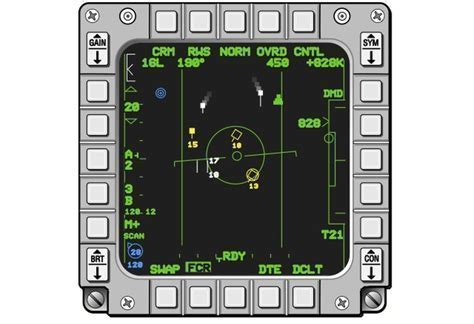
Fighter jets are equipped with Radar Warning Receivers (RWRs), which are critical components of the aircraft’s defensive suite. These systems are designed to detect, identify, and prioritize radar emissions. When an aircraft is painted by radar, the RWR can determine the direction of the radar source, its signal strength, and in some cases, the type of radar emitter.
The RWR processes this data and alerts the pilot through both visual indicators on the Heads-Up Display (HUD) and audio tones through the pilot’s headset. Each tone or symbol corresponds to a specific type of threat. For example:
- A pulsed radar signal in search mode might generate a periodic tone.
- A continuous wave radar, which signifies tracking or missile guidance, will produce a steady tone.
More advanced RWRs can even identify the radar model and match it to known aircraft or missile systems. This allows the pilot to assess whether the threat is from a surface-to-air missile battery or an enemy fighter jet.
Types of Missiles and Lock-On Mechanisms
Understanding missile guidance is central to comprehending how lock-ons work. Modern air-to-air missiles fall into three primary categories, each with its own launch protocols and radar interaction:
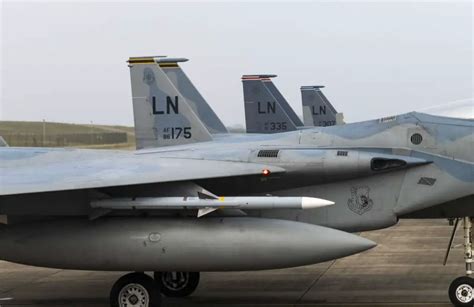
- Fox One – Semi-Active Radar-Guided Missiles: These missiles, such as the AIM-7 Sparrow, rely on radar guidance from the launching aircraft. The pilot must maintain radar lock on the target until impact.
- Fox Two – Infrared-Guided Missiles: These are heat-seeking missiles like the AIM-9 Sidewinder. They don’t require radar to lock; instead, they home in on the heat signature of an enemy aircraft.
- Fox Three – Active Radar-Guided Missiles: Missiles such as the AIM-120 AMRAAM use onboard radar for guidance. They require an initial lock but can autonomously track the target in the terminal phase.
From Detection to Lock: How a Pilot Knows
Once an enemy radar begins focusing on a pilot’s aircraft, the RWR interprets this as a tracking attempt. If the signal intensifies and stabilizes, the system escalates the warning, indicating a potential missile lock-on. A distinct auditory tone signals this phase. If a missile is launched, additional sensors, including Missile Approach Warning Systems (MAWS), may detect the incoming threat.
In modern jets like the F-35 Lightning II or F-22 Raptor, the cockpit is designed to merge these sensor inputs into a unified threat picture. A combination of:
- RWR
- MAWS
- Laser Warning Receivers (LWRs)
- Infrared Search and Track (IRST)
…provides a multi-layered awareness system that not only tells the pilot they’re being tracked but also how to respond in real time.
Audio Cues: The Unseen Language of Threat Detection
Pilots are trained to identify and react to a variety of auditory signals without needing to take their eyes off the fight. These tones are standardized and convey specific, often urgent, meanings:
- Beep-Beep (intermittent): Search radar detected.
- Continuous Tone: Tracking radar—indicates a missile lock.
- Chirping or Warbling Tone: Incoming missile detected.
This audio environment, paired with visual cues on the HUD and Multi-Function Displays (MFDs), allows pilots to react almost instinctively.
Defensive Maneuvers and Countermeasures
When a pilot is alerted that they’re being painted or locked on, immediate action is required. This may involve a combination of evasive maneuvers and electronic countermeasures. Here’s how it usually plays out:
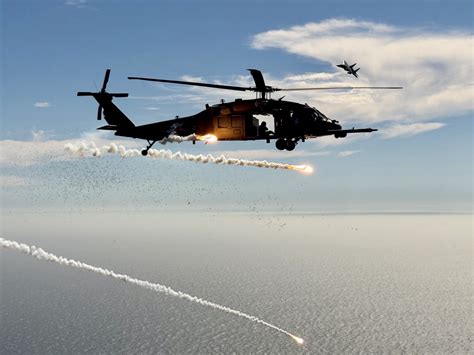
The pilot initiates defensive flying—high-G turns, altitude changes, and evasive spirals—designed to break the radar lock. At the same time, chaff (tiny aluminum strips) may be deployed to confuse radar-guided missiles, while flares are used to decoy infrared-guided threats.
In more advanced aircraft, Electronic Warfare (EW) suites can jam enemy radar or spoof radar signatures, essentially making the aircraft appear elsewhere on the enemy’s scope. These systems operate semi-autonomously and can initiate counter-jamming without pilot input.
Evolution of Radar Detection Technology
The sophistication of RWRs and missile warning systems has advanced in tandem with the threats they face. The earliest RWRs were basic signal detectors. Today’s systems in 5th generation fighters include artificial intelligence-assisted threat libraries that can:
- Predict the type and behavior of enemy radar emitters
- Prioritize the most immediate threats
- Suggest optimal evasion or countermeasure deployment
Systems like the AN/ALR-94, found on the F-22 Raptor, are integrated across the entire airframe, offering full 360-degree coverage. They can differentiate between various types of radar threats and triangulate their locations with incredible precision.
Ground-Based Threats and Laser Targeting
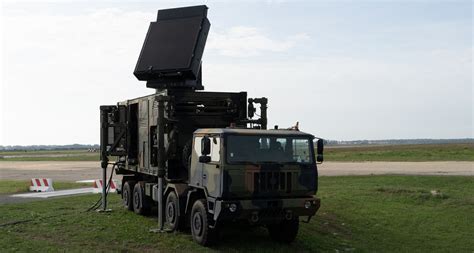
Not all radar locks come from enemy fighters. Surface-to-Air Missile (SAM) systems pose a major threat, especially in hostile airspace. These systems often use high-powered ground-based radar to acquire and track targets.
To combat these, aircraft are equipped with LWRs that detect when a laser rangefinder or laser designator is aimed at them—an indication that a missile strike may be imminent. LWRs are highly sensitive and can triangulate laser direction, alerting the pilot to maneuver or activate defenses accordingly.
When the Missile Is Already Airborne
Despite all precautions, sometimes the worst happens: a missile is launched. At this stage, the aircraft’s Missile Approach Warning System becomes critical. These systems detect the missile’s heat signature or radar emissions and instantly inform the pilot.
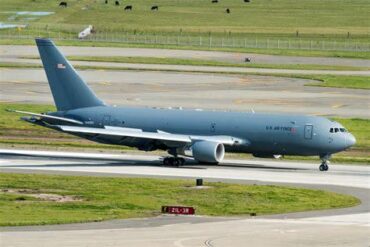
Some modern systems, like the Directional Infrared Counter Measures (DIRCM) used on stealth platforms and large aircraft, can even jam or divert incoming missiles using laser beams. While these are primarily installed on high-value targets like AWACS or tankers, they represent the pinnacle of defense technology in modern air combat.
Conclusion: A Dance of Survival in the Sky
Being painted by radar or locked on by an enemy isn’t just an alert; it’s a warning bell that kicks off a sequence of split-second decisions, countermeasures, and evasive flying. Thanks to a symphony of onboard systems—RWR, MAWS, LWR, and EW suites—fighter pilots are given every advantage to survive and fight another day.
Every tone, flicker on the HUD, or vibration in the stick tells a story, and for the men and women flying at Mach speeds, knowing how to interpret those messages is the ultimate lifeline in the sky.