Airports are places of high movement, where safety is a top priority. As travelers pass through security checkpoints, many wonder: What exactly can airport scanners detect? It’s a question often asked not just by passengers but also by those working in airport security. The answer is important because it highlights how technology works to keep flights secure.
The purpose of airport scanners is to help security teams spot any dangerous or illegal items, including weapons, explosives, and sometimes even drugs. While older machines focused on detecting metals, modern scanners are much more advanced. They can now identify both metallic and non-metallic threats. But how do they work? And are they really effective when it comes to finding hidden substances like drugs?
Let’s explore the types of scanners used, how they operate, and what lies ahead for airport security.
The Two Types of Airport Scanners
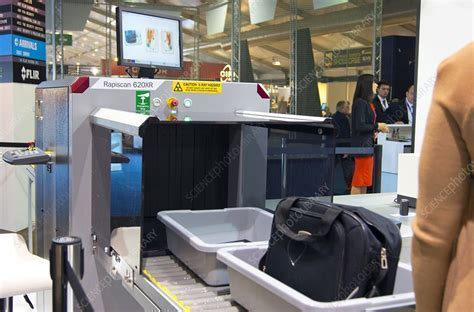
At most airports, you’ll see two main types of scanners: one for your body and one for your bags. Both are designed to go beyond what metal detectors can do. They are part of a broader strategy to prevent any kind of threat from making it onto a plane.
These scanners use advanced imaging technology to find suspicious items quickly. Their purpose is not only to detect weapons but also to spot any object that looks unusual or could pose a risk, including drugs and explosive materials.
How Airport Scanners Work
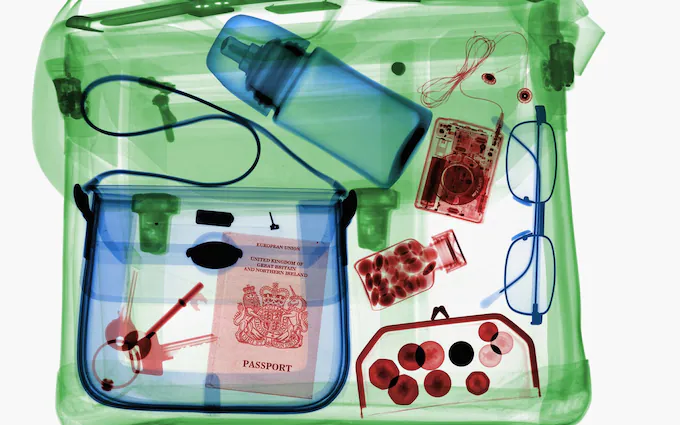
The core technology behind most airport scanners is X-ray radiation. This form of high-energy electromagnetic radiation can penetrate different materials to varying degrees. The scanner reads how much of the X-rays are absorbed or reflected back and forms an image based on those results.
There are two main categories of scanners used on people:
1. Millimeter-Wave Scanners
These machines use millimeter waves, a type of electromagnetic wave just above the microwave range. When a passenger steps inside, the scanner sends out these waves, which bounce off the body and any concealed objects. The result is a 3D animated image that security staff review for anything suspicious.
If something out of the ordinary is spotted, the person may be asked to undergo further screening.
2. Backscatter X-Ray Scanners
These scanners use ionizing radiation to reveal items on the surface of the body or hidden under clothing. Although effective, they’ve been phased out in many places due to privacy concerns. Some airports in the US, UK, and Europe still use them, especially where full-body screening needs to be more thorough.
It’s worth noting that the radiation used is very low and safe for humans in small doses.
Scanning Luggage and Carry-Ons
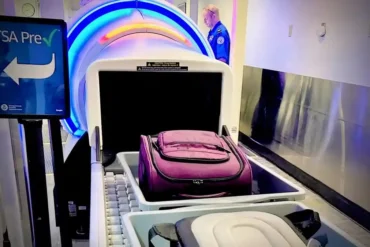
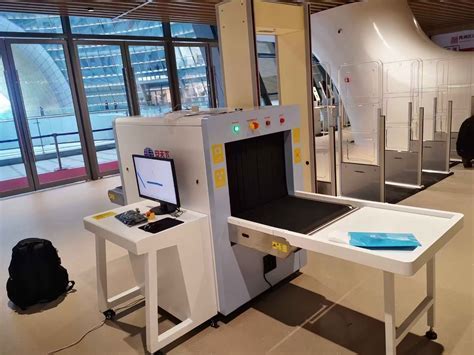
When it comes to bags, airport security relies on baggage scanners that also use X-ray technology. These machines highlight the edges of items inside luggage, making it easier for officers to identify unusual shapes, densities, or objects hidden inside.
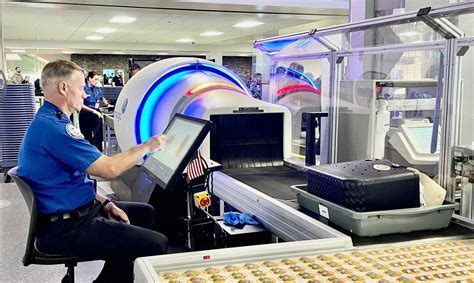
The image appears on a monitor, and trained TSA officers check for anything out of place, from weapons to organic matter like drugs or explosives.
Can Airport Scanners Detect Drugs?
This is one of the most common questions, and the answer is: not directly. Airport scanners don’t automatically recognize drugs. Instead, they produce images that trained officers review. If an item or substance looks suspicious, it can trigger a secondary inspection.
For example, a dense or oddly shaped item could lead to a manual bag check, chemical swab, or further scanning. Security personnel are trained to spot patterns that indicate possible drug trafficking or concealment.
In this way, it’s the human expertise behind the screen that really makes the difference.
The Role of Additional Screening Tools
Scanners are just part of a wider network of security measures. Airports still use metal detectors, pat-downs, and chemical trace detection to strengthen safety. One of the most promising recent developments is the ATI scanner.
ATI Scanners (Attenuation Imaging)
ATI scanners are popular for being both effective and respectful of privacy. They show only a generic outline of the body, without revealing gender or body shape. They can detect metallic and non-metallic objects and are used widely across modern airports.
They also help eliminate myths—such as scanners being able to see inside body cavities or detect illnesses—which simply aren’t true.
Trace Portal Machines
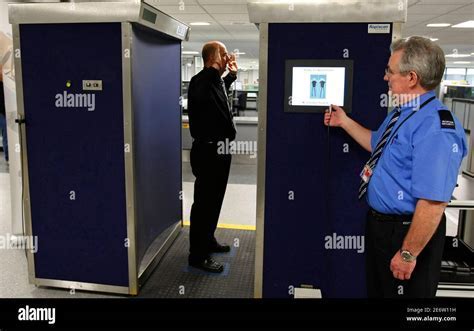
To detect explosives and non-metallic items like certain drugs, some airports use trace portal machines. These look like walk-through booths and can detect even the smallest particles of explosive or drug residue on clothing or skin. They add an important layer of protection, especially in high-risk zones.
Looking to the Future of Airport Security
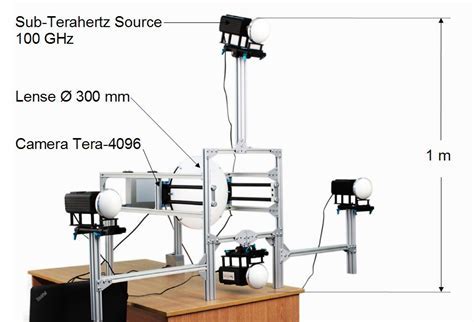
Airport security isn’t standing still. As threats become more complex, technology continues to evolve. One of the most exciting areas of development involves terahertz scanners.
These scanners can detect objects from a distance using terahertz waves. They can scan passengers while they’re moving, without making them stop. This could speed up the process and increase safety without being invasive.
Some airports are even considering installing these scanners at places like terminal entrances or check-in desks, allowing early threat detection without disrupting the flow of passengers.
Artificial Intelligence and Smart Security
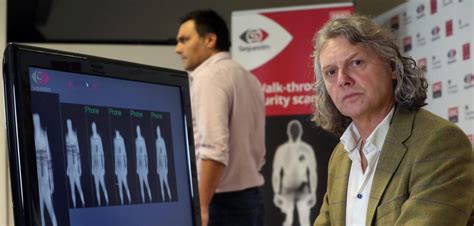
AI is now being used to make scanners smarter. One project led by the company Sequestim is developing a scanner that allows passengers to walk through without removing items from their pockets or bags. The AI processes the image data and alerts officers only when something suspicious appears.
Another innovative project by University College London is building a portable scanner that can determine what a material is made of just by scanning it. This could allow officers to find hidden items inside bags much faster and with more accuracy—without needing to open the luggage or use traditional X-rays.
These new technologies are part of what experts are calling Smart Security. The goal is to combine tech like biometrics, CT scanning, and AI to create a seamless, efficient, and secure travel experience.
Final Thoughts
Airport scanners today are more than just machines that beep at metal. They are smart, precise, and supported by trained professionals who interpret what the scanners reveal. While scanners themselves don’t “detect drugs,” they provide the tools needed for officers to make informed decisions.
As security threats evolve, so will the technology used to stop them. The future looks promising, with faster, smarter, and more private ways of keeping everyone safe in the skies.