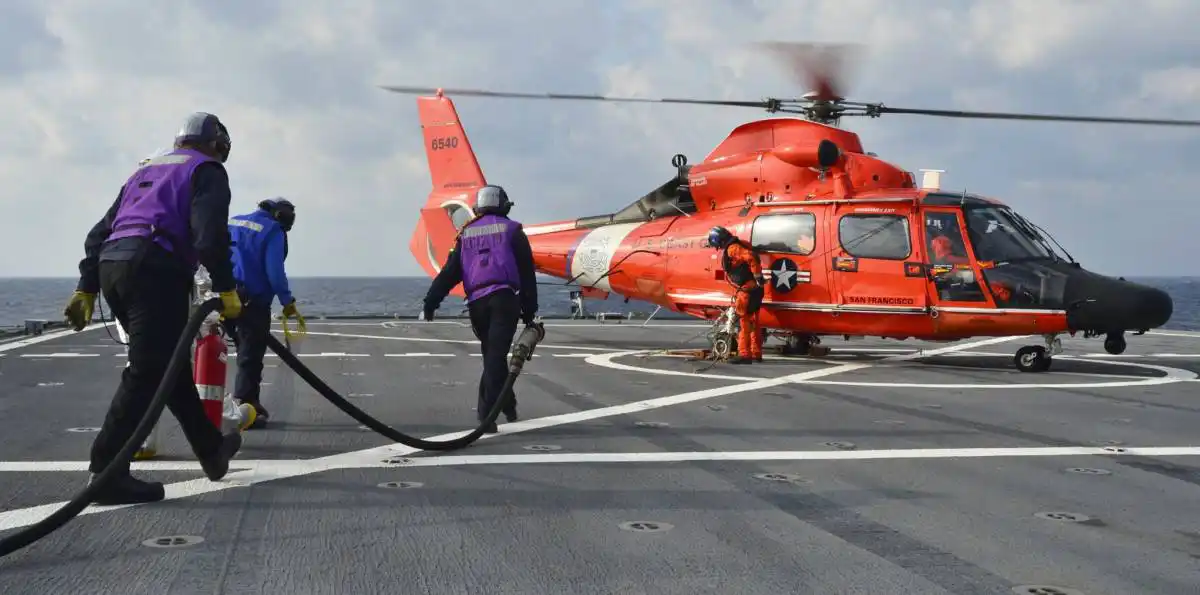
Helicopters are unique aircraft with features that set them apart from airplanes—especially their ability to take off and land vertically, without needing a runway. But when it comes to fuel, they share something in common with other aircraft: they rely on specific types of fuel to operate.
If you’ve ever wondered what kind of fuel helicopters use, you’re not alone. Is it jet fuel? Or aviation gasoline? The answer depends on the type of engine a helicopter uses. Let’s explore this topic in a way that’s easy to follow, starting with the most common question.
Do Helicopters Use Jet Fuel?
Yes, many helicopters do use jet fuel—but not all of them. The type of fuel a helicopter uses is based on the kind of engine it has. There are two main types of helicopter engines: turbine engines and piston engines, and each type uses a different fuel.
Let’s break them down.
Turbine-Powered Helicopters
Helicopters with turbine engines are typically larger and more powerful. These helicopters use jet fuel, the same type used by commercial airplanes. Turbine engines are known for being strong, reliable, and capable of lifting heavy loads. They also offer smoother, quieter flights and more seating space, which makes them ideal for commercial or executive travel.
However, this power comes at a cost. Turbine helicopters are more expensive to buy, operate, and maintain. They also burn fuel faster, especially due to their added weight and power. That said, they’re preferred for long-distance flights, night operations, and transporting multiple passengers or cargo.
Piston-Powered Helicopters
Piston engine helicopters are smaller, lighter, and more fuel-efficient. They usually seat two to four people and are a common choice for personal travel, flight training, and even sightseeing tours. Due to their simplicity and lower operating costs, they’re great for occasional flyers or organizations that don’t need the power of a turbine helicopter.
Law enforcement agencies also use piston helicopters for patrols and surveillance, especially in urban areas where maneuverability matters more than speed or size. While piston helicopters are more economical, they’re not ideal for colder climates or heavier loads. In such cases, a turbine helicopter is more practical despite the higher fuel consumption.
What Exactly Is Jet Fuel?
The fuel used in turbine helicopters is called aviation turbine fuel, commonly known as jet fuel. It’s a kerosene-based fuel widely used in aircraft with turbine engines. The most common type in the U.S. is Jet A, while Jet A-1 is more common internationally. Both are designed to perform well under high pressure and cold temperatures.
These fuels are colorless or have a light straw color. They also have a distinct smell, similar to diesel. Despite the name “gas turbine,” these engines do not use gasoline. Jet fuel is a completely different product, derived from petroleum or synthetic blends.
Aviation Gasoline (Avgas) and Piston Engines
On the other hand, helicopters with piston engines use aviation gasoline, often referred to as avgas. This fuel is different from jet fuel and is specifically made for smaller aircraft with internal combustion engines.
The most widely used grade of avgas is 100LL, where “LL” stands for “low lead.” Interestingly, this fuel contains more lead than regular car gasoline—about three times more per liter. The lead helps prevent engine knocking or detonation, which could damage the engine. However, it’s a toxic substance and one of the reasons leaded fuel has been banned in cars.
Other common avgas grades include AVGAS 100 and AVGAS 82UL (the latter being unleaded).
How to Tell the Difference Between Fuel Types
Since different engines require different fuels, it’s essential to avoid mixing them up. A simple solution is color coding. Aviation gasoline is dyed during production to help identify its grade:
- Purple for AVGAS 82UL
- Green for AVGAS 100
- Blue for AVGAS 100LL
This way, anyone handling the fuel can easily recognize the type by color. Fuel trucks and equipment also use colored decals and labels to show the grade they’re carrying.
Jet fuels, on the other hand, are not dyed. Instead, they’re identified using markings and smell. Jet A and Jet A-1 usually have black or gray labels, while Jet B uses yellow. Their diesel-like scent also helps technicians distinguish them from avgas.
How Much Does Helicopter Fuel Cost?
Helicopter fuel prices are the same as those used in airplanes because the cost depends on the type of fuel, not the aircraft. However, what makes the big difference is how much fuel a helicopter burns and how often it needs to refuel.
Let’s compare two popular helicopters to understand this better.
- Robinson R22 (piston engine): It uses avgas and has a 26-gallon tank. At $6 per gallon, filling the tank would cost $156.
- Bell 206 JetRanger (turbine engine): It uses jet fuel and has a 70-gallon tank. At $5 per gallon, it costs about $350 to refuel.
In India, where aviation fuel costs around ₹116.8 per liter, filling up the Bell 206 would cost ₹30,952, depending on the exchange rate and fuel pricing at the time.
How Much Fuel Does a Helicopter Burn?
Fuel consumption depends on the size and engine type of the helicopter. Bigger helicopters naturally burn more fuel, but that’s not the only factor. Helicopters burn fuel to create both lift and thrust through their rotors, unlike airplanes that rely on wings to generate lift.
Piston helicopters are more fuel-efficient, burning between 5 and 20 gallons (19–76 liters) per hour.
Turbine helicopters, especially large ones, can burn 25 to 1,100 gallons (95–4,165 liters) per hour.
An extreme example is the MIL MI-26, a massive Russian transport helicopter that uses nearly 1,000 gallons of fuel per hour.
Does More Fuel Mean More Flight Time?
Not necessarily. A larger tank doesn’t always lead to longer flight times. A heavier helicopter needs more power to lift off, which means it burns fuel faster. Most helicopters are designed to fly for 1.5 to 3 hours with a 20-minute reserve.
Flight time also depends on factors like hovering and drag. Hovering requires more fuel since the rotors have to work harder to keep the aircraft in place. Drag also affects efficiency:
- Parasite drag comes from the shape of the fuselage.
- Profile drag is caused by the blades moving through the air.
Less drag and less hovering mean longer flight times.
Final Thoughts
Helicopters are remarkable machines with the ability to land on almost any solid surface, fly in tight spaces, and perform essential tasks like rescue missions, medical transport, and law enforcement operations. However, choosing the right type of helicopter—whether turbine or piston—depends heavily on your budget, use case, and fuel efficiency needs.
Turbine helicopters offer power and comfort but cost more to run. Piston helicopters are more affordable and fuel-efficient, making them a practical choice for beginners, training, or personal use.
As fuel prices continue to fluctuate, helicopter operators are also exploring alternative energy sources for the future. With ongoing advancements in aviation technology, we may soon see helicopters that are more eco-friendly and economical.
For now, understanding the fuel types, costs, and consumption rates helps you make informed decisions whether you’re flying, learning, or just curious about how these incredible machines work.