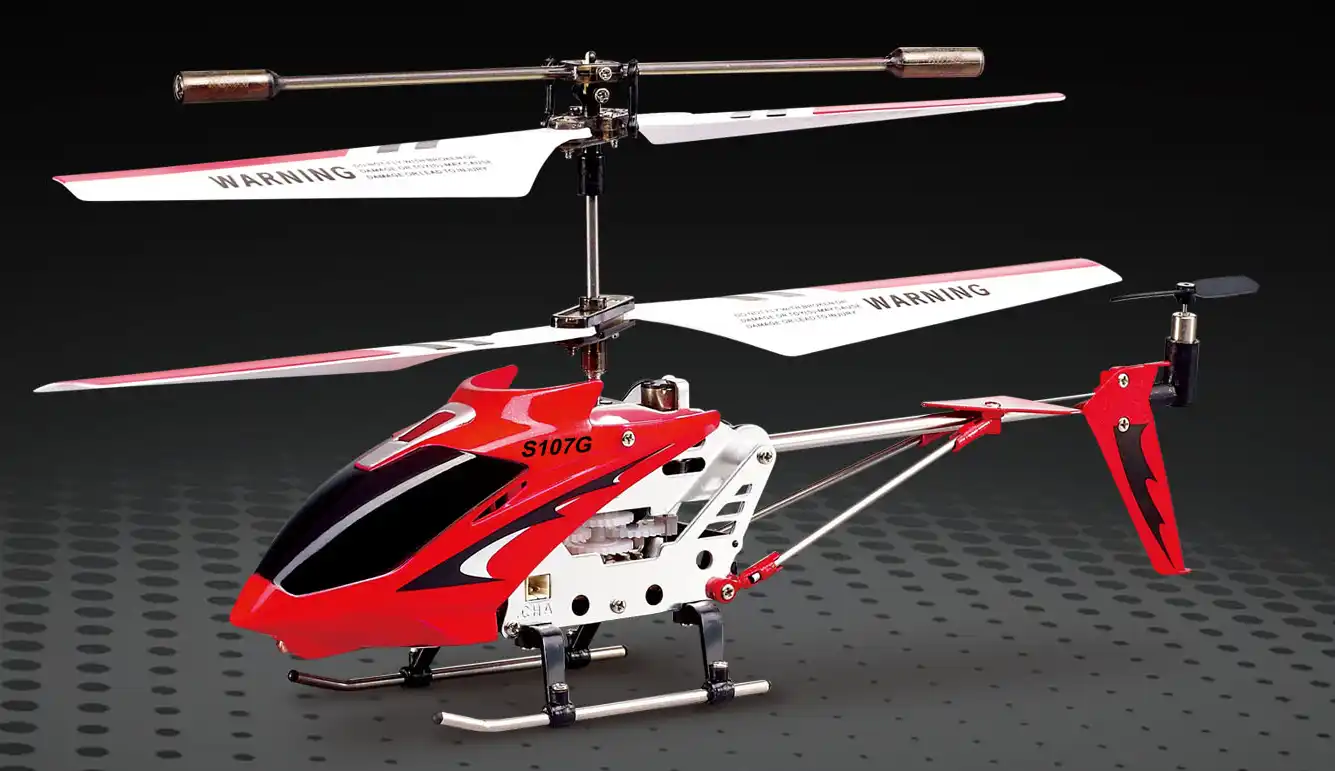
The radio-controlled helicopter hobby spans a huge range – from simple toy models to advanced turbine-powered machines – and the “best” RC helicopter depends entirely on you: your experience, budget, flying space, parts access and how much time or passion you have for the craft. In fact, as one expert notes, “if there truly was a ‘best RC helicopter’ we would all be flying the same thing,” but in reality “all have pros, cons and compromises”. We emphasize that choosing a model should fit your personal goals. Factors like budget, size of flying area, access to spare parts, and learning commitment are far more important than flashy marketing slogans. Throughout this article we will cut through the hype and explain RC helicopter types, sizes, controls and equipment so you can confidently pick the right machine for you.
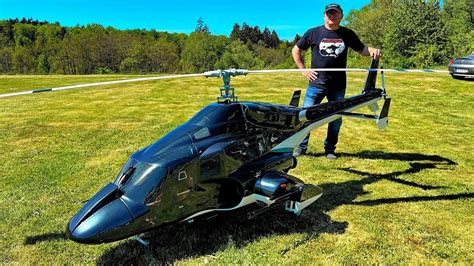
Selecting the right RC helicopter starts with understanding the main categories. At the simplest end are toy RC helicopters, often coaxial designs or very small single-rotor “micro” models. These machines are inexpensive, mechanically simple, and very easy to fly. For example, popular toys like the Syma S107 use a two-rotor coaxial layout; they “have basically made it possible for anyone to enjoy flying RC helicopters.” Such toy models aren’t maintenance-intensive and almost never break the bank. The downside is limited control and performance: a toy helicopter won’t give you the precise handling of a true hobby-grade model. In between toy and full hobby machines, many pilots start on hobby-grade micro helicopters (fixed-pitch singles or small three-channel coaxial models). These slightly more advanced micro-helis still use simple lift control but often include features like basic stabilization for steadier flight. They are still small enough to fly in a backyard and crash-proof enough (because of low weight) that repairs are cheap.
Toy and Coaxial RC Helicopters
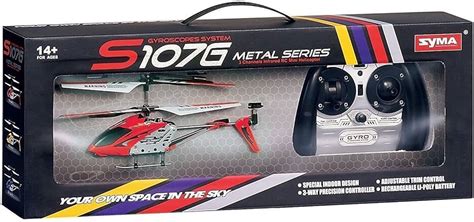
Toy and coaxial RC helicopters are ideal for absolute beginners or children. These mini-helicopters are “not complicated or maintenance intensive” and can be flown almost as soon as you open the box. Many are coaxial: meaning two counter-rotating main rotors provide lift and stability. For example, common 3-channel toy models use two contra-rotating blades to control lift and yaw at the same time. By adjusting the relative speeds of the dual rotors, the toy can turn left or right and change altitude. Some include a small “tail fan” to drift forward or backward slowly, adding simple directional control. The big advantage is ease-of-use: coaxial rotors naturally resist tipping and are very forgiving when learning to hover. The trade-off is performance – these toys are slow, can’t handle wind, and lack advanced features like cyclic pitch control or aerobatics. In short, toy coaxial helis offer fun out of the box and a gentle introduction to RC flight, but they are meant for casual play. Think of them as starter kits: if you break one, you typically just replace it. (For a more durable first heli, consider a micro hobby-grade fixed-pitch model instead – we’ll discuss those next.)
Fixed-Pitch vs. Collective-Pitch Helicopters
A key distinction in RC helis is lift control mechanism. Fixed-pitch (FP) helicopters have their main blades set at one angle; the only way to make them climb or descend is by changing rotor speed. This makes FP helis mechanically simpler: fewer parts, lower cost, and generally a gentler, more stable hover (at least in calm air). In fact, fixed-pitch helis “are what most people start out with. Simplicity and cost!” notes one expert. Many FP models today are micro sized (rotor under ~300mm), because as size grows the heavy rotor inertia makes lift control very sluggish. Small FP helis can be very stable in hover due to their low speed and high-lift rotor blades. The downside is obvious: FP helis cannot change their blade pitch in flight, so they lack the precision and agility of collective-pitch craft. You cannot fly inverted or do 3D maneuvers with an FP helicopter, and even basic forward flight is only achieved by tricking the heli forward (weight shifting or tail fan). In practice, all larger RC helis (above micros) are collective-pitch for these reasons.
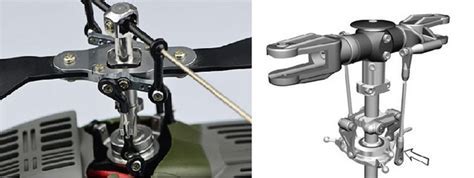
In contrast, Collective-Pitch (CP) helicopters let you vary the blade pitch angle dynamically. With CP, the rotor’s speed is held nearly constant, and the electronic swashplate tilts each blade as needed. This produces almost instantaneous lift changes: when you raise collective pitch, the heli shoots up “almost instantaneously with no lag time”. Conversely, lowering pitch makes it descend immediately. The result is extremely precise control of altitude – far more so than FP. High rotor RPM and pitch authority also improve wind handling and performance. The big payoff is aerobatic capability: CP helis can fly inverted or do flips by producing negative pitch upside down, a feat impossible on FP machines.
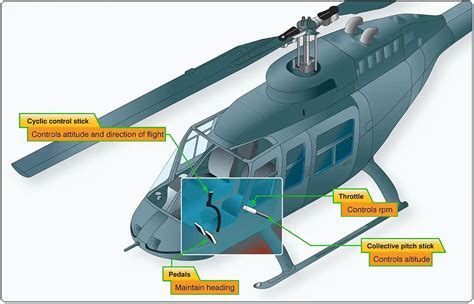
The trade-off is that CP helicopters are inherently unstable in hover. By definition they have no automatic self-leveling; pilots must make constant small corrections to stay level. This “active piloting” can feel like balancing on a ball – demanding but deeply engaging. Enthusiasts call CP flying “the ultimate expression of fun & achievement” because the increased challenge delivers a feeling of mastery. In short, fixed-pitch helis are easier and cheaper (great for a first toy or micro), while collective-pitch helis are for those seeking high performance and willing to master the steeper learning curve.
RC Helicopter Sizes and Flying Space
RC helicopters come in many sizes, and your available flying area often dictates the choice. Micro helis (100–150 class) are tiny single-rotor models (blade diameter ~6–12 inches). Because they’re light (<250g), they can be flown in a backyard or even indoors (many fall under local weight restrictions). Micro helis tend to be very crash-tolerant – you can hit a wall or the ground and often keep flying. Repair costs are minimal (parts often under $20), so learning on micros is relatively risk-free. Many modern micros also include tiny stabilizing gyros or auto-level modes, making them as easy as possible to hover. The downside is size: a micro can be hard to see at distance and can only take very lightweight batteries, so flight times might be only 5–8 minutes. They can’t punch through wind either. In practice, many beginners start on micros precisely because “if you can fly and see a somewhat reactive 100 size collective pitch heli, you’ll be able to fly any size”.
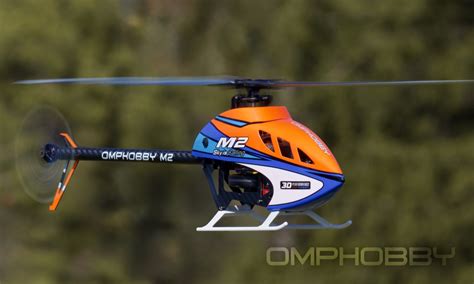
Mid-size helis (200–250 class) fill the gap between toy micros and large machines. These often have rotor diameters 350–400mm and weigh more, so they handle wind better and have longer flight times. A notable example is the OMP Hobby M2 (200mm class). The M2 uses 175mm blades but “flies bigger” than it looks – in fact it behaves more like a 400-size helicopter. It includes modern features (solid stabilization, brushless motors, direct-drive main motor) so performance is surprisingly high. Many pilots find the 200s a “perfect middle child”: not as intimidating or costly as a 400, but significantly more capable than a micro. For example, if a 400-size feels too big for your space or budget but you want more than a tiny micro, a 200 (like the OMP M2 or the similar GooSky S2) is an excellent choice. These mid-size CP helicopters can often fly 7–10 minutes on a charge and handle moderate wind, yet still cost under $300 for a basic kit.
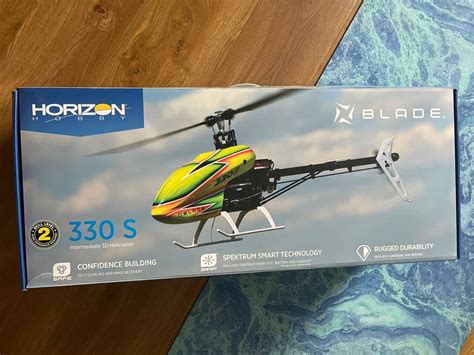
By comparison, large helis (400–450 class) are what many consider the standard “hobby” size. Models like the Blade 330S or the Align T-Rex 450LP spin rotors around 300–330mm and run on 3S or 4S LiPo packs. A 400-size heli has several benefits: it’s big enough to see clearly in the sky, stable in light wind, and it provides long flight durations (typically 6–10 minutes per battery). Importantly, the 400 class offers the best rotor size per dollar of all CP helis. Flight schools and instructors often recommend starting here for serious learners, since a 400-size “flies and behaves like larger RC helicopters” while still being affordable. For example, the Blade 330S and Align 450LP are both cited as excellent Ready-To-Fly choices in this class. The Align 450LP package even includes a high-quality transmitter and charger, making it very beginner-friendly. However, large helis do require big open spaces to fly safely and can be expensive (a good 400-size package may cost $500 or more). If you have limited park space or a tight budget, a smaller heli might be a better match.
Beginner RC Helicopter Recommendations
Given the many options, what do we recommend for new pilots? If the hobby is brand-new to you (or you’re buying for a child), starting with a toy or micro fixed-pitch model is often wise. A simple coaxial toy or a micro fixed-pitch heli (like the popular C129/Eachine E129) is very low cost and gives you the basics of controlling an RC helicopter. These entry-level machines can get you comfortable with the transmitter and hovering without breaking your wallet. For example, the Syma S107 is a classic toy model that many beginners use as their first bird.
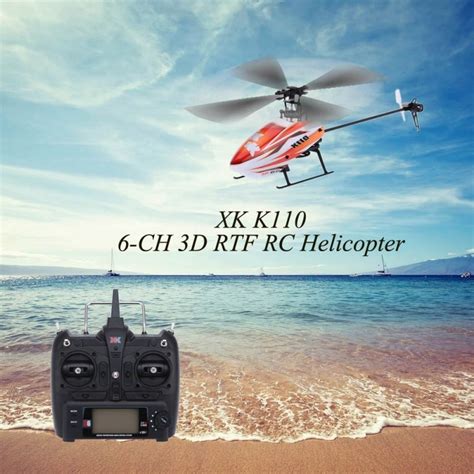
Once comfortable, a micro collective-pitch helicopter is the next step for many. Modern micro-CP models (roughly 100–150 size) have shown great success as trainer helis. They are very light (crash-resistant) and inexpensive to repair. Examples include the XK K110 and the OMP Hobby M1 – both are tiny CP helis with good electronic stabilization. Many people have taught themselves 3D flight on these micros. In fact, “there’s no question, if you can fly a somewhat reactive 100 size CP heli, you’ll be able to fly any size heli”. We especially note the XK K110 and OMP M1 because they come ready-to-fly and are popular among self-taught pilots.
For slightly more capability (but still beginner-friendly), 200-size CP helis deserve attention. If the micro is too small to see, the OMP Hobby M2 (or its updated M2 EVO) is an outstanding choice. It features an excellent brushless tail motor for solid yaw control (unlike cheap brushed tails that tend to burn out). In fact, reviewers praise the M2 for giving 400-size performance in a 200 package – it “flies bigger” than its sticker price suggests. Similarly, the GooSky S2 (a Chinese clone of the M2) offers good value with direct-drive motors and stable electronics. So if you want a serious learning platform without the full cost of a 400, these 200s are some of our favorites.
Finally, 400–450-size helis (like the Blade 330S, Align 450LP or similar) are excellent for pilots with space and budget to match. They are large enough to see and stable in light wind, with long flight times and readily available spare parts. The Blade 330S (Bind-N-Fly) is often cited as a top pick because it flies well and is cost-effective. The Align Trex 450LP RTF kit is another top contender: it comes from a top brand and includes a good radio, making setup easier. The 450LP’s advantages – long flight times, easy maintenance, and good value – were explicitly noted by experts as “best overall value” in this size class. In short, if you know you’re committed to the hobby and have open flying space, a 400–450 size is a great long-term investment.
RC Helicopter Radio Systems and Controls
It’s easy to overlook, but the transmitter (radio controller) is every bit as important as the helicopter itself. The radio is “the single most important piece of equipment you will own in this hobby”, because without a good radio you literally cannot fly. Modern RC helicopters (especially collective-pitch models) depend on computer radios to mix channels, manage stabilization, and provide telemetry. A programmable 2.4GHz radio with multiple channels lets you store different model setups and adjust swashplate geometry, gyro gains, fail-safes, etc. In fact, you often hear that there’s “no computer radio option if you want to correctly setup your CP heli”. By contrast, the cheapest beginner helis often come with toy-style 2-channel radios. Using one of those on a CP model can be a disaster: you’ll be stuck with minimal mixing options and the heli will feel like it’s on training wheels. Experts warn: get lured by a flashy helicopter with a “toy-like radio (transmitter)…that will not allow you to set the helicopter up correctly. You’ll be stuck with constant upgrades” and frustration.
We strongly recommend investing in a name-brand, computerized radio system from the start. Brands like Spektrum (Futaba, JR, FrSky, etc.) offer multi-channel 2.4GHz radios with model memory and voice alerts. For example, the Spektrum DX6e (6 channels) or DX8 (8 channels) are commonly suggested for beginners. Spektrum is especially popular in helis because so many flybarless gyro systems support it. Its ubiquity means you can get help easily at any hobby shop or flying club. Voice alerts on these radios will even announce things like low battery or signal loss, which is extremely handy. While knock-off radios exist, going with a well-supported brand saves headaches: you get warranties, consistent build quality, and the ability to use one radio for all your models (plane, helicopter, etc.). (As one guide put it: a decent 6-channel 2.4GHz computer radio now costs less than a basic 4-channel radio did 30 years ago – amazing value.) In short, plan your budget for a good computerized transmitter right away. It will be your flying partner for years and is a key factor in doing well in this hobby.
We note that the radio learning curve itself can be steep. Many new pilots ask if an OpenTX-style (FrSky/Taranis) radio is a good idea. Those radios are powerful and inexpensive, but their programming can overwhelm beginners. Unless you have an experienced mentor, it’s wiser to start with a simpler brand-specific radio.
Learning Curve and Training Aids
One of the most important things to understand is that learning to fly RC helicopters – especially collective-pitch – is a substantial commitment. Unlike RC cars or even planes, helicopter control is very dynamic. As noted earlier, CP helis are inherently unstable: you must make constant simultaneous corrections on throttle, yaw, pitch, and roll to keep a heli hovering. Many pilots describe it as an immersive, “active piloting” experience. In fact, the veteran instructor sums it up: successfully getting into CP “is more about the journey than the destination. It’s a never-ending learning curve… you are constantly honing your skills & knowledge”. In practical terms, this means you should prepare to spend time practicing.
Before even taking your heli outside, we strongly encourage using training tools. A good RC flight simulator (with a cheap radio trainer cable) is essentially mandatory these days. A simulator lets you learn the controls in a risk-free environment, building muscle memory. Some say the “best RC helicopter” when first starting out is actually an RC simulator. Along with a simulator, there are many online tutorials, “heli school” lesson plans and eBooks available that teach fundamental concepts step-by-step. For example, we recommend studying a setup & tips guide or a beginner’s guide to know all the terminology and procedures before you put a brand-new heli in the air. If you plan to self-learn, consider following a structured approach (preflight checks, blade tracking, low hover exercises, etc.) much like a flight school. And if you have access, getting at least a few lessons from an experienced RC helicopter instructor can save you many crashes. There is no shame in admitting that RC helicopters have one of the steepest learning curves of model aircraft – but with patience and the right preparation (simulator practice, small touch-down areas, etc.), virtually anyone can master it.
Brand Reliability and Parts Availability
Regardless of type or size, parts availability and brand support are critical. An RC helicopter has a lot of small mechanical parts, and inevitably you will need spares or replacements after crashes. It doesn’t matter how careful you are: if replacement parts are hard to get, that helicopter will sit broken on your shelf. One RC expert bluntly warns: if you can’t source parts locally or get them shipped quickly, “your helicopter is nothing more than a costly paper weight”. For this reason, we advise sticking to well-known brands whenever possible. Big-name manufacturers like Align, Blade (Horizon), OMP, Hirobo, Gaui, etc., have the advantage of large production runs and extensive dealer networks. Models from these brands often have long production lifespans and many aftermarket parts available. For example, Align helicopters (like the Trex series) are famous in the heli community, and the author of our source literally says his two favorite brands are Align and OMP Hobby. That isn’t marketing – he genuinely spends his own money on them – so it speaks to the reliability and support he finds with these companies.
Because of brand loyalty, shops and clubs also tend to carry compatible parts. If you have a local hobby shop that sells RC helis, find out which brands they support. Join a local RC heli club and see what gear the experienced pilots use. If everyone at your club flies Align helis, chances are you’ll get timely advice and spare parts if you choose the same. On the other hand, if you pick an obscure or short-lived model, you may find yourself waiting months for components or forced to buy a whole new helicopter when something breaks. In addition to parts availability, brand affects resale value: respected brands maintain their value, whereas unknown clones can become worthless when discontinued. In summary, the “best” heli in terms of longevity is one from a reputable brand with strong aftermarket support.
Choosing the Best RC Helicopter for You
Bringing it all together, remember that the ideal RC helicopter is the one that fits your needs. We’ve seen that toy and micro fixed-pitch helis are cheap and easy but limited; collective-pitch helis offer amazing performance but require skill and investment. As you evaluate your options, ask yourself some of the key questions laid out by RC experts: What flight capabilities do I want? How much budget do I have for the helicopter and a quality transmitter? Do I have a spare room or yard (or just a small park) to fly? Will I learn from an instructor or go it alone? How important is having local parts support?. For example, if you have only a small backyard and no one to teach you, starting with a micro coaxial or an entry-level fixed-pitch model makes sense. If you have club support and a big field, jumping into a 400-size collective-pitch with a buddy may be feasible.
Finally, keep in mind that every model has trade-offs. No RC helicopter will check all boxes of cost, performance, and simplicity. If you truly desire the fastest, most aerobatic model, be prepared for complexity and maintenance. If you just want easy hovering fun, a toy or micro may be the answer. All these factors – from type (toy/FP/CP) to size, equipment, and brand – must be balanced. We hope this comprehensive guide has given you the insight to make an informed choice. The best RC helicopter for you is the one that matches your goals, budget, and dedication level, not simply the one with the flashiest advertising. Good luck, fly safely, and enjoy the incredible journey of piloting your new helicopter!