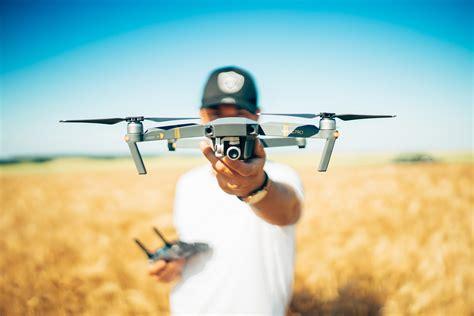
Buying your first drone can feel like stepping into a world of jargon, options, and price points that swing wildly from toy-grade flyers to professional aerial cinematography rigs. If you’re a beginner looking to spend under $200, you’re not alone — it’s one of the most common price points for newcomers, and Amazon is often the first (and easiest) place people turn to for a quick purchase. But is $200 enough? And what can you reasonably expect at that price point? Let’s break it down in this comprehensive guide to the best drones to buy on Amazon.
Understanding the Budget Drone Market
Drones under $200 are often categorized as “toy drones” or “entry-level recreational drones.” At this price, you’re paying mostly for the shell, a basic battery, a rudimentary camera, and limited flight stabilization. GPS support, gimbal-stabilized video, and high-resolution imaging are luxuries not typically seen here. What you’re getting, however, is an introduction to flight dynamics and aerial perspective — a chance to test your skills without the gut-wrenching fear of crashing a $1,000 drone.
It’s critical to note that Amazon listings for drones in this price range are flooded with similar-looking models from lesser-known brands, each boasting impressive-sounding specs. But specs can be misleading, and marketing is often inflated. As several seasoned users in drone forums note, drones in this budget tier may only last weeks or months, especially if subjected to frequent outdoor flying in windy conditions.
What to Expect From a Sub-$200 Drone
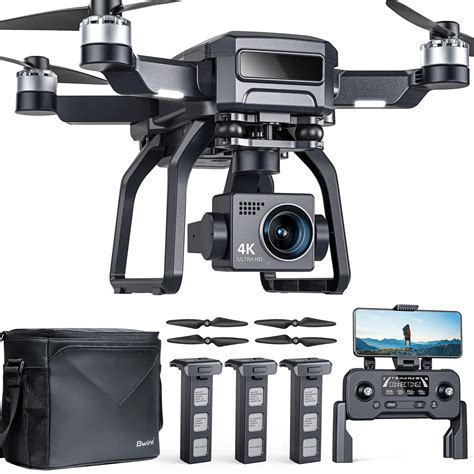
Let’s set expectations clearly. For under $200, you’re most likely getting:
- A 720p to 1080p camera, often fixed in position
- Flight time of 10 to 15 minutes per battery
- A range of 100–300 meters, often less in practice
- No gimbal, which means shaky video footage
- Basic stabilization, typically gyro-only
- Lightweight build, prone to wind drift
- Plastic build, not rugged but light enough to survive minor crashes
This class of drone is best used for casual video, short-range flying, and learning how to fly before investing in more expensive gear. If your expectations are aligned, the right drone can offer tons of fun and an excellent learning experience.
Top Pick: Potensic Atom SE — A Standout in the Sub-$200 Class
While most budget drones are best categorized as glorified toys, the Potensic Atom SE is a refreshing outlier. Retailing just over $200 (often found on sale for under), it offers GPS support, a 4K EIS camera, and up to 31 minutes of flight time — all of which are virtually unheard of at this price.
Key features:
- 4K EIS camera (Electronic Image Stabilization)
- 31-minute battery life
- Return-to-home functionality
- Foldable, compact design
- GPS + Optical Flow positioning
Although it lacks a mechanical gimbal, the EIS does a passable job stabilizing video. For beginners who want to fly without being tethered to Wi-Fi and enjoy some intelligent flight modes like follow-me and waypoint navigation, this drone punches well above its weight.
Alternative Picks Worth Considering
Holy Stone HS720E
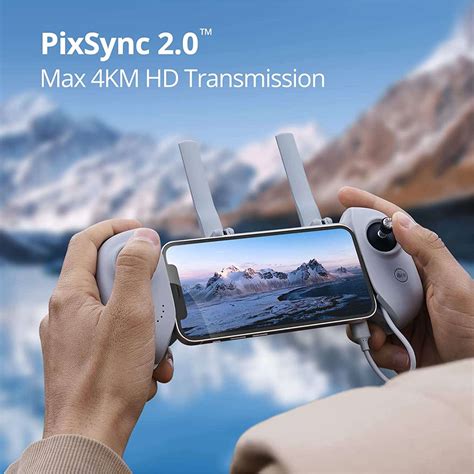
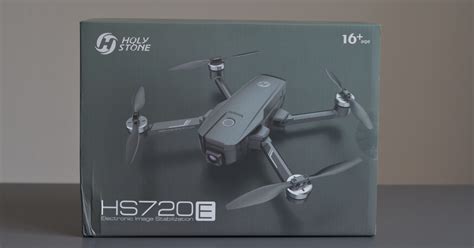
At just over the $200 mark, the Holy Stone HS720E is a consumer favorite. With 4K EIS, GPS-assisted flight, and a more substantial frame, it delivers a semi-professional feel. The build quality is better than many competitors, but the lack of gimbal again limits video stability. Expect 23–26 minutes of flight time and a robust controller with a built-in phone mount.
Ryze Tello (Powered by DJI)
If portability and durability matter more than camera quality, the Ryze Tello offers a very different value proposition. Co-engineered with DJI, it features surprisingly stable flight despite lacking GPS. It’s flown via smartphone or controller (sold separately), making it ultra-light and simple. The downside? The video is 720p, Wi-Fi streamed, and prone to lag.
Best for indoor flying, classroom learning, or hobbyists tinkering with drone coding kits (yes, it supports programming via Scratch), the Tello is perfect for STEM-minded beginners.
Why DJI Drones Dominate the Conversation
In every drone-buying conversation — beginner or pro — DJI looms large. There’s a reason even Reddit threads are filled with comments like “Just save up for a DJI Mini”. DJI drones are so far ahead in flight stability, camera quality, build precision, and support ecosystem that they often make budget drones feel obsolete.
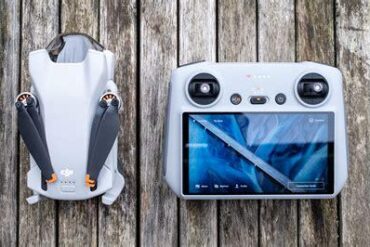
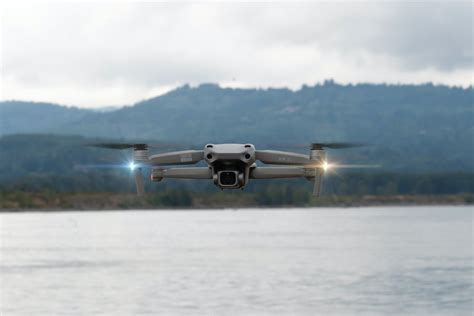
The DJI Mini 2 SE, for instance, offers 2.7K video, a 3-axis gimbal, GPS stabilization, and an extremely compact design under 249 grams — making it exempt from FAA registration. While it’s out of the $200 range, it’s frequently suggested for buyers willing to stretch their budget to avoid the pitfalls of disposable gear.
Used Drones: An Overlooked Middle Ground
If you’re dead-set on quality but strapped by a $200 limit, buying used may be your best option. Platforms like eBay, Facebook Marketplace, or even Reddit’s drone trading forums offer DJI Minis, Sparks, or Mavic Airs at discounted rates. It’s crucial, however, to verify battery health, flight history, and ensure that any second-hand drone isn’t locked via DJI’s FlySafe systems.
Used drones can offer a real value leap, allowing you to own a drone with a gimbal, GPS, and high-quality camera without waiting months to save more.
Red Flags to Avoid When Shopping on Amazon
Not all drones on Amazon are created equal. Watch out for these warning signs:
- Too-good-to-be-true specs: Claims of 4K video and 30-minute flight time on a $70 drone are almost always fake.
- Fake reviews: Look for verified purchases and read reviews for mentions of crashes, range issues, and camera lies.
- No-name brands: Some unknown brands rebrand identical models with different names. Stick to names like Potensic, Holy Stone, Ryze, or SNAPTAIN.
- No warranty or support: If the brand doesn’t have a support website, consider it a red flag.
Flying Legal: What You Should Know Before Liftoff
Even a $100 drone can get you into legal trouble if you’re unaware of FAA regulations. In the U.S.:
- Drones over 249g must be registered with the FAA.
- Recreational flying still requires the operator to pass the TRUST test — a free, quick online safety course.
- No-fly zones include near airports, stadiums, or government facilities.
- Line-of-sight flight is mandatory.
Check the B4UFLY app for real-time airspace status. And if your drone has a camera, be mindful of privacy laws in your state.
Conclusion: Spend Smart or Save More?
If you’re a beginner looking for a fun introduction to drones, buying a sub-$200 model like the Potensic Atom SE or Holy Stone HS720E can be immensely rewarding — just temper your expectations. These drones can teach you flight control, shooting angles, and help you decide if you want to move up the ranks.
However, if video quality, flight reliability, and long-term satisfaction are critical, saving up for a DJI Mini series drone will give you access to a completely different tier of performance. Many users end up regretting their first “cheap drone” because it either breaks quickly or fails to meet expectations.
So ask yourself — are you here to play, or are you building toward serious aerial photography? Your answer should guide your purchase.
For most beginners who simply want to dabble, fly around, and experiment, a solid, well-reviewed drone under $200 can still provide hours of fun and an exciting intro into the world of flight.
Happy flying, and may your propellers always spin true.