The latest wave of Pentagon contracts has delivered over $7 billion in new defense business to Boeing, reinforcing the company’s position as a core supplier of America’s military aviation backbone. The orders combine a massive refresh of the AH-64E Apache attack helicopter fleet for the US Army and foreign allies, alongside a new lot of KC-46A Pegasus tankers destined for the US Air Force. Together, these deals strengthen manufacturing stability across two of Boeing’s most strategically significant defense programs while injecting confidence into long-range planning for the coming decade.
The scope of these purchases signals far more than routine acquisitions. They reflect the Pentagon’s growing urgency to maintain combat-credible aviation assets, modernize aging platforms, and ensure supply chains remain intact amid rising geopolitical volatility. For Boeing, the influx of funds helps lock in production continuity from its Arizona and Washington facilities at a moment when the company is balancing commercial recovery with defense-sector performance.
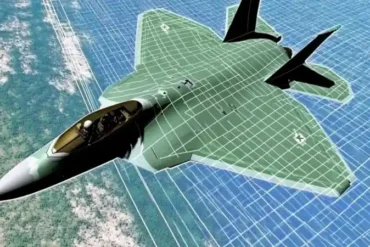
The dual contracts also highlight shifting priorities in Washington: reliable, upgradable, and field-proven aircraft increasingly outweigh experimental next-generation developments still struggling to mature.
Massive $4.69B Order Revitalizes AH-64E Apache Production Strategy
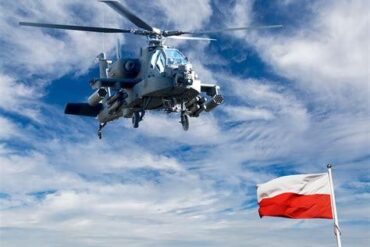
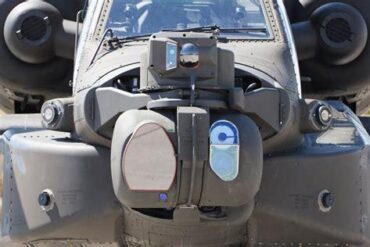
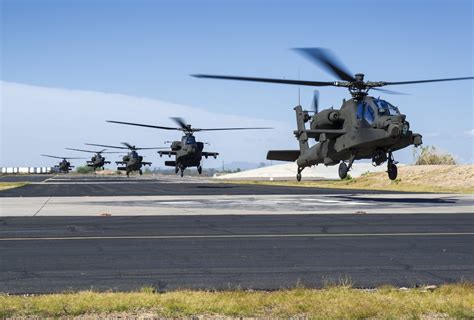
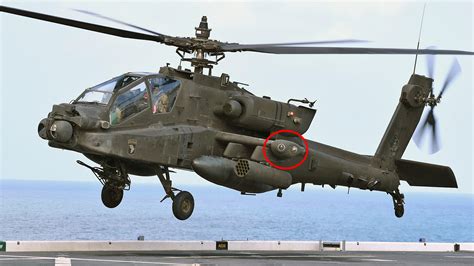
The heart of the $7B award lies in a sweeping $4.69 billion firm-fixed-price contract dedicated to the production of new-build AH-64E Apache helicopters. Built in Mesa, Arizona, the aircraft will continue their longstanding role as the US Army’s principal attack helicopter, a position they have held for nearly forty years. The new order bundles full aircraft production with a suite of Longbow crew trainers, mission-essential components, spares, and sustainment equipment.
Foreign Military Sales account for nearly half of the total funding, with partners such as Poland, Egypt, and Kuwait contributing almost $2.3 billion toward the purchase. This demonstrates the Apache’s enduring relevance as a global combat aircraft, with more than 1,280 units operating worldwide.
The AH-64E, the most advanced iteration of the platform, brings major improvements to sensors, weapons integration, survivability, and battlefield networking. Thanks to its modular, upgrade-ready architecture, the E-model is projected to stay in frontline service well into the 2060s, making it one of the longest-serving attack helicopter families in history.
KC-46A Pegasus Lands $2.47B Boost as USAF Expands Tanker Fleet
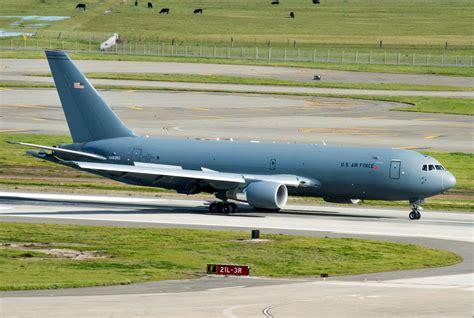
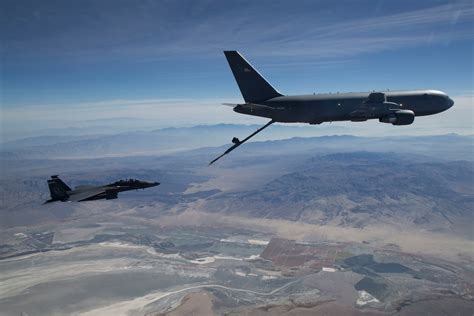
The second major contract, worth $2.47 billion, authorizes 15 additional KC-46A Pegasus tankers under the Air Force’s Lot 12 procurement. Built in Seattle, these aircraft are scheduled for completion by June 2029, strengthening a tanker fleet undergoing its most significant transition since the Cold War.
Congress currently caps KC-46 acquisitions at 183 aircraft, though the Air Force is now signaling a clear appetite for as many as 263 Pegasus tankers as the planned Next Generation Aerial Refueler program faces delays and potential cancellation. For now, the KC-46 remains the most realistic path toward sustaining global refueling capability, especially as legacy KC-135 and KC-10 fleets continue aging.
Boeing confirms that 183 KC-46s are now either in service or under contract worldwide. Of the 108 operational airframes, 98 belong to the US Air Force, with others flying for Japan’s Air Self-Defense Force and Israel’s Air Force. Since deliveries began in 2019, the type has accumulated more than 150,000 flight hours, a milestone underscoring its increasing reliability and expanding operational footprint.
Pentagon Orders Reinforce Production Stability for Key Defense Programs
The dual procurement strategy carries deep significance for Boeing’s defense division. As highlighted by KC-46 program leadership, these awards ensure critical supply chain continuity and preserve highly specialized industrial capacity. Long-lead components—often requiring years of preparation—can proceed without disruption, safeguarding everything from avionics suppliers to composite manufacturers.
Boeing Defense, Space & Security remains one of America’s largest military contractors, generating over $31 billion in defense revenue in 2024. These new awards contribute to the company’s broader stabilization efforts as it continues to grapple with commercial challenges, including the costly setbacks associated with the 777X program.
Yet, with the renewed momentum across helicopters and tankers, Boeing is positioned to deliver its highest annual aircraft output since 2018. The fresh Pentagon funding reinforces not only its near-term stability but also the long-range viability of two aircraft families set to shape US military aviation for decades.
A Strategic Win That Extends Far Beyond the Numbers
The $7B award is a tactical victory for Boeing, but its deeper meaning lies in the Pentagon’s unmistakable signal: proven, highly adaptable platforms like the AH-64E and KC-46 remain indispensable to America’s global posture. In an era defined by rapid technological churn and geopolitical unpredictability, the US military is doubling down on systems that deliver both reliability and upgradability.
The Apache gives ground forces unmatched attack precision, while the Pegasus ensures global reach for fighters, bombers, transports, and strategic assets. Together, these platforms form critical arteries in America’s combat ecosystem. With fresh funding secured, their long-term relevance is not just preserved — it is undeniably strengthened.