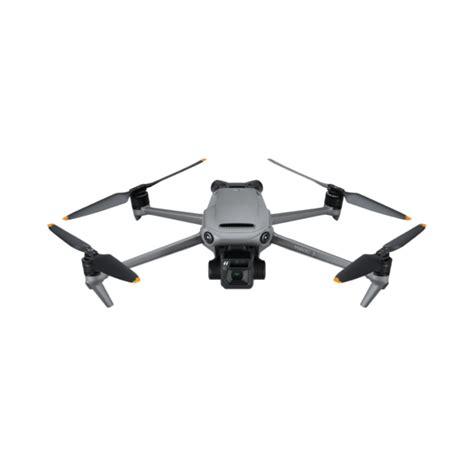
Long Range Drones are sophisticated aerial vehicles built for covering vast distances and offering extended flight durations. These features make them perfect for tasks like agricultural surveys, environmental monitoring, mapping missions, and more. There are different types of long-range drones, each designed for specific tasks. This article will explore various types of long-range drones, including FPV drones, camera drones, fixed-wing drones, VTOL drones, and commercial drones. You will discover their key specifications, capabilities, and ideal uses, helping you make an informed decision when choosing a drone.
Long Range FPV Drones
| Product | Max Transmission Range | Max Flight Time |
|---|---|---|
| iFlight Titan XL5 6S HD | 5 km (3.1 miles) | 8 minutes |
| DJI FPV | 10 km (6.2 miles) | 20 minutes |
| DJI Avata 2 | 13 km (8.1 miles) | 23 minutes |
Long Range Drones with Camera
| Product | Max Transmission Range | Max Flight Time |
|---|---|---|
| DJI Mini 4 Pro | 20 km (12.4 miles) | 45 minutes |
| DJI Air 3 | 20 km (12.4 miles) | 46 minutes |
| Autel Robotics EVO Lite+ | 11.9 km (7.4 miles) | 40 minutes |
| DJI Mavic 3 Pro | 15 km (9.3 miles) | 43 minutes |
Long Range Fixed-Wing Drones
| Product | Max Transmission Range | Max Flight Time |
|---|---|---|
| Delair UX11 | 53 km (32.9 miles) | 59 minutes |
| Albatross UAV | 100 km (62.1 miles) | 240 minutes |
Long Range VTOL Drones
| Product | Max Transmission Range | Max Flight Time |
|---|---|---|
| T-DRONES VA23 | 30 km (18.6 miles) | 240 minutes |
| T-DRONES VA25 | 30 km (18.6 miles) | 240 minutes |
| Autel Dragonfish Pro | 30 km (18.6 miles) | 158 minutes |
| JOUAV CW-30E | 200 km (124.3 miles) | 480 minutes |
Note: The maximum range of the recommended remote control PIXHAWK H16Pro for T-DRONES frames is 30 km. For greater transmission range, additional remote controls may be added to extend control distance.
Long Range Commercial Drones
| Product | Max Transmission Range | Max Flight Time |
|---|---|---|
| T-DRONES M690Pro | 30 km (18.6 miles) | 89 minutes |
| T-DRONES M1200 | 30 km (18.6 miles) | 107 minutes |
| T-DRONES MX860 | 30 km (18.6 miles) | 74 minutes |
| DJI Matrice 300 RTK | 15 km (9.3 miles) | 55 minutes |
In the next sections, we will guide you in choosing the best long-range drone, detailing parameters, features, and the ideal applications of the 17 best long-range drones in 2024.
What Type of Drone is Best for Long-Distance Flying?
Different types of drones offer various advantages for long-distance flying, depending on their design and functionality. Knowing the differences helps you choose the best drone for your needs.
Fixed-Wing Drones
Fixed-wing drones are known for their efficiency and extended flight times. They are ideal for covering large areas, making them perfect for tasks like agricultural surveys, mapping, and environmental monitoring.
Multirotor Drones
Multirotor drones, including quadcopters, are appreciated for their stability and maneuverability. While they typically have shorter flight times compared to fixed-wing drones, their ability to hover and maintain precise control makes them great for detailed inspections and aerial photography.
VTOL (Vertical Takeoff and Landing) Drones
VTOL drones combine the benefits of fixed-wing and multirotor designs. They offer both vertical takeoff and efficient forward flight, making them versatile and suitable for use in confined spaces.
How to Choose the Best Long-Range Drone
When selecting a long-range drone, several important factors ensure you get the best performance and reliability.
Flight Range
Flight range is a crucial factor when picking a long-range drone. Look for drones with extensive ranges that allow you to cover large areas without losing connection. Choose a range that meets your specific needs, whether for mapping, surveying, or recreational flying.
Transmission Quality and Stability
Clear and stable video transmission is essential for smooth navigation and image capture over long distances. Opt for drones with high-gain antennas and dual-frequency systems to boost signal strength and reduce interference.
Battery Performance
The drone’s battery performance is key to determining how far and how long it can fly. Choose drones with strong battery capacity to ensure long flight times and the ability to carry heavier payloads, ideal for tasks like mapping or surveillance.
Anti-Interference Capabilities
Anti-interference features are critical for maintaining a stable connection, especially in areas with high electromagnetic interference. Dual-frequency systems that switch between 2.4GHz and 5.8GHz frequencies help avoid signal disruptions and ensure reliable long-distance flights.
Intelligent Functions and Safety Features
Smart features like “Return to Home” and autonomous flight modes enhance the safety and efficiency of long-range drones. These features help drones navigate complex routes, avoid obstacles, and return safely if control is lost or battery levels are low.
Camera Capabilities
For tasks like aerial photography and videography, high-resolution cameras are a must. Look for drones with advanced gimbals for steady shots, zoom lenses for detailed images, and dual cameras for versatile shooting modes like slow motion or night vision.
Product Quality
The build quality of the drone is vital for long-term durability. Drones made from durable materials and weather-resistant designs are better suited for long-range missions. A high-quality construction ensures the drone can handle various environmental conditions and potential impacts.
Price
Price is a significant factor to consider when selecting a drone. While premium models offer more features and better performance, they come at a higher cost. Find a drone that offers the best value for money, balancing price, performance, and features.
Top 17 Long-Range Drones in 2025
Long Range FPV Drones
| Product | Max Transmission Range | Max Flight Time | Dimensions (L×W×H) | Take Off Weight | Max Speed |
|---|---|---|---|---|---|
| iFlight Titan XL5 6S HD | 5 km (3.1 miles) | 8 minutes | 180×180×80 mm | 620 g | 130 km/h |
| DJI FPV | 10 km (6.2 miles) | 20 minutes | 255×312×127 mm | 295 g | 140.4 km/h |
| DJI Avata 2 | 13 km (8.1 miles) | 23 minutes | 185×212×64 mm | 145 g | 97.2 km/h |
iFlight Titan XL5 6S HD
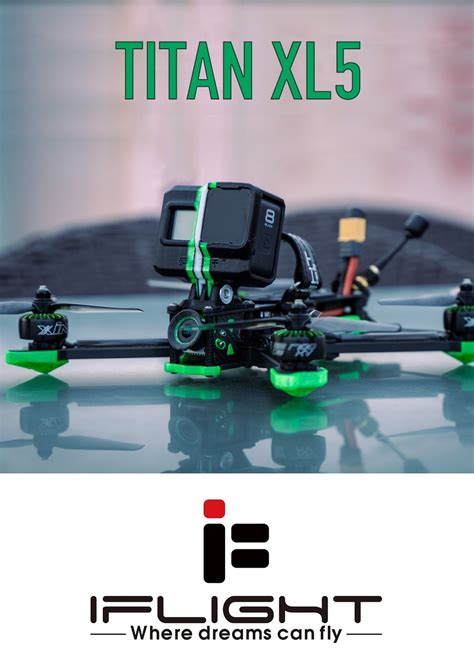
The iFlight Titan XL5 6S HD is a robust 5″ quadcopter designed for freestyle flying. It features the Runcam Link Wasp Digital HD System and Nazgul 5″ 3-Blade propellers, providing high power and performance. Equipped with 1800KV motors and a BLITZ F7 Flight Controller, this drone is ready-to-fly (RTF), optimized for precise control and speed. Ideal for freestyle enthusiasts, it offers a thrilling flight experience with great speed and agility.
Pros
- High-quality XING 2208 motors
- Durable 5mm arm design
- Easy-swap arms
Cons
- Short flight time (around 8 minutes)
- Heavier compared to other models
DJI FPV
The DJI FPV merges the thrill of high-speed flying with the user-friendly technology DJI is known for. It boasts a sleek, non-foldable frame and comes with a 4K camera capable of 60fps video recording. Featuring three flight modes—Normal, Sport, and Manual—it caters to both beginners and advanced pilots. With a 10 km transmission range and 20-minute flight time, it’s an excellent choice for drone enthusiasts and videographers seeking immersive footage.
Pros
- Excellent build quality
- Great ergonomics of controllers
- Fast and agile, with good obstacle avoidance
Cons
- High cost of accessories
- Short real-world flight time (10 mins)
- Props visible in video
DJI Avata 2
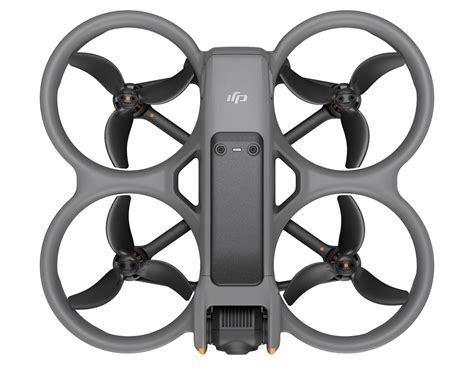
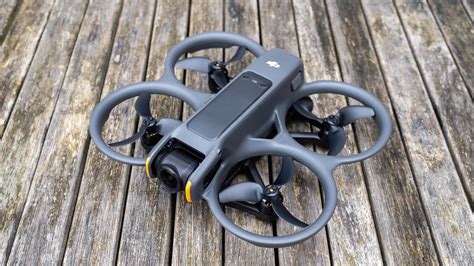
The DJI Avata 2 is an advanced FPV drone that delivers smooth, thrilling flights. With a cinewhoop-style design, it comes equipped with propeller guards for added safety. Its 12MP camera records 4K video at 60fps, providing up to 23 minutes of flight time. The drone offers two controller options: the Motion 3 Controller for easy flying and the FPV Remote Controller 3 for more advanced manual control. Whether you’re a beginner or experienced pilot, the Avata 2 offers a high-quality FPV experience backed by DJI’s intuitive technology.
Pros
- Easy to set up and use
- Excellent camera quality
- Long battery life
Cons
- Not ideal for stills photography
- Heavy weight restricts flight locations in some regions
- Manual mode takes time to master
Long Range Drone with Camera
| Product | Max Transmission Range | Max Flight Time | Dimensions | Take Off Weight | Max Speed |
|---|---|---|---|---|---|
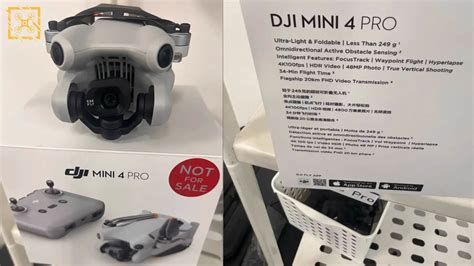
| DJI Mini 4 Pro | 20 km (12.4 miles) | 45 minutes | Folded: 148×94×64 mm | < 249 g | 57.6 km/h |
| DJI Air 3 | 20 km (12.4 miles) | 46 minutes | Folded: 207×100.5×91.1 mm | 720 g | 75.6 km/h |
| Autel Robotics EVO Lite+ | 11.9 km (7.4 miles) | 40 minutes | Folded: 210×123×95 mm | 835 g | 64.8 km/h |
| DJI Mavic 3 Pro | 15 km (9.3 miles) | 43 minutes | Folded: 231.1×98×95.4 mm | 958 g | 75.6 km/h |
DJI Mini 4 Pro
The DJI Mini 4 Pro is a small, lightweight drone perfect for beginners. It offers great portability, 4K video recording, vertical video mode, and a full obstacle avoidance system. Its compact design lets it bypass many regulatory restrictions, making it an excellent choice for new users.
Pros
- Lightweight, portable
- 4K video recording
- Vertical video mode for social media
- Good obstacle avoidance.
Cons
- No AirSense transponder
- Not as powerful as larger drones
- Fixed aperture on camera
- Slightly more expensive than competitors.
DJI Air 3
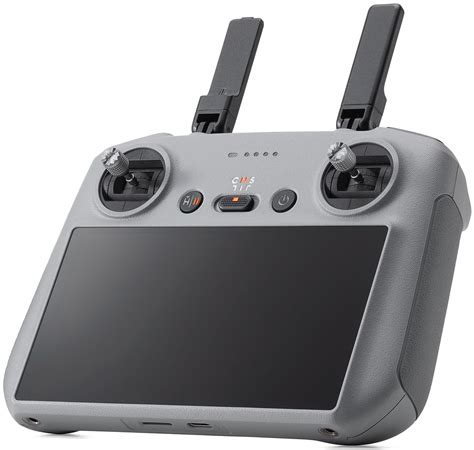
The DJI Air 3 offers versatility with dual cameras and superb obstacle avoidance. With an extended flight time and impressive transmission range, it’s perfect for capturing high-quality images and videos over long distances. It’s designed for both amateur and professional pilots who need a reliable drone with advanced features.
Pros
- Dual-camera system
- excellent obstacle avoidance
- long battery life
- 4K video capture
Cons
- Heavier than its predecessor
- More expensive than other mid-range drones
- Requires FAA registration
- Limited internal storage.
Autel Robotics EVO Lite+
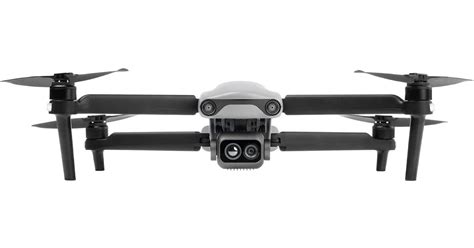
The Autel EVO Lite+ is a well-rounded drone with a durable build and 6K camera capabilities. Its adjustable aperture makes it great for various lighting conditions. With smart tracking and three-way collision sensing, it’s a solid choice for both beginners and experienced users.
Pros
- 6K video resolution
- Tracking features
- Sturdy build
- Long battery life
- Night mode for low-light conditions
Cons
- Tracking doesn’t follow vehicles, no side or top sensors, visible props in Ludicrous Mode, controller doesn’t charge phone.
DJI Mavic 3 Pro
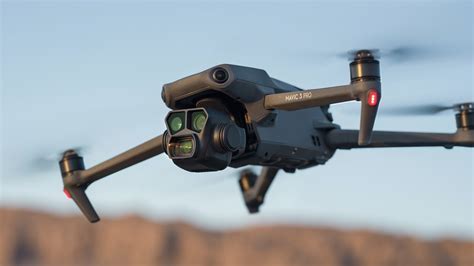
The DJI Mavic 3 Pro excels with its triple-camera system, including a high-quality Hasselblad camera. It offers advanced features like omnidirectional collision avoidance and ActiveTrack 5.0, making it ideal for complex shooting scenarios. Its longer flight time and transmission range further enhance its professional capabilities.
Pros
- Triple-camera system
- Excellent image quality
- Advanced tracking
- Long flight time
- Comprehensive safety features.
Cons
- High price for casual users
- Large size makes it less portable
- Reduced flight time compared to competitors.
Long Range Fixed Wing Drone
| Product | Max Transmission Range | Max Flight Time | Dimensions | Take Off Weight | Max Speed |
|---|---|---|---|---|---|
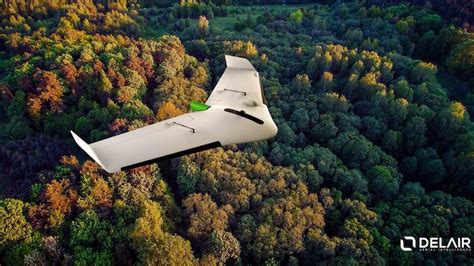
| Delair UX11 | 53 km (32.9 miles) | 59 minutes | Wingspan: 1200 mm | 1.5 kg | 54 km/h |
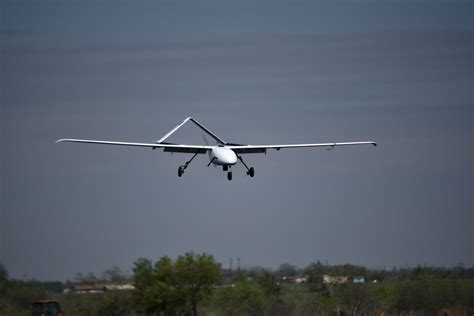
| Albatross UAV | 100 km (62.1 miles) | 240 minutes | Wingspan: 3000 mm | 3.5 kg | 129 km/h |
Delair UX11
The Delair UX11 is designed for high-precision mapping and surveying tasks. It’s compact, portable, and equipped with advanced GNSS for centimeter-level accuracy, ideal for professionals who need precise data over large areas.
Pros
- High-precision GNSS
- Lightweight
- Compact, user-friendly
Cons
- Shorter flight time
- Limited payload
- Moderate speed
Albatross UAV
The Albatross UAV is a long-range fixed-wing drone that excels in commercial applications. With a 3-meter wingspan and up to 4 hours of flight time, it offers excellent endurance and coverage. Customizable payloads and sensors make it ideal for complex missions.
Pros
- Long flight endurance
- High payload capacity
- Customizable, robust design
Cons
- High initial cost
- Requires large takeoff and landing areas
- More complex to operate
Long Range VTOL Drone
| Product | Max Transmission Range | Max Flight Time | Dimensions | Take Off Weight | Max Speed |
|---|---|---|---|---|---|
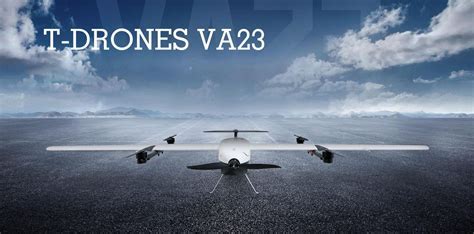
| T-DRONES VA23 | 30 km (18.6 miles) | 240 minutes | Frame length: 1250 mm | 12.5 kg | 126 km/h |
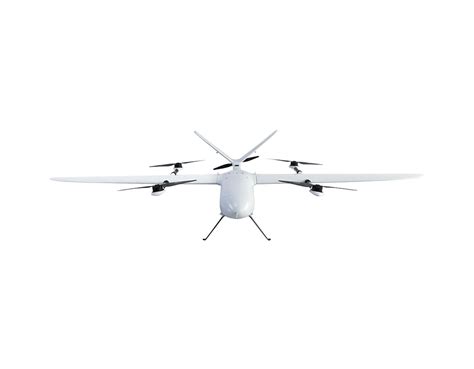
| T-DRONES VA25 | 30 km (18.6 miles) | 240 minutes | Frame length: 1560 mm | 13 kg | 120 km/h |
| Autel Dragonfish Pro | 30 km (18.6 miles) | 158 minutes | 1650×3040×460 mm | 17kg | 108 km/h |
| JOUAV CW-30E | 200 km (124.3 miles) | 480 minutes | Frame length: 2400 mm | 38kg | 90 km/h |
T-DRONES VA23
T-DRONES VA23 is a high-endurance VTOL fixed-wing UAV that offers an impressive flight time of up to 240 minutes. The lightweight carbon fiber frame boosts its strength and flight performance. It also includes a power management module and a locking propeller system for safer, more stable flights. The design allows for quick disassembly and easy transport, enabling assembly within three minutes. This drone is ideal for long-duration aerial missions that need easy deployment and high endurance.
Pros
- Long flight endurance (240 minutes)
- Lightweight carbon fiber frame
- Easy to transport and assemble
- Safe and reliable with locking propeller design
Cons
- Limited payload capacity
- Moderate max speed compared to competitors
T-DRONES VA25
T-DRONES VA25 is designed for extended flight endurance with VTOL capabilities. It supports multiple payloads, making it versatile for a range of missions. The drone features a robust power system and a locking propeller design to enhance flight safety. With a cruising speed of 80-90 km/h, it can stay airborne for up to 210 minutes. Its quick assembly and disassembly make it easy to deploy in diverse environments.
Pros
- High endurance (up to 210 minutes)
- Supports multiple payloads
- Quick assembly and disassembly
- Enhanced safety with locking propeller design
Cons
- Slightly heavier frame
- Lower max speed compared to VA23
Autel Dragonfish Pro
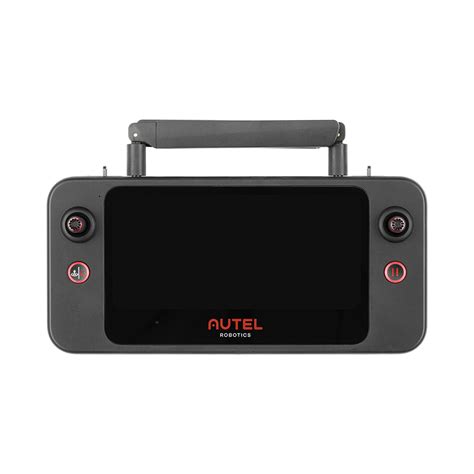
Autel Dragonfish Pro is a tilt-rotor VTOL drone built for high performance. Its composite outer shell and carbon fiber core make it durable and resistant to weather conditions. Equipped with advanced AI tracking, interchangeable payloads, and robust safety features, it is ideal for complex missions. With a flight time of 158 minutes, the Dragonfish Pro is well-suited for a variety of professional aerial tasks.
Pros
- Durable and weather-resistant
- Advanced AI tracking
- Interchangeable payload system
- Robust performance in complex environments
Cons
- Higher weight
- Moderate max speed
JOUAV CW-30E
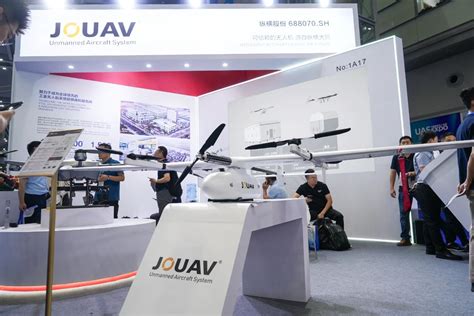
JOUAV CW-30E is a hybrid VTOL drone designed for high-endurance missions, offering a flight time of up to 480 minutes with an 8 kg payload. It supports various payloads like LiDAR and high-resolution cameras, making it perfect for mapping, surveillance, and inspection. The CW-30E’s design ensures reliability in diverse conditions, and its advanced flight control systems make it an excellent choice for high-precision applications.
Pros
- Extremely long flight time (480 minutes)
- Large payload capacity (up to 8 kg)
- Advanced flight control and navigation systems
- Robust in diverse conditions
Cons
- Lower max speed
- Heavier design compared to competitors
T-DRONES M690Pro
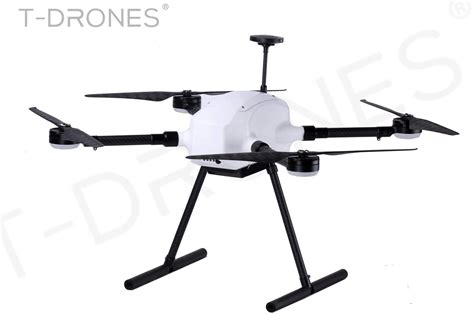
T-DRONES M690Pro is a versatile multirotor drone designed for a variety of commercial applications. It offers a maximum flight time of 89 minutes and features a foldable design for easy transport. Its reliable flight control systems make it a dependable choice for tasks requiring extended flight times.
Pros
- Long flight time (89 minutes)
- Compact and foldable design
- Reliable flight control systems
- Easy to transport
Cons
- Lower max speed
- Limited payload capacity
T-DRONES M1200
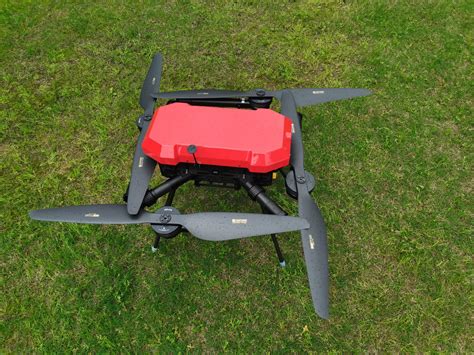
T-DRONES M1200 is a heavy-duty drone built for industrial applications. It supports a flight time of 107 minutes and can carry heavier payloads, making it ideal for demanding tasks. The foldable design ensures convenience during transport and deployment.
Pros
- High payload capacity
- Long flight endurance (107 minutes)
- Foldable design for easy transport
- Robust performance for industrial tasks
Cons
- Moderate max speed
T-DRONES MX860
T-DRONES MX860 is a high-performance multirotor drone with a payload capacity suited for demanding commercial and industrial tasks. It offers a flight time of 74 minutes and features a durable frame and advanced flight control systems. The foldable design adds to its portability.
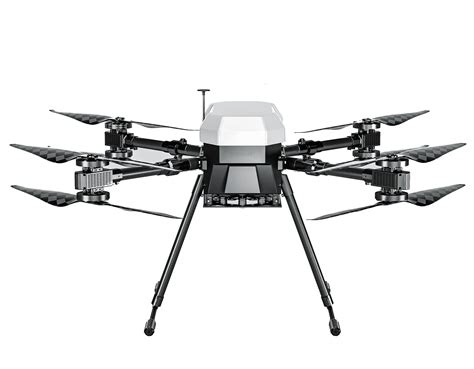
Pros
- High payload capacity
- Durable frame
- Advanced flight control systems
- Foldable and portable
Cons
- Shorter flight time compared to other models
DJI Matrice 300 RTK
DJI Matrice 300 RTK is an advanced industrial drone platform designed for long-range applications. It offers a flight time of 55 minutes and is equipped with AI capabilities, six-directional sensing, and multiple payload configurations. Its OcuSync Enterprise transmission system ensures reliable data transmission over long distances, making it ideal for advanced industrial applications.
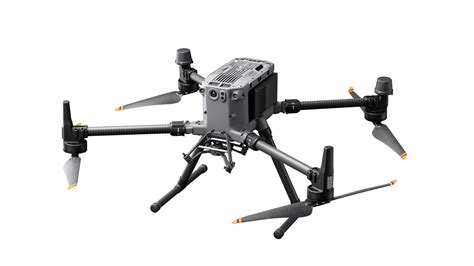
Pros
- Advanced AI capabilities
- Six-directional sensing
- Multiple payload configurations
- Reliable OcuSync Enterprise transmission
Cons
- Shorter flight time compared to competitors
- Higher cost
- Moderate payload capacity
How Are Long Range Drones Controlled?
Long-range drones are controlled using a combination of advanced technologies to ensure precise navigation and stable communication over extended distances. The most common method of controlling drones involves remote control, especially for short to medium ranges. Here’s how it works:
Remote Control
A handheld device that sends signals to the drone via radio waves. It includes a transmitter (sending the signals), a receiver (on the drone, receiving the signals), and a controller (often with joysticks for maneuvering the drone). Although effective for shorter ranges, remote controls are limited by signal strength and environmental interference, typically offering control within a few kilometers.
Computer-Based Control
For more advanced and long-range operations, drones can be controlled through computer-based interfaces. These systems let operators control drones via software, offering several key benefits:
- Flight Path Mapping: Operators can pre-program flight paths, ideal for complex missions like surveying or search and rescue.
- Real-Time Monitoring: Provides detailed telemetry data, enabling real-time adjustments and tracking of the drone’s status.
- Enhanced Control: Sophisticated software often includes features like automated takeoff/landing, waypoint navigation, and detailed flight data analysis.
Ground Control Stations
Long-range drones often use ground control stations (GCS) for improved management and control. These stations have advanced communication systems and software interfaces, providing full control over drone operations.
Key features include:
- Extended Range Communication: Ground stations use satellite communication or specialized radio frequencies to maintain control over distances, often exceeding 100 km.
- Real-Time Data Transmission: GCS setups continuously transmit high-quality video and telemetry data, keeping operators fully informed about the drone’s status and surroundings.
- Autonomous Flight Modes: Many long-range drones can operate autonomously, following pre-programmed paths without the need for constant input from the operator.
UAV Relay Systems
To further extend the range and ensure reliable communication, UAV relay systems can be used. This involves intermediate drones or ground-based relay stations to boost the communication range between the main drone and the operator.
Benefits include:
- Extended Operational Range: Using relay stations allows drones to fly well beyond typical direct control ranges.
- Reliable Signal Transmission: Reduces signal loss, ensuring continuous data flow, even in challenging environments.
- Enhanced Mission Capabilities: Perfect for large-scale tasks such as surveying, environmental monitoring, and disaster response.
Satellite-Based Control
For the most demanding long-range operations, satellite-based control provides a robust solution. Satellite networks allow drones to stay in contact with ground control stations over vast distances, often hundreds of kilometers away.
Advantages include:
- Global Coverage: Enables drone operations in remote or otherwise inaccessible areas.
- High Reliability: Satellite communication is less affected by interference and signal loss than terrestrial systems.
- Enhanced Data Security: Ensures the secure transmission of sensitive data, which is crucial for missions like military operations or critical infrastructure monitoring.
FAQs
What is the Furthest Distance a Drone Can Fly?
The furthest distance a drone can fly depends on its design, technology, and purpose. High-end commercial drones can fly much longer distances than consumer models. For example, the JOUAV CW-30E can fly up to 200 kilometers (124.3 miles) while maintaining real-time video transmission. Other advanced drones like the Autel Dragonfish Pro and T-DRONES VA23 can achieve distances of up to 30 kilometers (18.6 miles) with impressive flight times.
Are There Any Legal Restrictions for Flying Long-Range Drones?
Yes, there are legal restrictions for flying long-range drones:
- Visual Line of Sight (VLOS): Drones must usually stay within the operator’s visual line of sight, limiting range to around 0.25 to 0.5 miles.
- Beyond Visual Line of Sight (BVLOS): Requires special permissions and strict safety measures.
- Airspace Restrictions: Drones cannot fly near airports, military bases, or other sensitive areas without authorization.
- Altitude Limits: Most regulations restrict drones to a maximum of 400 feet above ground level.
These regulations are in place to ensure safety and comply with local laws.
What Affects the Range of a Drone?
Several factors can impact a drone’s range:
- Battery Capacity: Larger batteries provide more power but can add weight, reducing range.
- Drone Design and Weight: Lighter drones are more energy-efficient, extending their range.
- Environmental Conditions: Wind, rain, and extreme temperatures can reduce battery performance and drone stability.
- Communication Systems: Stronger radio frequencies and satellite links improve long-range control and data transmission.
- Operational Factors: Flying style, payload weight, and the efficiency of the flight control system can all influence range.
- Regulatory Restrictions: Legal limits on altitude and distance from the operator can also affect how far a drone can travel.
What Happens When a Drone Goes Out of Range?
When a drone goes out of range, its actions depend on the technology and fail-safe features it includes. Common scenarios are:
- Return to Home (RTH): Many drones come with a Return to Home function. When they lose the signal, the drone automatically uses GPS to return to its takeoff point.
- Hovering or Landing: Some drones will hover in place or land safely if they lose signal, preventing them from drifting away or crashing.
- Manual Recovery Options: If the drone is within range, pilots may regain control by moving closer or using alternative control methods.
- Signal Loss Alerts: Advanced drones send alerts to the operator’s controller or device, notifying them of signal loss and triggering an RTH or other fail-safe measures.
- Failsafe Features: In sport or high-performance modes, some drones may not activate certain fail-safes like RTH. In these cases, pilots must manually recover the drone.
How Can I Increase My Drone Range?
To extend the range of your drone, you can try the following strategies:
- Optimize Antenna Placement and Selection
- Antenna Positioning: Place antennas in positions that improve signal strength and stability.
- High-Gain Antennas: Use antennas that focus energy more effectively to extend the range.
- Reduce Signal Interference
- Fly Higher: Flying at higher altitudes can reduce interference from other signals.
- Remove Obstacles: Keep physical obstructions like buildings or trees away from the drone’s path.
- Modify Drone Settings
- Firmware Updates: Regularly update your drone’s firmware for better signal strength and stability.
- Optimize Transmission Systems: Implement features like frequency hopping and signal amplification.
- Use Range Extenders or Signal Boosters
- Signal Boosters: Consider using external devices that significantly increase your drone’s communication range.
- DIY Boosters: Create homemade boosters to extend your range at a lower cost.
- Be Mindful of Environmental Conditions
- Optimal Weather: Flying in clear, sunny weather can reduce signal degradation caused by environmental factors.
- Upgrade Software and Hardware
- Software Upgrades: Keep your drone’s software updated for peak performance.
- Hardware Modifications: Adjust antenna power and positioning to enhance range.