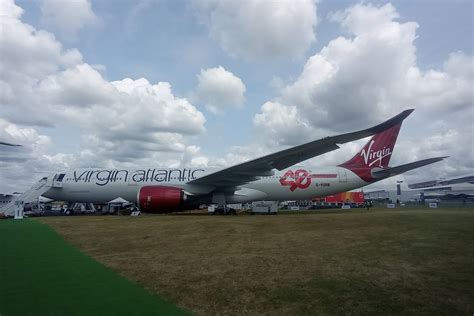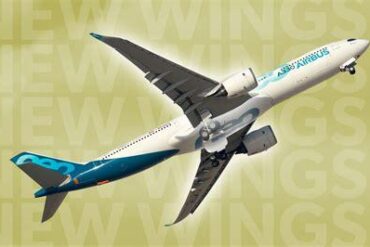
Airbus is preparing to redefine long-haul air travel with a newly upgraded variant of its A330neo aircraft, scheduled for introduction by mid-2026. The upcoming enhancement, primarily targeting the A330-900 and A330-800 models, aims to significantly increase both range and payload capacity, fortifying Airbus’s position in the competitive widebody aircraft market.
The A330neo, since its debut in 2018, has been an attractive middle-market solution for airlines demanding fuel efficiency, passenger comfort, and economic feasibility. With this latest development, Airbus is signaling its commitment to advancing long-haul performance while adhering to sustainability goals.
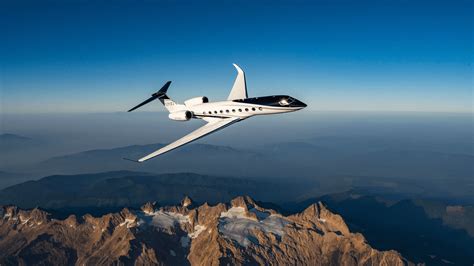
Enhanced MTOW: The Core of the Performance Leap
At the heart of this strategic evolution is a significant increase in Maximum Takeoff Weight (MTOW). The A330-900 will now support a MTOW of 257 tons, up from its previous 251 tons. This 6-ton increase, though seemingly modest, translates into expanded payload potential—a key differentiator in long-haul operations.
For airlines, this additional capacity opens new opportunities:
- More passengers or cargo without altering fuel efficiency
- Enhanced performance in “hot and high” airports, where aircraft performance is challenged by altitude and temperature
- Longer routes without payload compromise
The A330-800, though a rarer member of the family, benefits from the same MTOW enhancement, broadening its appeal among carriers needing versatility and flexibility across lower-capacity long-haul routes.
Market Positioning: A330neo’s Proven Appeal
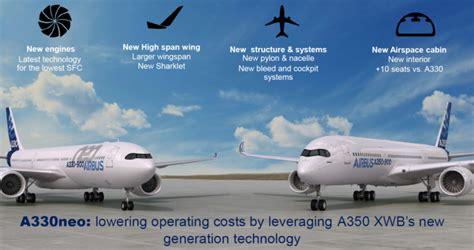
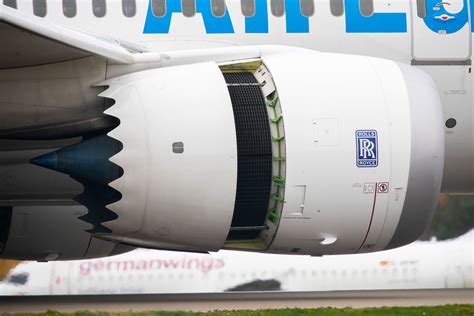
The A330neo already commands attention in the market as a cost-efficient alternative to larger widebodies like the Boeing 787 Dreamliner. Driven by Rolls-Royce Trent 7000 engines and aerodynamic refinements from the previous A330ceo, the aircraft offers up to 25% improved fuel efficiency per seat.
This fuel advantage, combined with a lower acquisition cost, positions the A330neo as a smart financial choice for many airlines, especially those operating in cost-sensitive markets or looking to replace aging fleets without investing in the more expensive A350 or 787 programs.
Responding to Airline Demands with Precision
The MTOW enhancement is more than a technical upgrade—it’s a targeted response to growing airline demands for greater range, higher payload, and operational flexibility. Airbus has listened closely to carriers operating in dynamic markets such as:
- Southeast Asia, where dense travel corridors demand both efficiency and comfort
- The Middle East, where long-haul luxury must align with cost and range expectations
- The Asia-Pacific, where island-hopping and long-haul routes require an optimal blend of range and economics
With these upgrades, airlines can now consider deploying the A330neo on more ultra-long-haul sectors, previously better suited for more expensive aircraft. The extended range paired with greater payload means flights from Doha to San Francisco, Kuala Lumpur to Vancouver, or Bangkok to New York become more operationally and economically viable.
Competitive Dynamics: A Renewed Boeing Challenge
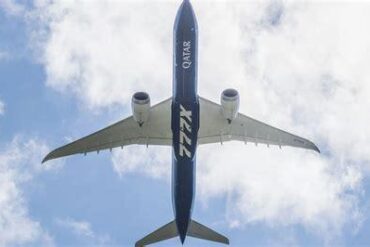
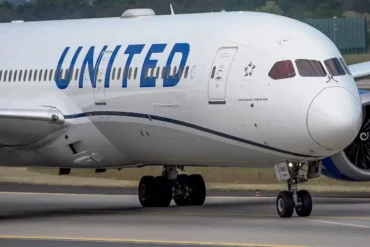
Boeing’s 787 Dreamliner has long stood as the benchmark for efficient long-haul twinjets, but Airbus is closing the gap. The new A330neo variant doesn’t just challenge Boeing on performance; it beats the Dreamliner on capital expenditure and operating economics.
For airline executives facing rising costs and mounting pressure to deliver sustainability gains, the A330neo offers a solution that balances:
- Lower purchase price
- Competitive fuel burn
- Comparable passenger comfort
- Enhanced range with MTOW increase
This move could potentially sway undecided carriers or those with fleet harmonization strategies away from Boeing’s 787 family and toward Airbus’s next-generation widebody.
Passenger Experience: Airspace Cabin Enhancements
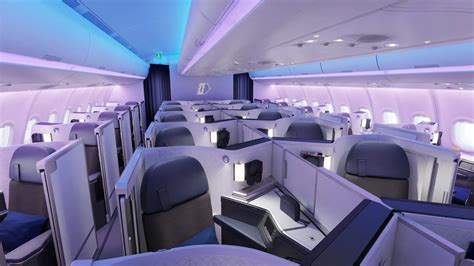
Beyond the technical and operational benefits, Airbus is not neglecting passenger experience. The A330neo’s Airspace cabin concept is central to this upgrade, offering features designed for comfort, ambiance, and usability:
- Wider seats for long-haul comfort
- Larger overhead bins to ease boarding and deplaning
- Quieter cabin acoustics for restful journeys
- Advanced LED mood lighting for jet lag reduction
In an era where premium economy and business class innovations shape airline reputations, the A330neo’s passenger-centric design supports brand differentiation for carriers investing in customer satisfaction.
Sustainability Commitment: Ready for a Greener Future
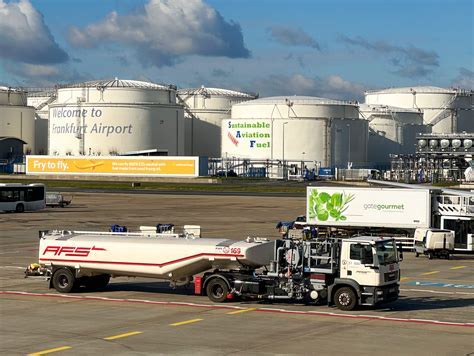
The next-generation A330neo doesn’t just fly farther and carry more—it does so with a focus on sustainability. The aircraft is already certified to operate using up to 50% Sustainable Aviation Fuel (SAF). Airbus’s ongoing R&D aims to push this threshold even higher as part of its ambition to reach net-zero carbon emissions by 2050.
In addition, Airbus’s manufacturing process for the A330neo now incorporates lighter materials, automated assembly, and eco-friendly practices, enhancing the environmental value proposition for eco-conscious airlines.
Market Implications: A Future-Proof Solution
The A330neo upgrade positions Airbus to meet a changing aviation landscape, where airlines demand aircraft that can adapt to:
- Volatile fuel prices
- Varying regulatory environments
- Shifting passenger demand
Airlines such as Malaysia Airlines, Thai Airways, and Etihad Airways—already eyeing the A330neo—will benefit greatly from these improvements. For existing customers, the upgraded aircraft promises seamless fleet integration with enhanced capabilities. For new buyers, it represents a cost-effective pathway into the long-haul segment.
In terms of fleet strategy, the A330neo is emerging as a critical bridge between single-aisle economics and long-haul performance. It allows airlines to:
- Add new routes incrementally
- Replace aging A330ceo or early 767/777 models
- Maintain widebody connectivity without overcommitting to higher-capacity aircraft
A Strategic Evolution with Marketwide Impact
The timing of this upgrade is no accident. As international travel rebounds, airlines are rethinking their network strategies. Flexibility, fuel efficiency, and passenger experience are paramount—and the A330neo, with its new long-range variant, hits all the right notes.
By marrying proven design with next-gen performance, Airbus ensures that the A330neo is not merely a stopgap or budget choice—it is a forward-looking aircraft aligned with the aviation sector’s future trajectory.
As the middle-of-the-market segment becomes more crowded and strategic, the A330neo’s upgraded offering is poised to stand out. It delivers the capability of a large widebody in a more efficient, adaptable package—ideal for the realities of modern global aviation.
Final Thoughts: The New Standard for Efficient Long-Haul
With its boosted MTOW, enhanced operational flexibility, improved passenger amenities, and robust sustainability profile, the new long-range A330neo variant is more than an upgrade—it’s a statement of intent. Airbus is investing in a widebody future where efficiency and adaptability outweigh sheer size or prestige.
This upgrade is a calculated, customer-driven evolution that ensures the A330neo will remain relevant, competitive, and desirable—from the densest intercontinental trunk routes to emerging ultra-long-haul demand zones. The message to the aviation industry is clear: the A330neo is ready not just to compete but to lead.