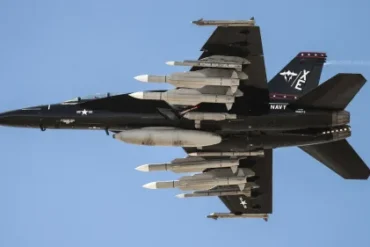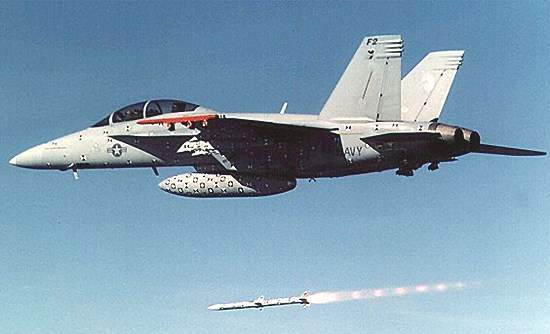
The F/A-18 Hornet and its advanced variant, the F/A-18E/F Super Hornet, are among the most versatile multirole fighters in modern aviation. Developed for the U.S. Navy and Marine Corps, these aircraft are designed for air superiority, precision strike, suppression of enemy air defenses (SEAD), and reconnaissance missions. One of their defining characteristics is their exceptional payload capacity, allowing them to carry a diverse arsenal of air-to-air, air-to-ground, and electronic warfare systems.
This article explores the payload capacity of the F/A-18, detailing weapons loadouts, mission-specific configurations, and operational flexibility across various combat scenarios.
F/A-18C/D Hornet (Legacy Hornet) Payload Capabilities
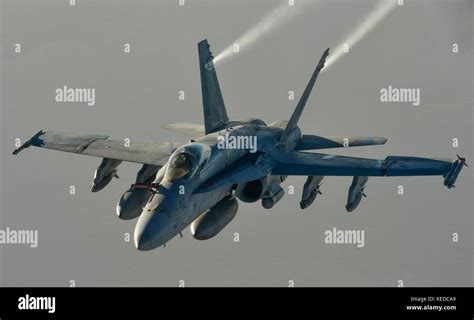
The F/A-18C/D Hornet, often referred to as the Legacy Hornet, features a total of nine hardpoints for mounting weapons and external stores. These include:
- 2 wingtip hardpoints for air-to-air missiles.
- 4 underwing hardpoints for various weapons or fuel tanks.
- 3 fuselage hardpoints for additional munitions or targeting pods.
Maximum External Payload
The F/A-18C/D can carry up to 13,700 lbs (6,200 kg) of external weapons and equipment, allowing it to be configured for multi-role combat operations.
Weapons Loadout
Air-to-Air Combat Loadout
- AIM-9 Sidewinder: Short-range heat-seeking missile, typically mounted on wingtip hardpoints.
- AIM-120 AMRAAM: Advanced medium-range missile for beyond-visual-range engagements.
Air-to-Ground Strike Loadout
- JDAMs (Joint Direct Attack Munitions): Precision-guided bombs using GPS targeting.
- Paveway Laser-Guided Bombs: High-accuracy munitions for precision strikes.
- AGM-65 Maverick: Air-to-ground missile designed for armored targets and ground vehicles.
- Cluster Munitions: Anti-personnel and anti-armor munitions effective against dispersed targets.
Support Equipment
- AN/ASQ-228 ATFLIR Targeting Pod: Advanced targeting and laser designation system.
- Electronic Countermeasure (ECM) Pods: Jamming devices used to evade enemy radar and missiles.
- External Fuel Tanks: Up to three 480-gallon tanks to extend operational range.
F/A-18E/F Super Hornet: Expanded Payload and Capabilities
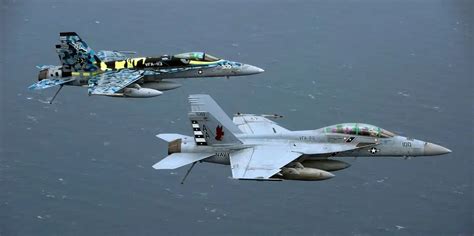
The F/A-18E/F Super Hornet, an upgraded version of the Legacy Hornet, features an enhanced payload capacity, increased range, and superior avionics. This aircraft includes 11 hardpoints, distributed as follows:
- 2 wingtip stations for air-to-air missiles.
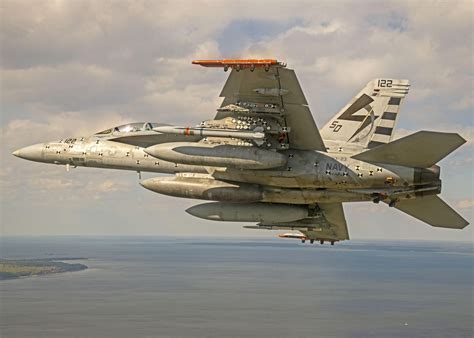
- 6 underwing hardpoints for bombs, missiles, and fuel tanks.
- 3 fuselage hardpoints for targeting pods, weapons, or additional stores.
Maximum External Payload
The F/A-18E/F can carry 17,750 lbs (8,050 kg) of external stores—30% more than the Legacy Hornet. This expanded capacity allows for heavier weapons systems and multi-role versatility.
Advanced Weaponry and Stores
Air Superiority Loadout
- AIM-9X Block II Sidewinder: High-off-boresight, infrared-guided missile.
- AIM-120 AMRAAM: Advanced radar-guided missile for beyond-visual-range engagements.
Precision Strike and Ground Attack Loadout
- JDAMs (GPS-Guided Bombs): Large payloads of precision-guided bombs for strategic strikes.
- AGM-84H/K SLAM-ER: Advanced standoff land attack missile, capable of engaging high-value targets from long distances.
- AGM-88 HARM: High-speed anti-radiation missile for SEAD (Suppression of Enemy Air Defenses).
Naval and Anti-Ship Warfare Loadout
- AGM-84 Harpoon: Long-range anti-ship missile, optimized for naval strike operations.
Extended Fuel and Aerial Refueling
- Conformal Fuel Tanks (CFTs): Mounted along the fuselage to extend range without occupying hardpoints.
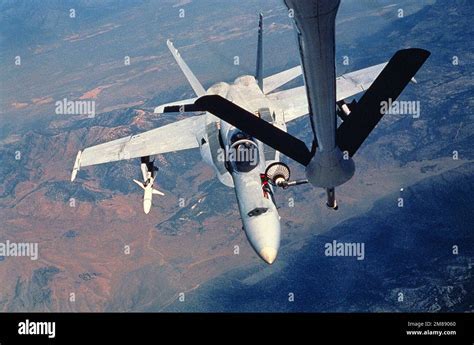
- Buddy Refueling Pod: Converts the F/A-18E/F into a tactical aerial refueling aircraft, extending the range of other strike aircraft.
Typical Payload Configurations for Different Missions
The F/A-18 Hornet and Super Hornet can be outfitted for specific combat roles based on operational needs.
Air Superiority Mission
- 6–8 AIM-9X and AIM-120 missiles
- 2 external fuel tanks for extended endurance.
Strike Mission Loadout
- 4–6 JDAMs or Paveway bombs
- 1 targeting pod (AN/ASQ-228 ATFLIR or Litening Pod)
- 2–4 air-to-air missiles for self-defense
- External fuel tanks for long-range operations
Anti-Ship & SEAD Loadout
- AGM-88 HARM missiles for enemy radar suppression
- AGM-84 Harpoon or SLAM-ER for naval targets
- Electronic warfare (ECM) pods for self-protection
Key Considerations in Payload Management
Balancing Weight vs. Range
- Heavier payloads significantly reduce range and maneuverability.
- External fuel tanks mitigate range limitations but occupy weapon hardpoints.
Mission-Specific Loadout Optimization
- Air-to-ground missions require a balance between guided munitions, fuel, and targeting pods.
- Carrier-based operations demand configurations that allow for safe carrier landings.
Conclusion
The F/A-18 Hornet and Super Hornet remain cornerstones of modern naval aviation, thanks to their highly adaptable payload capacity, advanced targeting systems, and multi-role flexibility. Whether in air-to-air combat, precision strike operations, or naval warfare, the F/A-18’s payload versatility ensures its continued dominance in modern battle scenarios.
Frequently Asked Questions (FAQ)
How does the F/A-18 compare to other multirole fighters in payload capacity?
The F/A-18E/F Super Hornet carries up to 17,750 lbs of external payload, comparable to aircraft like the F-16 and Rafale, but less than the F-15E Strike Eagle. However, its carrier compatibility and aerial refueling capability give it a strategic advantage in naval operations.
Can the F/A-18 carry nuclear weapons?
The F/A-18 Hornet and Super Hornet have been certified to carry B61 nuclear bombs, but their use in nuclear strike missions is highly restricted under U.S. military doctrine.
What is the impact of conformal fuel tanks on the F/A-18E/F’s performance?
Conformal Fuel Tanks (CFTs) extend range without occupying hardpoints, reducing drag and increasing fuel efficiency. This allows the Super Hornet to conduct long-range strikes while retaining its full weapons payload.