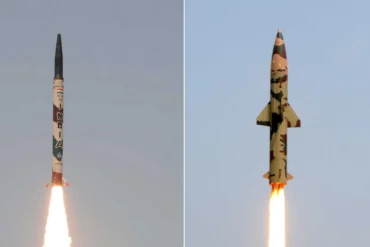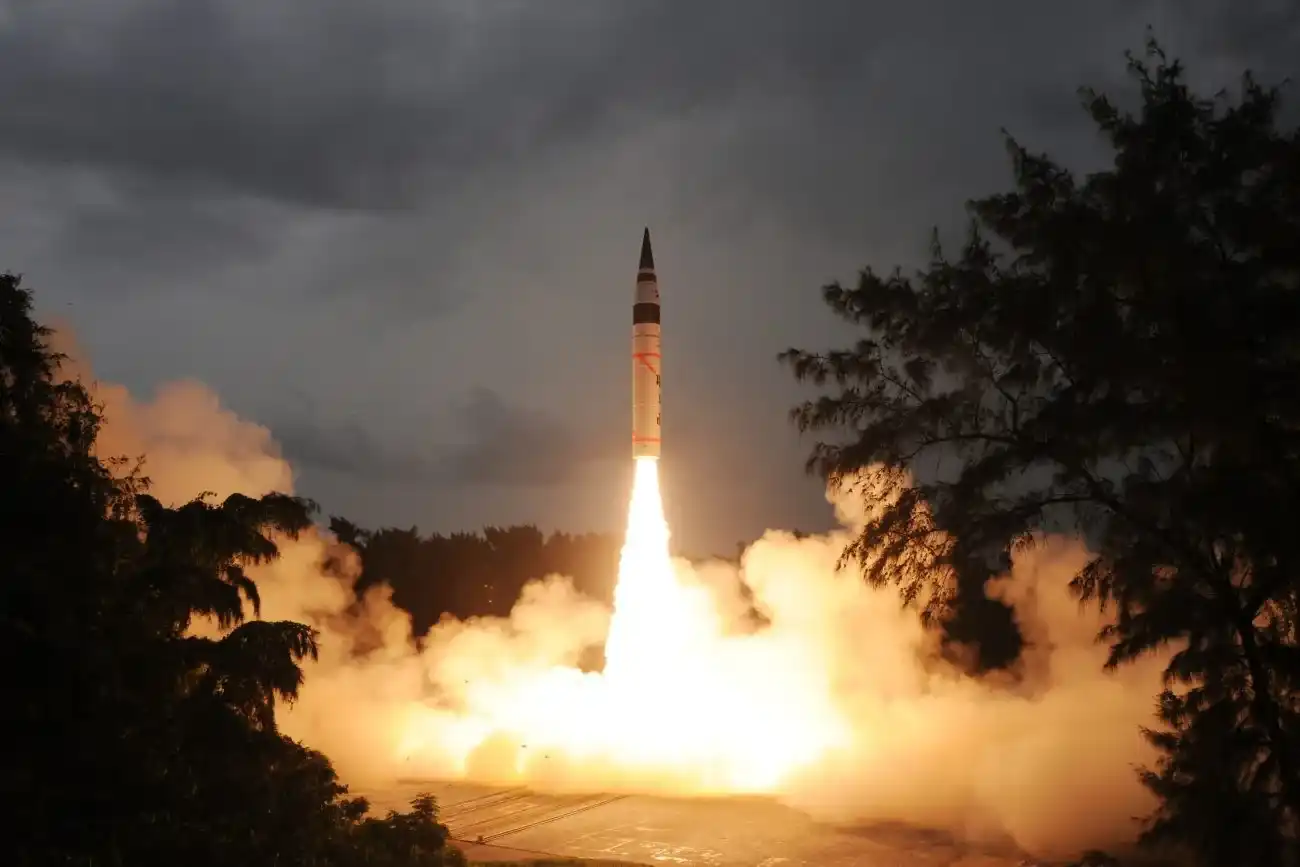
India’s latest Agni-5 missile test has underscored its rising status as a major military power, reinforcing its nuclear deterrence strategy while sending a strong message to both China and Pakistan. Conducted from Dr. Abdul Kalam Island off Odisha’s coast, the test validated all operational and technical parameters under the Strategic Forces Command (SFC), highlighting India’s ability to deliver credible, survivable, and flexible strike options.
The timing of the trial is significant, coinciding with Prime Minister Narendra Modi’s upcoming visit to China and reflecting New Delhi’s determination to project strength during a delicate phase in bilateral relations.
Agni-5: India’s Long-Range Deterrent
The Agni-5 intercontinental ballistic missile (ICBM) has a range exceeding 5,000 kilometers, placing nearly all of China and Pakistan within reach. Built with a solid-fueled, three-stage propulsion system, it is designed for mobility and survivability. Housed in hermetically sealed canisters, the missile can be transported by road or rail and launched at short notice, greatly enhancing its operational flexibility. This ensures that India maintains a second-strike capability in the event of a nuclear exchange.
The Leap To MIRV Technology
What sets the recent test apart is its association with the MIRV (Multiple Independently Targetable Re-entry Vehicle) capability, trialed earlier under “Mission Divyastra.” This allows a single missile to carry multiple warheads, each programmed to strike different targets hundreds of kilometers apart. Though still years from full deployment, this breakthrough technology elevates India’s nuclear deterrence to new heights, making it possible to hit multiple critical enemy assets with fewer missiles.
Surpassing America’s GBU-57 In Payload Power
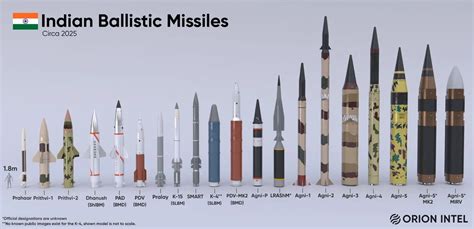
While the United States’ GBU-57 Massive Ordnance Penetrator remains one of the heaviest conventional bombs, weighing 2,400 kilograms, India’s ongoing development of a bunker-busting missile variant based on the Agni platform demonstrates even greater payload capacity. This missile could carry a staggering 7,500-kilogram warhead, tripling the GBU-57’s destructive load. Although its range would be limited to 2,500 kilometers, this heavy warhead provides India with a formidable strike option against deeply buried enemy facilities, compensating for its lack of a dedicated strategic bomber fleet.
India’s Expanding Strategic Arsenal
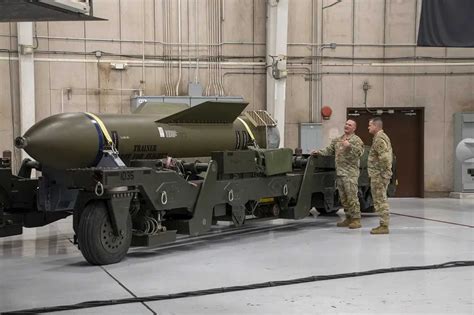
India’s nuclear deterrence rests on a layered missile system that has steadily matured since the establishment of the Strategic Forces Command in 2003. The arsenal includes:
- Prithvi-II – 350 km range, Pakistan-focused.
- Agni-I – 700 km range.
- Agni-II – 2,000 km range.
- Agni-III – 3,000 km range.
- Agni-5 – 5,000+ km range, capable of striking deep into Chinese territory.
Together, these systems provide India with the flexibility to deter threats on both western and eastern fronts.
Speculation Over Agni-6
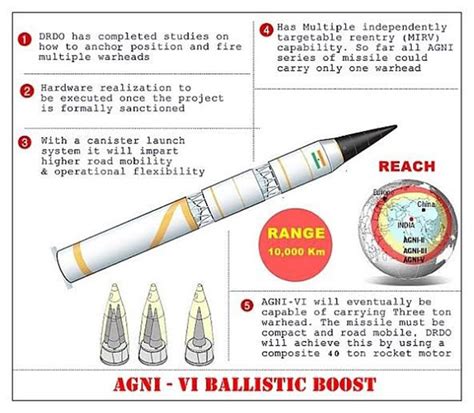
Recent NOTAM advisories covering vast stretches of the Indian Ocean have fueled speculation about the Agni-6 ICBM, currently in development. Expected to surpass all predecessors, the Agni-6 could achieve ranges between 8,000 and 10,000 kilometers, potentially extending to 16,000 kilometers with lighter payloads. More crucially, it may carry 10–11 MIRV warheads, making it India’s most advanced nuclear delivery system once operational.
BrahMos Evolution: Complementing The Agni Series
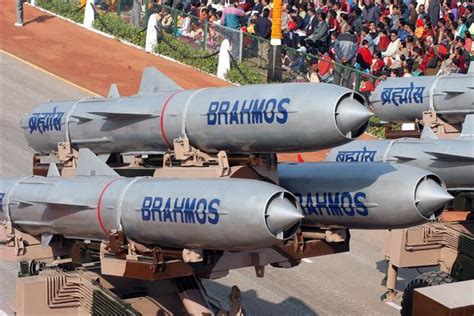
Parallel to the Agni program, India is enhancing the BrahMos cruise missile family. The extended-range BrahMos ER has already demonstrated 350–400 kilometers, with new versions expected to reach 800 kilometers. Additionally, the upcoming BrahMos-NG (Next Generation) will be smaller, lighter, and deployable on multiple platforms, from fighter aircraft to naval ships, broadening India’s conventional strike flexibility.
A Year Of Relentless Missile Testing
The year 2025 has seen India intensifying its missile testing regime. In July alone, the military conducted two successful trials of the Pralay quasi-ballistic missile, capable of precision strikes up to 500 kilometers. Other recent tests include:
- Prithvi-II and Agni-I – ensuring combat readiness.
- Akash Prime – upgraded surface-to-air missile.
- Astra air-to-air missile – equipped with an indigenous RF seeker, launched from a Su-30 fighter.
- A new drone-launched missile – designed for deep-strike missions.
These tests reveal a comprehensive modernization drive covering battlefield, tactical, and strategic levels.
India’s Strategic Calculus Against China And Pakistan
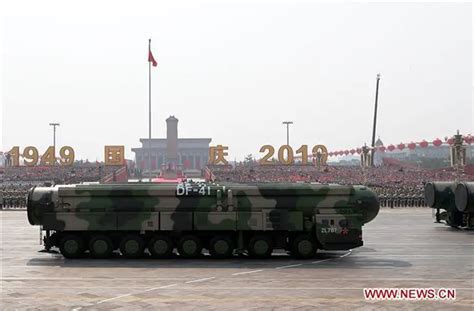
The Agni-5 test cannot be separated from the regional security environment. With China possessing around 600 nuclear warheads compared to India’s estimated 180, New Delhi is acutely aware of its disadvantage. By strengthening its missile forces, India aims to narrow this gap while maintaining credible deterrence.
The deployment of MIRVs on Agni-5 raises both deterrence value and risk. Analysts warn that adversaries may view such capability as a potential first-strike weapon, increasing the incentive for preemptive action during a crisis. Still, for India, MIRVs add strategic weight, especially against China’s expanding arsenal.
Diplomacy Amid Deterrence
The missile test coincides with subtle signs of a thaw between India and China. After years of frosty ties following the 2020 Himalayan clashes, Beijing and New Delhi have cautiously reopened dialogue. Direct flights have resumed, Tibet pilgrimage routes have reopened, and tourist visas are again being issued. Prime Minister Modi’s upcoming visit to China for the Shanghai Cooperation Organisation (SCO) summit will be his first since 2018.
Yet beneath this surface-level cooperation lies deep mistrust. The PLA continues to modernize rapidly, while India expands its missile forces to balance Beijing’s dominance.
Balancing Relations With Global Powers
India’s missile advances unfold against a backdrop of complex geopolitical maneuvering. As a member of the Quad alliance with the United States, Japan, and Australia, India is viewed as a counterweight to Chinese influence. Yet at the same time, Washington’s pressure over Russian oil imports and tariff threats has pushed New Delhi into a more cautious, balanced stance, sometimes aligning it closer to Beijing on trade matters.
This triangular power dynamic places India in a delicate position, forcing it to combine military preparedness with diplomatic engagement.
Conclusion: Agni-5 As A Symbol Of India’s Military Future
The latest Agni-5 missile test highlights India’s determination to modernize its nuclear arsenal, deepen its deterrence credibility, and demonstrate its technological progress to rivals and partners alike. With future systems like Agni-6 and BrahMos-NG on the horizon, India is building a missile force that is not only survivable and flexible but also increasingly competitive with global powers.
As Modi prepares to meet Xi Jinping in China, the Agni-5 stands as both a diplomatic backdrop and a military signal: India will pursue peace, but it will not compromise on strength.