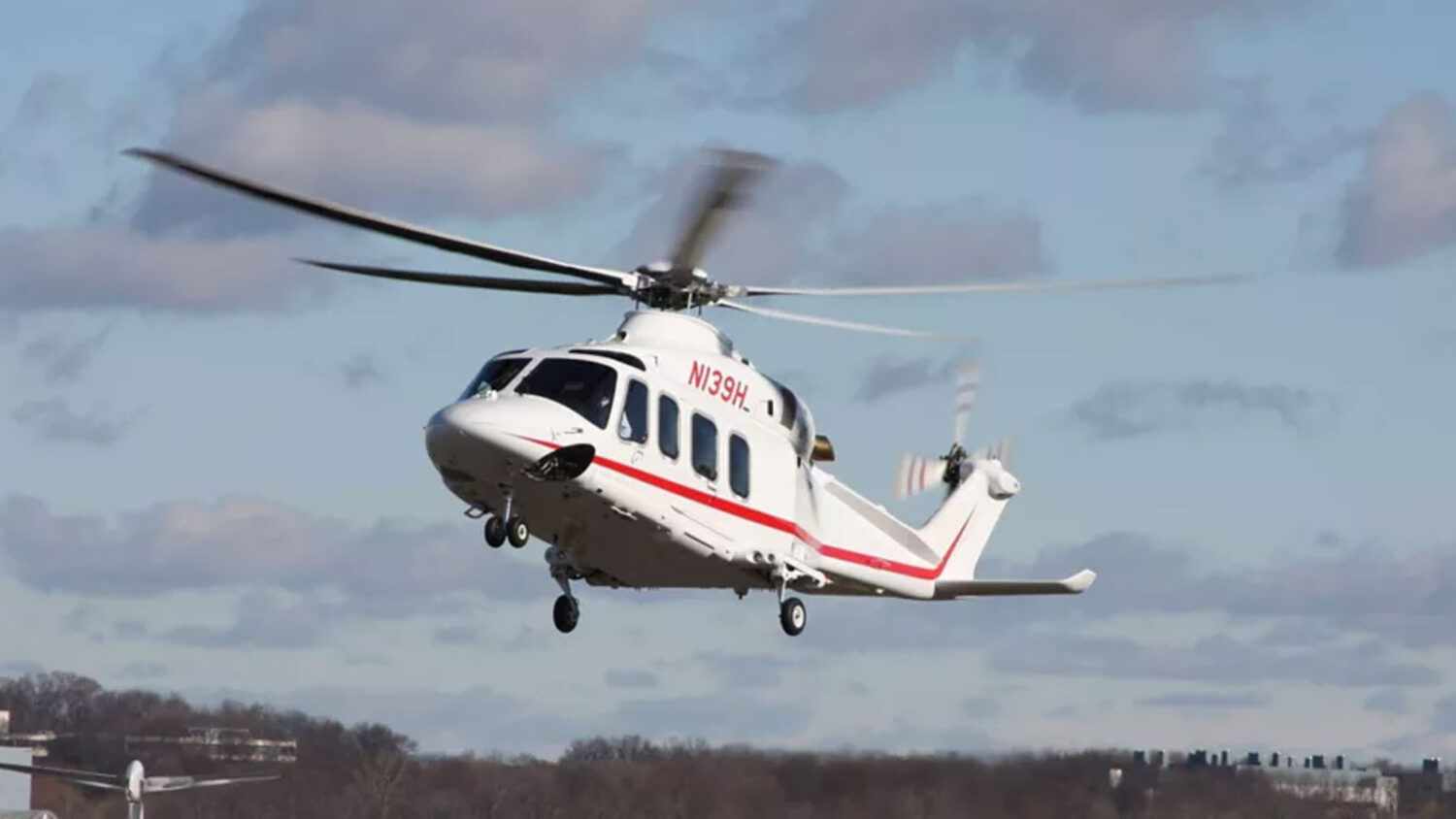
In a pivotal move that signals the future of military logistics, Honeywell Aerospace has successfully completed the first autonomous test flight of a military-configured Leonardo AW139 helicopter in Phoenix, Arizona. This historic test flight, achieved in partnership with Near Earth Autonomy, marks a watershed moment in the evolution of defense technology and uncrewed aerial capabilities. The collaborative initiative, conducted under the U.S. Marine Corps Aerial Logistics Connector program, brings autonomy to the forefront of battlefield logistics, offering the promise of safer, more efficient missions without putting pilots in harm’s way.
A Major Milestone in Military Aviation Autonomy
The successful execution of the test flight underscores the viability of fully autonomous helicopters operating in contested environments. Unlike traditional drone missions that require remote piloting, this AW139 mission was flown without any onboard or remote human operator, making it a genuinely self-piloted aircraft. This level of autonomy represents a significant leap forward in aerospace technology.
Honeywell, already a dominant force in the defense contracting landscape and Arizona’s second-largest defense contractor, has long been working to integrate autonomous avionics into manned and unmanned platforms. This test not only validates Honeywell’s avionics suite but also demonstrates the potential for retrofit autonomy, allowing legacy aircraft to be adapted for future battlefield needs without complete platform overhauls.
The Role of the Leonardo AW139 in Autonomous Operations
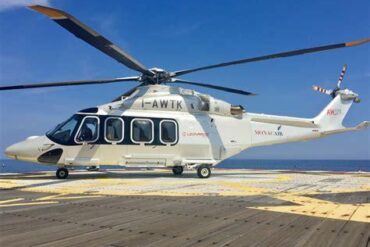
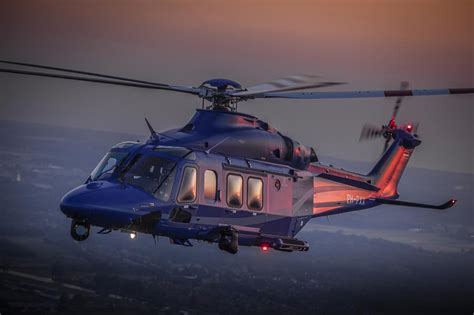
At the heart of this development is the Leonardo AW139, a twin-engine, multi-role helicopter renowned for its reliability, versatility, and performance. Widely used for a range of missions—from search and rescue to law enforcement and offshore transport—the AW139’s adaptability makes it a prime candidate for autonomous integration.
The autonomy suite integrated into the AW139 during this flight test was designed by Near Earth Autonomy, a Pittsburgh-based technology firm specializing in self-flying vehicle systems. Their advanced software enabled the helicopter to handle complex flight maneuvers, assess its environment in real time, and execute precision takeoffs, landings, and navigation—all without external input.
Why This Test Matters: Tactical and Strategic Implications
The implications of this successful test reach far beyond Arizona’s desert skies. In modern warfare, supply chain resilience and troop safety are paramount. The ability to deploy uncrewed rotary-wing aircraft to deliver supplies or evacuate injured personnel in high-risk zones could transform logistics operations across every branch of the U.S. military.
Autonomous helicopters like the AW139 promise to:
- Reduce exposure to hostile fire in contested territories.
- Ensure continuity of supply chains during communication blackouts or heavy conflict.
- Deploy rapidly without waiting for trained flight crews.
- Operate in GPS-denied or sensor-jammed environments using onboard navigation and obstacle avoidance.

Behind the Code: Near Earth Autonomy’s Role
While Honeywell brings the avionics and defense expertise, it is Near Earth Autonomy’s control stack that gives the AW139 its brain. According to CEO Sanjiv Singh, the breakthrough was in directly interfacing their autonomy system with the AW139’s flight control modes—an accomplishment that not only validates their platform but also sets the stage for scalable autonomy across a wide range of existing aircraft.
“This capability is essential for reducing risk to military personnel and ensuring resilient supply chains in the field,” Singh emphasized, highlighting that the autonomy solution is not conceptual—it’s ready and already operational.
This marks a significant step toward making retrofit autonomy a deployable reality, enabling defense stakeholders to transform manned fleets into dual-use assets capable of human or autonomous operation with minimal hardware changes.
Future Testing and Capability Expansion
The initial test flight is just the beginning. Honeywell has confirmed that further development and evaluation phases will focus on expanding the AW139’s ability to handle:
- Dynamic obstacle avoidance in complex terrain.
- High-risk navigation scenarios typical in battlefield logistics.
- Seamless integration into existing military logistics networks.
- Mission planning systems that allow human commanders to assign logistics objectives to autonomous helicopters.
The testing will also examine how the AW139 responds to unexpected environmental inputs, such as sudden weather shifts, GPS disruptions, and battlefield jamming—all critical in real-world operations.
Strategic Alignment with U.S. Marine Corps Objectives
The AW139 autonomy program is directly aligned with the U.S. Marine Corps’ Aerial Logistics Connector vision, which envisions a fleet of uncrewed aerial systems (UAS) that can shoulder the burden of tactical resupply missions in hostile zones. In practice, this means delivering food, water, ammunition, or medical supplies to remote outposts or forward-operating units with zero human exposure.
The autonomous logistics connector is not just a technological shift—it represents a tactical evolution in battlefield thinking, enabling decentralized resupply, quick adaptation, and operational independence. Honeywell and Near Earth Autonomy’s successful flight is a proof-of-concept that shows this vision is not only viable but imminent.
Phoenix as the Centerpiece of Aviation Innovation
Phoenix, already a burgeoning hub for aerospace innovation, has once again proven to be a fertile testing ground for future-forward flight systems. With a strong local presence and a growing ecosystem of defense and aerospace firms, the Arizona desert offers the controlled environments necessary for testing both manned and unmanned aviation systems.
Honeywell’s choice to conduct this test flight in Phoenix not only leverages its local assets but also continues Arizona’s emergence as a key player in U.S. defense aviation. Statewide support for aerospace R&D, combined with military partnerships and private innovation, continues to attract new ventures into autonomous and hybrid flight systems.
Looking Forward: Commercial and Civilian Spillover Potential
While the focus of the AW139 test is squarely on defense logistics, the underlying technology is likely to spill over into civilian and commercial aviation. Uncrewed helicopters could find use in:
- Disaster response and emergency evacuation.
- Search and rescue in remote areas.
- Cargo delivery to offshore or inaccessible locations.
- Critical infrastructure inspections (powerlines, pipelines, etc.).
Given the versatility of the AW139 platform, retrofitting for commercial purposes could happen rapidly, especially if regulatory pathways for autonomous flight operations are formalized.
Furthermore, Honeywell’s proven leadership in avionics systems for commercial aviation suggests a converging roadmap where military and civilian autonomous aviation share a common backbone of tested and trusted systems.
Conclusion: The Dawn of Retrofit Autonomy in Military Aviation
Honeywell Aerospace’s successful Phoenix test flight of an autonomous Leonardo AW139 is more than a technological feat—it is a defining milestone in the future of military aviation. By proving that existing aircraft can be transformed into uncrewed systems, this program paves the way for a cost-effective, scalable, and combat-ready future.
With continued testing, expanded capabilities, and support from the U.S. Marine Corps, the AW139 could soon become the first in a new fleet of autonomous logistics helicopters—enhancing battlefield agility, protecting personnel, and redefining what’s possible in contested airspace.
This isn’t just the next step in aviation technology. It’s the beginning of a new paradigm, where software becomes the pilot, and the skies become not just safer—but smarter.