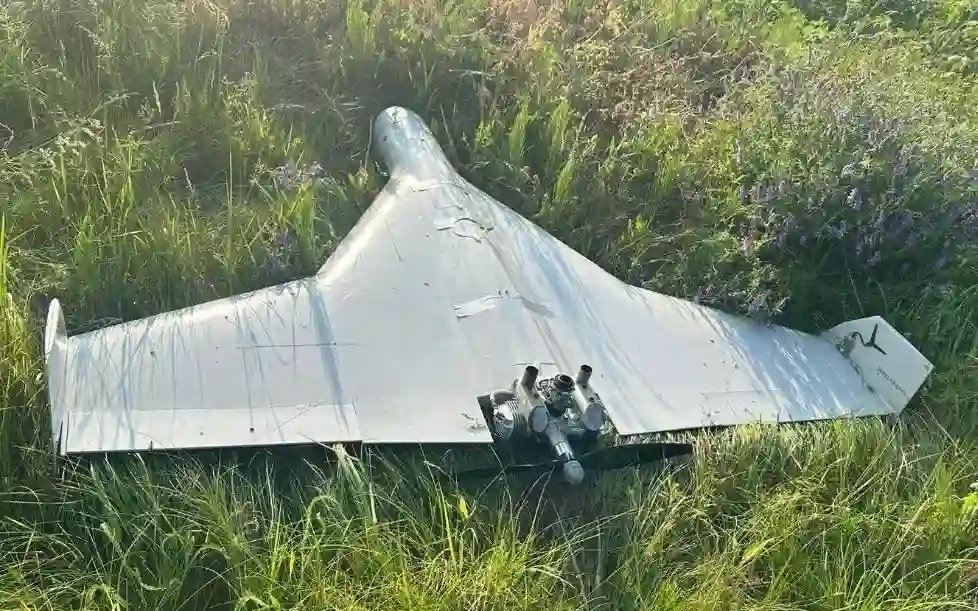
A fully Chinese-manufactured drone has been recovered in Ukraine for the first time, confirming growing collaboration between Russia and China in the realm of defense technology. The drone, identified as the UAV CBTS.611000, has raised serious concerns among Western intelligence agencies due to its exclusive use of Chinese components and the implications of such support for the ongoing conflict.
The UAV CBTS.611000: A New Player on the Ukrainian Battlefield
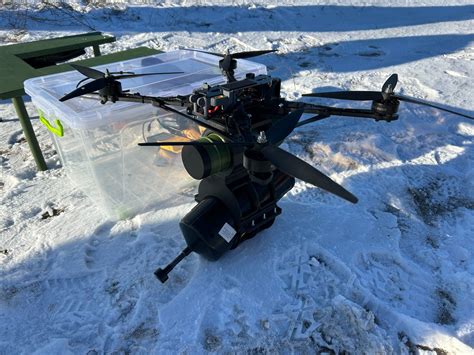
Ukrainian intelligence officials recovered two CBTS.611000 drones, dismantling them for analysis. Unlike previous Russian UAVs that used mixed-origin components, these drones were built entirely with Chinese parts—a first in the war. Although primarily designed for reconnaissance and electronic deception, the CBTS.611000 is also capable of carrying a 15kg warhead, giving it the potential for direct attack operations.
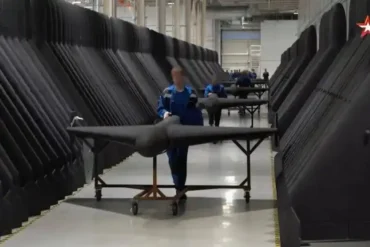
According to Ukraine’s defense intelligence, these drones appear to act as decoys to trigger air defenses, mimicking the flight profile and radar signature of more threatening drones. The relatively small delta-wing fuselage, reminiscent of Iran’s Shahed-136/Geran-2 drones, enables agile flight and makes the drone a cost-effective yet disruptive tool.
Chinese Manufacturers Behind the Components
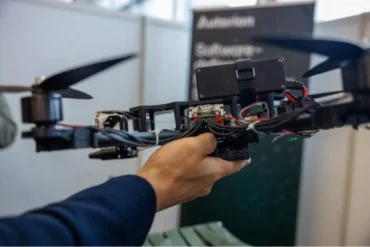
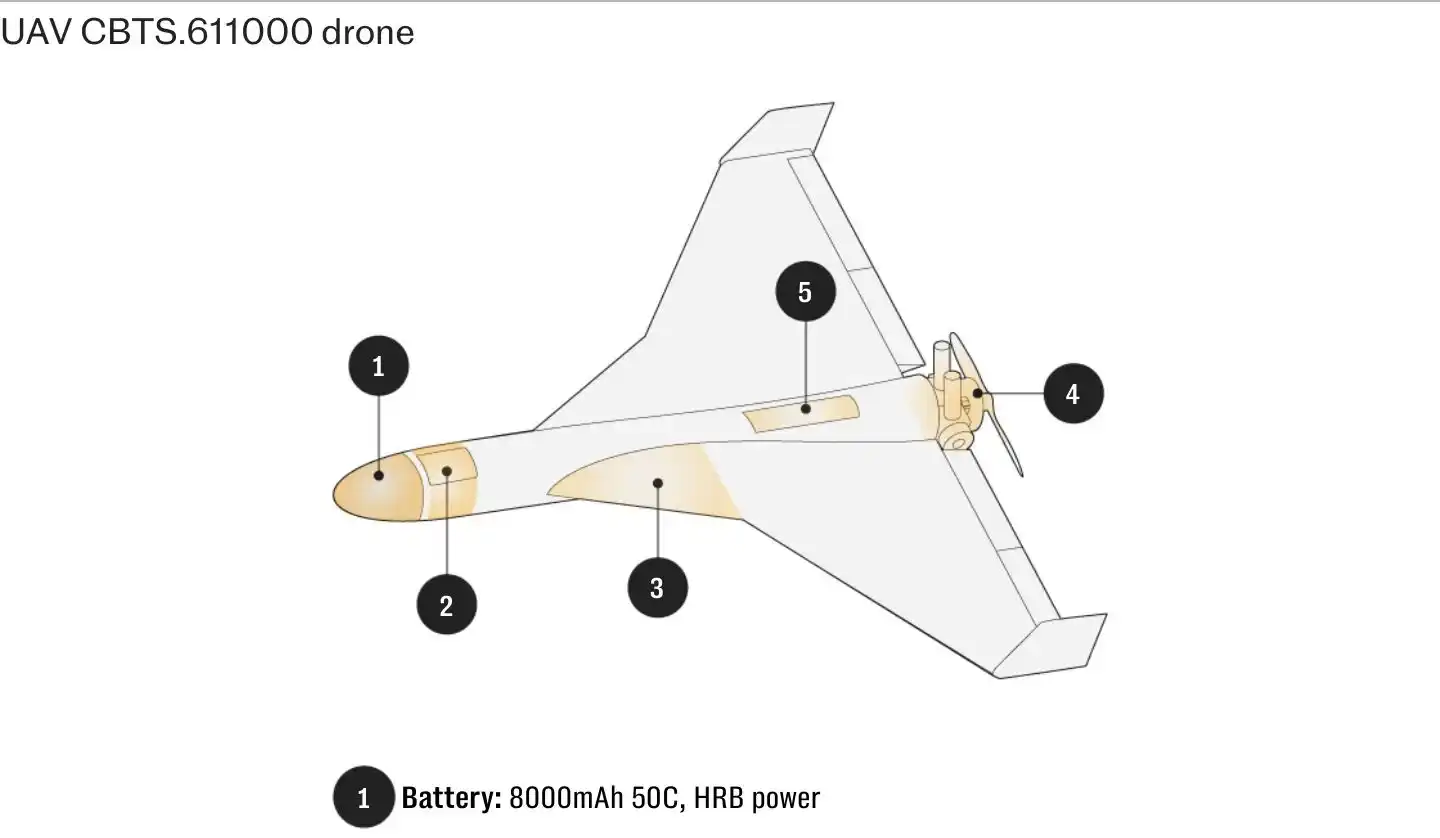
The disassembled drones revealed a web of Chinese firms contributing to its architecture:
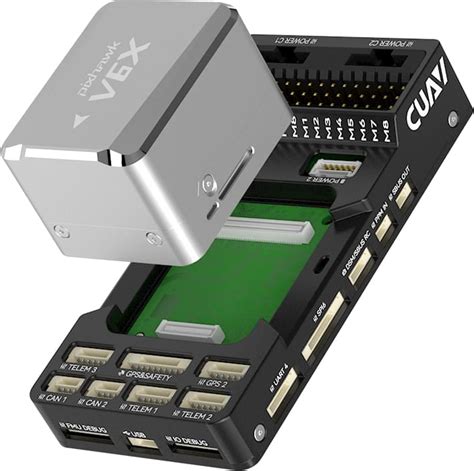
- CUAV Technology (Guangdong): Provided flight controller with autopilot, navigation systems, antennas, airspeed sensors, and pitot tubes. CUAV has previously claimed to restrict exports to both Russia and Ukraine since 2022, but its hardware continues to surface in combat drones.
- Mile Haoxiang Technology: Supplied the engine and ignition modules. These components are critical for long-endurance UAV missions.
- Foxeer Technology: Delivered the first-person-view (FPV) camera, supporting real-time visual feedback during drone operation.
- Unlicensed Chinese Copy of RFDesign’s RFD900X: This data transmission module, cloned from the Australian original, allows the drone to send data up to 40 kilometers. This system creates a persistent reconnaissance link between the drone and its operator, enhancing battlefield awareness.
Ukraine’s Main Directorate of Intelligence (GUR) stated: “This system enables the creation of a data transmission channel from the UAV to its ground station or between UAVs, thereby enhancing its reconnaissance capabilities.”
CUAV’s Questionable Export Controls
In 2022, CUAV Technology publicly announced it would cease shipments to Russia and Ukraine to avoid misuse of its technologies. Despite this pledge, Ukrainian authorities continue to find CUAV products embedded in UAVs used by Russian forces.
In 2023, a Russian vertical take-off UAV also included a CUAV controller purchased from AliExpress, suggesting that enforcement of export restrictions is either ineffective or deliberately overlooked. CUAV positions itself as an “open-source drone solution supplier,” and its parts remain readily available across global e-commerce platforms.
Implications for China’s Role in the Ukraine War
Beijing has consistently claimed neutrality in the Ukraine conflict, asserting it does not supply “lethal aid” to either side. However, the discovery of combat-capable UAVs built exclusively with Chinese components severely undermines this narrative.
The U.S. State Department has backed Ukraine’s intelligence assessment that up to 80% of the electronic components in Russian drones are Chinese in origin. While some components are “dual-use“—technologies with both civilian and military applications—their systematic deployment in frontline combat systems like the CBTS.611000 suggests tacit or indirect approval.
Not Just Decoys: Combat-Capable Platforms
Though primarily labeled as decoys, the UAV CBTS.611000 has the hardware foundation for armed missions. The ability to carry a 15kg payload means it could be equipped with:
- Explosive warheads targeting infrastructure or troop formations
- Signal jammers to disrupt communication
- Recon payloads to support targeting for artillery and missile strikes
This dual-role versatility blurs the line between ISR (intelligence, surveillance, reconnaissance) platforms and offensive drones.
A Strategic Echo of the Shahed Program
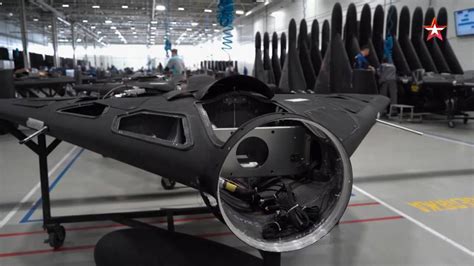
Ukrainian analysts noted that the shape and structure of the CBTS.611000 closely resembles the Shahed-136/Geran-2, though it is notably smaller. These Iranian-designed, Russian-modified drones have been used as kamikaze platforms, launched in waves to overwhelm air defenses.
Earlier this month, photos of a damaged Geran-2 revealed components manufactured in Suzhou, China, further corroborating claims that Chinese industry is intricately involved in Russia’s drone warfare supply chain.
Legal and Diplomatic Fallout
The use of entirely Chinese-made drones in combat raises serious international legal questions regarding arms export controls. It also threatens to further strain China’s relationship with the West, particularly the United States and European Union, both of whom have imposed strict sanctions on military transfers to Russia.
While China argues that it regulates “dual-use exports” under its own legal framework, the clear presence of military-capable Chinese technology on Ukrainian soil suggests loopholes are being exploited.
The EU may consider secondary sanctions or export control tightening, targeting Chinese firms and distributors. These measures could include:
- Blacklisting drone manufacturers like CUAV, Foxeer, and others
- Pressuring e-commerce platforms to remove listings for dual-use components
- Imposing traceability mandates on UAV component supply chains
A Wake-Up Call for Global Supply Chains
The CBTS.611000 incident underscores a broader vulnerability: the civilian-military technology crossover that has enabled state and non-state actors to acquire advanced UAV platforms through commercial channels.
With open-source software, modular components, and easy online access, countries under sanctions—like Russia—can continue to innovate in the military drone space using foreign technologies, often without detection until it’s too late.
Conclusion: An Emerging Axis of Military Tech Cooperation
The presence of a fully Chinese-made drone over Ukraine is not just a tactical development, but a strategic signal. It reveals a deeper level of military-technological collaboration between Russia and China, either through intentional cooperation or permissive negligence.
As the Ukraine conflict grinds on, the invisible war of electronics, supply chains, and dual-use innovation becomes increasingly important. The CBTS.611000 may be the first of many examples, representing a quiet evolution in proxy warfare—one where geopolitical alliances are formed not only through treaties, but through circuit boards and code.
The West must now confront this new paradigm, one where commercial technology rapidly transforms into battlefield weapons, and where alliances are built not in diplomatic chambers, but in the algorithms of autopilot firmware.