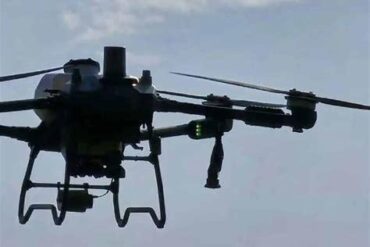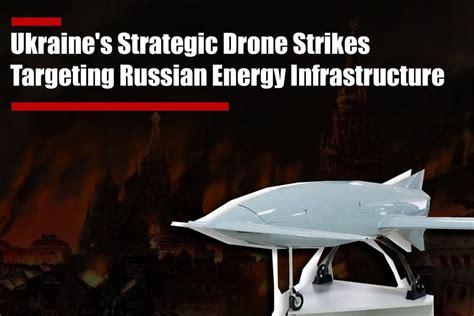
Ukraine’s drone campaign against Russian oil infrastructure has escalated into one of the most strategically consequential operations of the conflict, demonstrating Kyiv’s ability to strike deep inside Russian territory with precision and consistency. Far beyond the immediate front lines, these attacks are crippling refineries, disrupting fuel distribution networks, and applying significant economic pressure on Moscow at a critical time of year when domestic demand peaks.
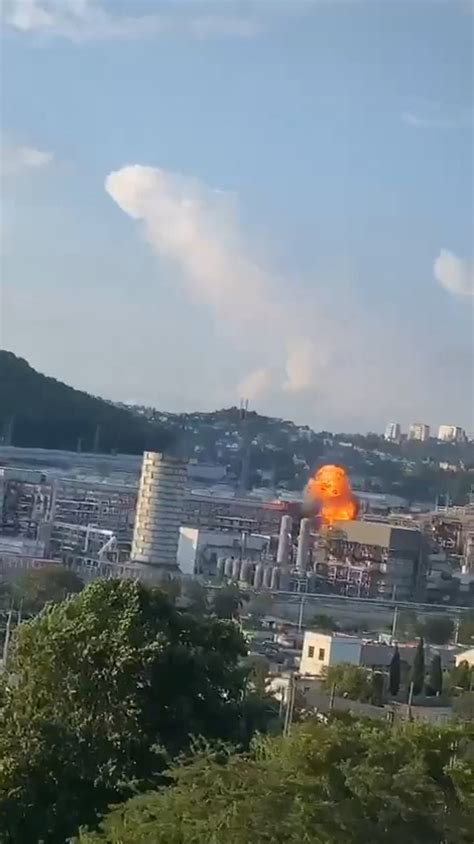
The most recent attack on the Saratov refinery in the Volga region forced the facility to halt crude intake entirely. Operated by state-owned Rosneft, Saratov’s capacity of approximately 140,000 barrels per day represents a significant share of regional fuel processing. Extended shutdowns at such facilities can trigger immediate consequences for domestic gasoline markets, especially during the summer months when consumption naturally surges. Saratov is the third Rosneft refinery affected in a single week, highlighting the sustained intensity and operational reach of Ukraine’s drone strikes.
A Week of Devastating Disruptions
Earlier in August, on the 2nd, Ukraine executed a wave of strikes that caused substantial damage to key Russian refining assets. The Ryazan refinery, Russia’s largest with an annual capacity of 13.8 million tons, experienced a shutdown of roughly half its operations after two of its primary crude distillation units were hit. As the main fuel supplier to the Moscow region, Ryazan’s partial closure has both immediate economic ramifications and significant political implications for the Kremlin. On the same day, the Novokuibyshevsk refinery in Samara, renowned for its technological sophistication, was taken offline entirely due to damage to its AVT-11 unit, which can process 18,900 tons of crude daily. Although a smaller AVT-9 unit remained intact, overall production ceased, with repair timelines estimated at about a month for both facilities.
Subsequent attacks expanded geographically, reaching the Afipsky refinery in Krasnodar, processing 6.25 million tons annually and supplying fuel to the Russian military. A particularly striking example of Ukraine’s reach came with the targeting of Lukoil’s Ukhta refinery in the Komi Republic, nearly 2,000 kilometers from the Ukrainian border, underscoring Kyiv’s capacity to strike critical assets far from frontline areas.
Strategic Motivation Behind Targeting Refineries
Ukraine’s campaign against Russia’s refining infrastructure is deliberately calculated. By taking multiple plants offline simultaneously, Kyiv is not only disrupting domestic fuel supply but also complicating military logistics and forcing Moscow to divert resources from frontline operations to repair critical infrastructure. Facilities like Ryazan, Novokuibyshevsk, Saratov, and Afipsky are linchpins of Russia’s energy economy; their prolonged shutdown risks three major impacts: a decrease in military fuel availability, surging domestic fuel prices, and a reduction in export volumes, all of which exert multifaceted pressure on the Russian war economy.
Timing is crucial. Russian refineries generally operate near full capacity to meet both domestic consumption and export commitments. Targeting several distillation units simultaneously creates an immediate bottleneck, leaving Moscow with limited options. Shifting fuel from other regions involves additional transportation costs, operational delays, and vulnerability to further Ukrainian strikes.
Operational Impact on Russia’s Energy Exports
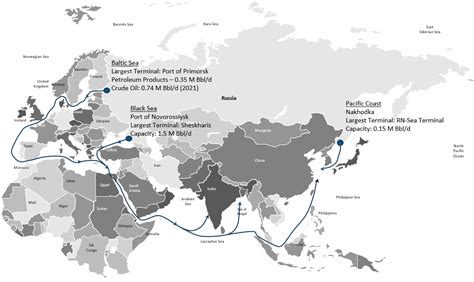
Ukraine’s strikes are already reshaping Russia’s energy export flows. With domestic processing reduced, Moscow has increased crude exports from western ports to nearly two million barrels per day in August, surpassing earlier forecasts by 200,000 barrels. This shift demonstrates how attacks on internal refining capacity can alter international energy strategies, forcing Russia to redirect crude to external markets rather than sustaining domestic supplies.
China, India, and Turkey have emerged as the primary buyers of Russian crude following EU sanctions that sharply curtailed Europe’s imports. China remains the largest, importing roughly $219.5 billion in Russian energy, followed by India at $133.4 billion, and Turkey at $90.3 billion. Despite sanctions, oil continues to be a lucrative export for Moscow, with estimates from the Kyiv School of Economics suggesting Russia earned $12.6 billion from oil in June alone, with potential 2025 exports reaching $153 billion.
Military and Economic Consequences
Ukraine’s strikes extend beyond economic disruption; they directly affect Russia’s military operations. Refineries supply diesel, jet fuel, and gasoline essential for tanks, aircraft, and transport vehicles. Each facility taken offline reduces the fuel available to Russian forces, particularly in occupied Ukrainian territories. This dual impact on military capability and economic stability is often referred to by analysts as “kinetic sanctions”—a physical complement to financial and economic measures that have not fully curtailed Russia’s oil revenue.
The immediate economic consequences are evident. Following the August 2 strikes, Rosneft announced a 60 percent reduction in crude intake for the month, leading to record highs in gasoline prices, with premium AI-95 exceeding 77,000 rubles per ton. Repair timelines extend from one to six months, suggesting that supply shortages and elevated prices may persist well into the year, further straining civilian markets and creating political pressure.
Demonstrating Strategic Reach and Deterrence
Targeting facilities as distant as the Komi Republic sends a clear signal: Ukraine can impose costs on Russia’s energy infrastructure far from active battlefields. This strategic reach forces Moscow to allocate defensive resources to protect infrastructure, complicates internal logistics, and signals to both Russian citizens and leadership that Ukraine possesses the operational capability to strike high-value targets across the country. The psychological effect of these strikes amplifies their tactical significance, projecting strength and operational sophistication.
International and Diplomatic Implications
These attacks also interact with broader international dynamics. Western leaders have intensified pressure on Moscow to negotiate, and every successful Ukrainian strike reinforces Kyiv’s leverage by demonstrating sustained capability to damage critical economic assets. Reports from Bloomberg indicate that U.S. and Russian officials are exploring potential war-ending agreements, potentially including the formalization of Russian control over certain territories. In this context, Ukraine’s refinery strikes not only constrain Moscow’s operational capacity but also enhance Kyiv’s negotiating position.
A Campaign With Multifaceted Effects
Collectively, the refinery attacks generate cascading challenges for Russia. They necessitate expensive repairs, disrupt domestic fuel availability, reduce export potential, and diminish reserves of military fuel. The economic, military, and psychological impacts converge, weakening the Kremlin’s overall strategic posture while enhancing Ukraine’s tactical advantage. By targeting infrastructure critical to both energy distribution and revenue generation, Kyiv leverages drones not merely as battlefield tools but as instruments of economic warfare.
Looking ahead, if Ukraine maintains the current tempo of strikes throughout the summer, Moscow could face the simultaneous challenge of managing domestic fuel shortages, controlling rising prices, and sustaining export earnings, all while attempting to maintain frontline military operations. The campaign illustrates a sophisticated blend of tactical targeting and strategic foresight, demonstrating how precision drone operations can influence both the battlefield and broader national resilience.
Conclusion: Ukraine’s Drone Campaign as Strategic Leverage
Ukraine’s sustained strikes against Russia’s refining network underscore a calculated approach to modern warfare where economic targets are as critical as front-line positions. The systematic disruption of Rosneft and Lukoil refineries, combined with attacks on pumping stations and export terminals, has already forced Moscow to adapt its logistics, redirect exports, and contend with rising domestic fuel prices. Each attack compounds the cumulative effect on Russia’s military readiness and economic stability, signaling that Ukraine is employing drones as force multipliers capable of shaping both the battlefield and the broader war economy. The implications extend beyond immediate material damage; they represent a deliberate strategy to impose maximum strategic pressure on Russia while strengthening Kyiv’s negotiating position and demonstrating operational reach that stretches across hundreds of kilometers of Russian territory.