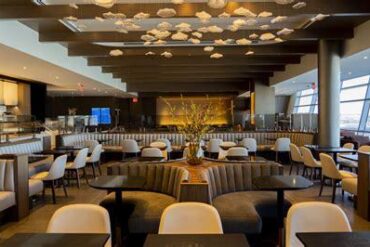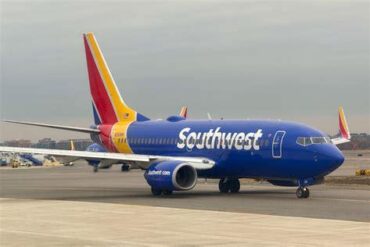
Southwest Airlines is moving rapidly toward a major change in its customer experience strategy, with its first airline-operated airport lounges potentially opening as early as summer 2027. For decades, Southwest built its identity around simplicity, low fares, open seating, and an operational model that deliberately avoided the traditional airport lounge model used by major U.S. network carriers. That strategy is now changing as the airline seeks to attract more premium travelers and strengthen the value of its Rapid Rewards loyalty program.
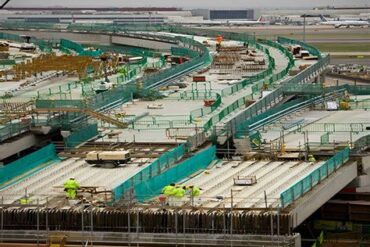
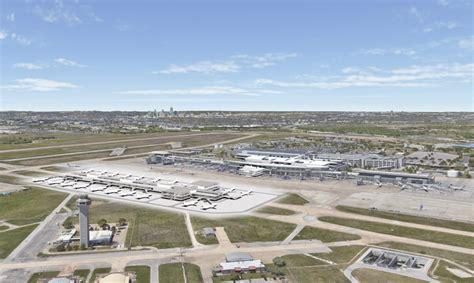
The clearest evidence is emerging from Austin-Bergstrom International Airport (AUS) and Nashville International Airport (BNA), where construction and airport development records point to substantial Southwest-linked lounge projects. Austin’s facility, known in construction documents as Project Oasis, is a proposed 20,000-square-foot premium lounge with a reported construction value of approximately $55 million. Its current scheduled completion date is March 1, 2027.
Nashville is following closely behind. Southwest has secured a building permit for a 30,000-square-foot lounge valued at $53 million, with contractor scheduling reportedly pointing to June 28, 2027, for completion. Construction completion does not necessarily mean passengers will walk through the doors immediately, since furnishing, inspections, staffing, technology installation, and final approvals can all affect an opening date. Nevertheless, the timelines represent the strongest indication yet that Southwest’s lounge era could begin in 2027.
Austin and Nashville Could Launch Southwest’s Lounge Era
The race between Austin and Nashville is significant because both airports have become increasingly important parts of Southwest’s network. The airline has a particularly strong presence at each location, giving it a large pool of passengers who could potentially use a dedicated lounge. More importantly, both airports are experiencing changing competitive dynamics, encouraging Southwest to offer a more differentiated experience to customers willing to spend more.
At Austin-Bergstrom International Airport, Southwest has handled more than nine million passengers over the past year and remains one of the airport’s dominant carriers. The airline is also expanding its physical footprint through the airport’s new concourse development. Southwest is leasing approximately 40,000 square feet of space there, although roughly half is expected to support a new crew base rather than passenger facilities.
The remaining 20,000 square feet are tied to Project Oasis, which is expected to occupy premium lounge space in the West Infill area. Construction records do not explicitly identify Southwest as the tenant, but the tenant contact information and telephone number are linked to an earlier filing involving Southwest facilities at Austin. The evidence therefore strongly points toward the project being Southwest’s first Austin lounge.
Nashville presents an even clearer case. Southwest is already the largest airline at BNA, accounting for roughly 57% of the airport’s passenger traffic according to the supplied project data. The carrier operates a substantial number of departures from Nashville, making a large dedicated lounge commercially logical rather than merely symbolic.
What Southwest’s Nashville Lounge Could Offer
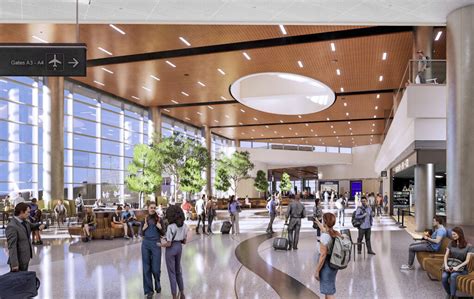
The proposed Nashville lounge is especially interesting because its planned features suggest that Southwest is not simply copying the most basic airline club model. Construction documents indicate a facility designed to accommodate different types of travelers, including families, business travelers, and customers seeking a more comfortable environment before departure.
The lounge is expected to include a bar, buffet, grab-and-go station, and mother’s room, providing the food, beverage, and practical amenities passengers increasingly expect from premium airport spaces. The children’s facilities could be particularly distinctive. Plans reportedly include a treehouse, climbing wall, and interactive floor piano, features that would fit Southwest’s long-standing reputation for being more family-oriented than many traditional network airlines.
That approach could help Southwest avoid creating a lounge that feels like a generic imitation of American Airlines Admirals Clubs, Delta Sky Clubs, or United Clubs. Instead, the airline has an opportunity to build a space that reflects its own customer base while simultaneously introducing a more premium layer to the Southwest experience.
The size is also notable. At 30,000 square feet, the Nashville lounge would be substantial enough to support meaningful passenger volumes. The scale reflects Southwest’s position at BNA and suggests that the carrier is treating lounges as an important component of its future airport strategy rather than as a small experiment.
Honolulu and Denver Expand the Lounge Pipeline
Austin and Nashville are not the only airports pointing toward a broader Southwest lounge network. Daniel K. Inouye International Airport in Honolulu (HNL) has already provided another important piece of evidence. Hawaii’s Department of Transportation has approved a direct Southwest lease for an airline lounge covering approximately 12,000 square feet across two levels.
The facility would occupy what was formerly the Garden Conference Center, and Southwest reportedly received a five-year lease term with at least $20 million in required improvements. Hawaii is strategically important to Southwest because the carrier has developed a substantial network connecting the islands with the mainland and between Hawaiian destinations. A dedicated lounge in Honolulu could therefore serve both frequent local travelers and long-distance customers connecting through HNL.
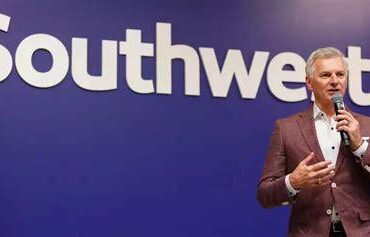
Denver International Airport is another highly likely early destination. CEO Bob Jordan has publicly described lounges as a near-term priority and specifically identified Denver as one of the airports under consideration. Although a construction schedule comparable to Austin or Nashville has not yet emerged, Denver’s importance to Southwest makes it an obvious candidate.
Southwest operates more than 240 daily departures from Denver to nearly 100 destinations, giving the airline an enormous customer base from which to build lounge demand. A Denver lounge would also provide Southwest with a premium foothold at one of the largest and most strategically important airports in the United States.
Dallas Love Field Could Be the Next Major Step
The future lounge map could eventually extend much further. Dallas Love Field (DAL) stands out because it is Southwest’s home airport and one of the most strategically important locations in the airline’s entire system.
The airport is undergoing long-term redevelopment planning, including consideration of common-use lounge facilities. Southwest is also expected to lease 18 of Love Field’s 20 gates under an agreement beginning in 2028. Those developments could create an opportunity for the airline to establish a flagship lounge in its home market.
Washington Reagan National Airport is another possibility. Plans associated with the airport’s future Terminal 1 redevelopment include approximately 10,000 square feet designated for an airline lounge, although no specific carrier has been confirmed for that space.
Other potential locations include Baltimore/Washington, Houston Hobby, Orlando, Chicago Midway, and St. Louis. These airports all have one obvious characteristic in common: Southwest has historically maintained a powerful presence at each. The challenge is that suitable post-security space is limited, and many premium areas have already been claimed by competing airlines.
Southwest’s Lounges Are Really About Loyalty
The most important reason behind Southwest’s lounge strategy may not be airport comfort at all. It is loyalty economics.
Southwest’s leadership has connected the lounge initiative directly to the airline’s strategy for expanding its co-branded credit-card business with Chase. That relationship could become significantly more valuable if premium Southwest credit-card holders receive lounge access as part of their benefits.
The opportunity is enormous. Southwest reported that acquisitions of Chase co-branded cards increased 28% year over year in the second quarter, while revenue from loyalty-partner agreements, including Chase, reached approximately $2.6 billion in the previous year. Those numbers demonstrate how important the loyalty business has become to the airline’s financial strategy.
Airline lounges can strengthen that model because they give customers a tangible reason to pay for a premium credit card. A traveler who rarely thinks about airline status may still be persuaded by lounge access, especially when that benefit is attached to a card used for everyday purchases.
This is where Southwest’s strategy becomes more ambitious. The company does not necessarily need lounges at every airport to benefit financially. It needs enough strategically positioned lounges to make its premium credit-card proposition more compelling across major travel markets.
Chase Could Give Southwest a Larger Lounge Footprint
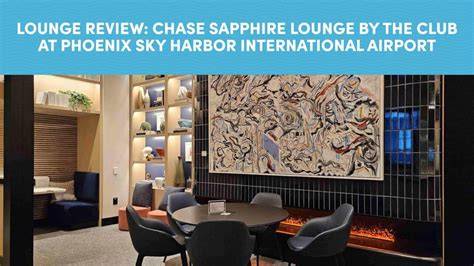
Southwest also has another potential advantage: its relationship with Chase. Chase already operates a growing premium lounge network through its Chase Sapphire Lounge by The Club brand, with locations including Boston, Dallas-Fort Worth, Las Vegas, New York-JFK, New York-LaGuardia, Philadelphia, Phoenix, and San Diego.
That existing infrastructure could complement Southwest’s own facilities. Instead of attempting to build a lounge at every major Southwest station, the airline could potentially use a combination of its own lounges and partner access to create a much broader premium experience.
The arrangement would be particularly useful in markets where airport real estate is expensive or unavailable. If Southwest customers holding an eligible premium card can access a Chase facility instead, the airline could offer a meaningful benefit without having to finance and operate another large lounge.
That makes the Austin, Nashville, Honolulu, and Denver projects more than isolated construction developments. They could become the physical foundation of a broader Southwest premium ecosystem, supported by Rapid Rewards, Chase credit cards, airport lounges, and increasingly differentiated fare products.
A Major Shift for Southwest Airlines
Southwest’s decision to build lounges represents a significant change in philosophy. The airline spent decades proving that it could compete successfully without the premium infrastructure surrounding traditional U.S. legacy carriers. That model worked when Southwest’s greatest advantages were low fares, simple policies, and a distinctive customer culture.
The competitive environment has changed. Travelers increasingly expect premium choices, loyalty benefits, comfortable airport spaces, and credit-card perks from major airlines. Southwest is now responding by adding some of the infrastructure it once deliberately avoided.
Austin and Nashville could therefore become the starting point of a much larger transformation. If the current construction schedules hold, Southwest could have its first airline-operated lounges ready around 2027, with Honolulu and Denver potentially following as the network develops.
The bigger question is how far the strategy will go. Southwest does not need to replicate the enormous lounge footprints of Delta, United, or American to make the program successful. A carefully selected network at its strongest airports, combined with Chase’s existing premium lounge portfolio, could be enough to change how frequent travelers perceive the airline.
Ultimately, the lounge itself may be only the visible part of the strategy. The more valuable asset could be the customer loyalty created around it. For Southwest, a comfortable chair, a meal, and a quiet place to wait for a flight could become the reason a traveler chooses to book another Southwest ticket—and keeps the airline’s credit card in their wallet.