The Federal Aviation Administration (FAA) is facing growing criticism over its handling of air traffic controller pay as staffing shortages continue to place pressure on the U.S. air traffic control system. The controversy centers on a remaining 2.8% pay increase approved by Congress in April, with controllers and former employees questioning why the adjustment has not yet been fully implemented.
The dispute comes at an especially difficult moment for the FAA. The agency remains roughly 3,000 controllers short of its staffing needs, according to the reference material, while facilities across the country continue to contend with overtime, training demands, and scheduling challenges. For controllers already working extended schedules, the disagreement over compensation has become closely connected to a broader concern about morale and retention.
The most striking description of working conditions comes from retired controller Dave Riley, who reportedly told the Washington Examiner that some controllers are working 10-hour shifts six days a week. Riley, who previously worked at Denver International Airport and Phoenix Sky Harbor International Airport, argued that sustained overtime and interruptions to training have made it harder for the FAA to rebuild its workforce.
FAA Air Traffic Controller Raise Faces Delays
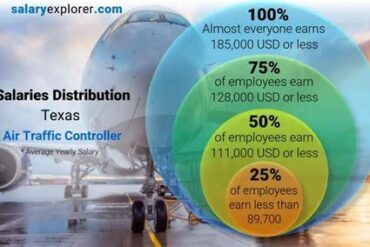
Congress approved funding in April intended to bring controllers’ pay in line with a 3.8% increase awarded to military personnel. Controllers had already received a 1% increase provided to federal employees in January, leaving another 2.8% adjustment to be implemented.
The FAA, however, has indicated that additional conditions may accompany the remaining increase. According to the supplied material, FAA spokesperson Hannah Walden said the agency has discretion under the statute concerning whether the adjustment should be retroactive to January. That interpretation has intensified frustration among controllers who view the congressional approval as an indication that the remaining increase should be delivered without additional performance requirements.
The disagreement therefore extends beyond the percentage itself. At its heart is a question of how the FAA measures productivity in a profession where controllers must balance operational demands, safety requirements, mandatory breaks, training, and fatigue management.
Why 10-Hour Shifts Six Days a Week Matter
The FAA has argued that greater controller utilization and improved scheduling could increase operational efficiency. Administrator Bryan Bedford has pointed to workforce utilization and better use of available tools as areas where performance could improve.
The agency’s proposal reportedly suggests increasing the average time controllers spend actively working positions from approximately four hours during an eight-hour shift to five hours. It is also considering changes to basic watch schedules and reviewing facility operating hours to better match available staffing.
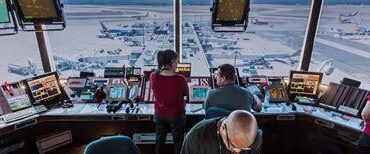
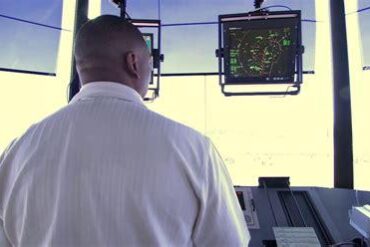
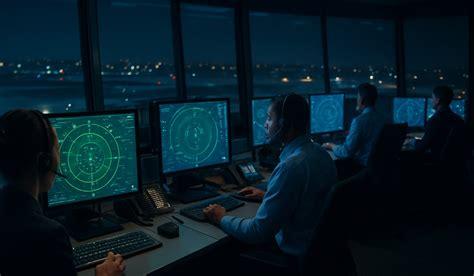
On paper, increasing productive position time may appear straightforward. In practice, air traffic control is not a conventional office job. Controllers work in an environment where concentration, precision, communication, and situational awareness are fundamental. Any scheduling model must therefore account for fatigue and the cognitive demands associated with controlling aircraft.

Staffing Shortages Could Affect Airline Operations
The staffing dispute also has consequences beyond the controllers themselves. When a control tower or air traffic facility operates with minimal staffing, weather, sick calls, equipment issues, or unexpected traffic increases can quickly reduce its ability to absorb additional demand.
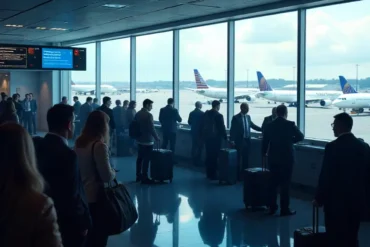
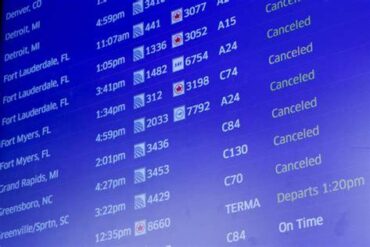
In such circumstances, the FAA may have to restrict the number of aircraft entering or leaving an affected airspace. Those restrictions can create delays that spread well beyond the facility where the staffing problem began. A shortage at one critical location can consequently affect airline schedules, connecting passengers, airport operations, and aircraft rotations across the country.
The reference material also describes concerns from an anonymous controller about professional retaliation and the difficulty of speaking openly about staffing conditions. At facilities operating with extremely narrow staffing margins, the absence of just one or two controllers can reportedly become significant enough to require traffic restrictions.
Overtime Raises Questions About Controller Morale
The central contradiction in the current debate is increasingly difficult to ignore. The FAA is seeking greater workforce efficiency while controllers are already reporting exceptionally demanding schedules.
Excessive overtime may temporarily fill staffing gaps, but it does not necessarily solve the underlying shortage. Extended workweeks can contribute to fatigue, burnout, declining morale, and attrition, potentially making recruitment and retention even harder.
That creates a difficult cycle: fewer controllers increase overtime requirements; greater overtime can increase burnout; burnout can contribute to departures; and departures leave fewer controllers available to cover the workload.
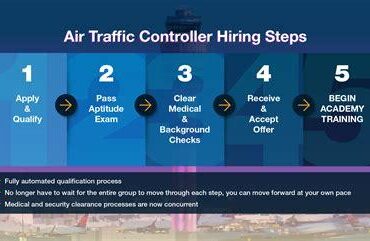
For the FAA, resolving the pay dispute may therefore be only one part of a much larger workforce challenge. Compensation, scheduling, training capacity, staffing levels, and fatigue management are closely connected. Treating them as separate problems risks missing the broader issue confronting the U.S. air traffic control system.
FAA Faces Pressure to Rebuild the Workforce
The controversy over the 2.8% increase highlights a fundamental challenge facing the FAA: improving productivity while maintaining a sustainable workforce. Controllers are responsible for one of the most safety-critical functions in commercial aviation, and the system depends on having enough qualified personnel available to perform that work consistently.
If the agency can improve scheduling and make better use of technology without simply transferring additional pressure onto an already strained workforce, efficiency gains could help. But if longer shifts and increased utilization become substitutes for hiring and training enough controllers, the underlying staffing problem could remain unresolved.
For now, the 2.8% controller pay increase has become a symbol of that larger dispute. Controllers want recognition for the demanding conditions under which they work, while the FAA is emphasizing operational efficiency and workforce utilization. With thousands of positions still needing to be filled, how that balance is resolved could have consequences for both the workforce and the reliability of America’s air traffic system.