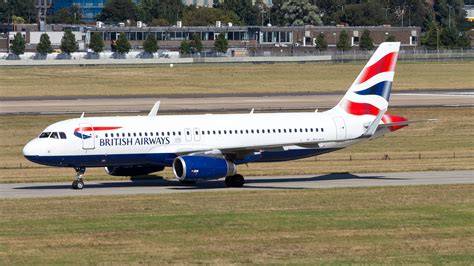
A routine British Airways flight from Frankfurt to London has become the center of a legal dispute after a passenger allegedly suffered lasting vision and cognitive problems when a metal water bottle fell from an overhead locker and struck her while she was sleeping. The incident occurred aboard BA903, an Airbus A320 operating from Frankfurt Airport to London Heathrow Airport on August 28, 2024.
The passenger, 53-year-old Kentucky resident Adrea Stendel, claims the impact caused a serious head injury that continues to affect her daily life. According to the lawsuit, Stendel was seated in an aisle seat and had fallen asleep after takeoff when another passenger opened an overhead compartment to retrieve a personal item. A full metal drinking bottle was allegedly displaced and fell at speed, striking Stendel on the head.
The consequences described in the complaint extend well beyond the initial injury. Stendel alleges that the bottle lacerated her scalp and caused a concussion, followed by persistent visual and cognitive difficulties. Among the reported conditions are exophoria and convergence misalignment, problems that can interfere with the eyes’ ability to coordinate properly and maintain a single image. She says she has experienced double vision and other chronic visual problems since the incident.
British Airways Overhead Bin Accident Leads to Lawsuit
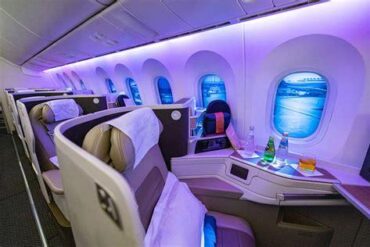
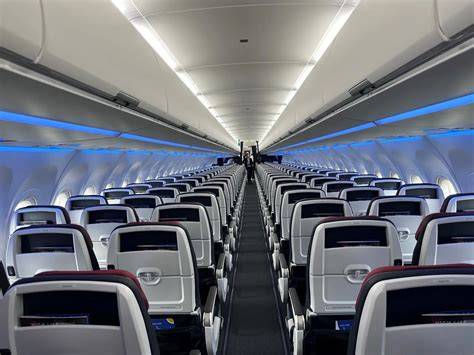
The lawsuit focuses not only on the falling bottle itself but also on the alleged design and safety arrangements surrounding the aircraft’s overhead storage compartment. Stendel claims the overhead bin did not have a retention barrier, safety net, or containment screen capable of preventing a heavy loose object from falling when the compartment was opened.
Her attorney, Robert Morrin, has argued that Stendel was particularly vulnerable because she was asleep and therefore had no opportunity to react before the object struck her. The complaint also alleges that cabin crew did not provide adequate assistance after the accident and failed to complete an incident report that Stendel says she was told would be prepared.
The distinction is important because passengers routinely store personal belongings above their seats, and overhead compartments are designed around the expectation that items will remain contained during normal flight operations. However, the lawsuit’s allegations do not establish that British Airways was legally responsible. The carrier has confirmed that the matter is subject to ongoing legal proceedings and has not provided substantive comment while the case continues.
Lasting Vision Problems After BA903
The most significant element of Stendel’s claim is the alleged persistence of her symptoms. According to the complaint, she has suffered double vision, visual-processing difficulties, and cognitive impairment following the accident. She was reportedly tested in the bottom third percentile for visual memory after the incident, adding another dimension to the claimed effects of the head trauma.
At the time of the flight, Stendel was preparing to take the Occupational Therapy national board licensing examination. The lawsuit alleges that the injuries made it impossible for her to proceed as planned, ultimately forcing a 12-week delay in taking the examination.
The case therefore illustrates how an apparently isolated cabin accident can have consequences that continue long after an aircraft reaches its destination. A bottle weighing only a few pounds can become a dangerous projectile when it falls from an elevated storage compartment, particularly when the passenger below is asleep and cannot brace for impact.
What Happened on British Airways Flight BA903?
Stendel had originally been assigned seat 13B, but another passenger offered her an aisle seat before departure. She accepted the change and later fell asleep following an otherwise routine takeoff from Frankfurt.
During the flight, another passenger reportedly opened an overhead locker to retrieve a personal item. The complaint alleges that the movement caused the metal water bottle to become displaced and fall onto Stendel. The object allegedly struck the top of her head, producing a scalp laceration and concussion.
Cabin crew reportedly responded with first aid, including a trash bag filled with ice intended to help manage the injury. The complaint claims that the ice quickly melted and soaked Stendel, adding further discomfort during an already distressing situation.
The incident occurred on an Airbus A320, a narrow-body aircraft widely used for short- and medium-haul European routes. The flight from Frankfurt to Heathrow was part of Stendel’s journey toward an onward connection to the United States.
How Passengers Can Reduce Overhead Locker Risks
The legal dispute also highlights a familiar but easily overlooked aspect of air travel: how passengers store loose belongings in overhead bins. Cabin luggage can shift during boarding, and objects that appear secure may move when a compartment is opened.
Standard good practice is to place roller bags securely inside the compartment, often with their wheels positioned appropriately and the bag resting on its side where space allows. Backpacks and smaller bags should remain fully zipped, while loose objects such as water bottles, souvenirs, duty-free purchases, and other personal items are better placed inside a larger bag whenever possible.
It remains unclear exactly how the bottle involved in Stendel’s accident had been positioned inside the locker. That detail could become relevant as the legal proceedings examine what happened immediately before the object fell.
What the British Airways Lawsuit Could Mean for Cabin Safety
The case raises broader questions about overhead bin safety on passenger aircraft without necessarily proving that existing aircraft designs are inadequate. Overhead compartments are engineered to contain baggage under expected operating conditions, but passengers frequently place a wide variety of objects inside them.
Stendel’s allegations put particular attention on whether additional retention measures could reduce the risk of loose heavy objects escaping when a bin is opened. The lawsuit also raises questions about how cabin crews should respond when a passenger is injured by falling baggage and how such incidents should be documented.
For now, the allegations remain allegations, and the outcome will depend on the evidence presented during the legal process. Nevertheless, the BA903 incident is a stark reminder that cabin safety does not end once an aircraft is airborne. For Stendel, what began as an ordinary flight from Frankfurt to London allegedly resulted in a prolonged medical, professional, and legal ordeal—one that could ultimately influence how passengers and airlines think about something as ordinary as an overhead locker.