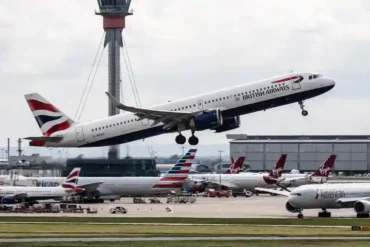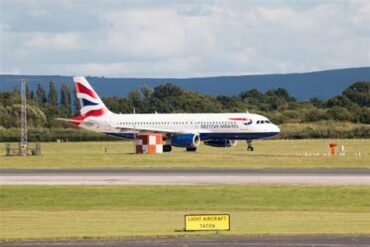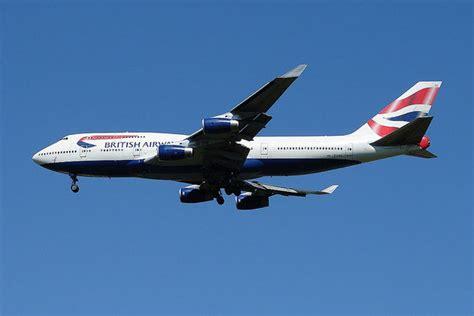
British Airways (BA) is under mounting criticism following the removal of bottled water from meal trays on select long-haul flights between London Heathrow and major U.S. destinations, sparking a storm of discontent among economy passengers. The controversial move, aimed at reducing single-use plastics, has inadvertently positioned the airline at the center of a growing debate around the balance between sustainability initiatives and perceived customer service reductions.
A Cost of Going Green: Water Bottle Removal Trial Sparks Discontent
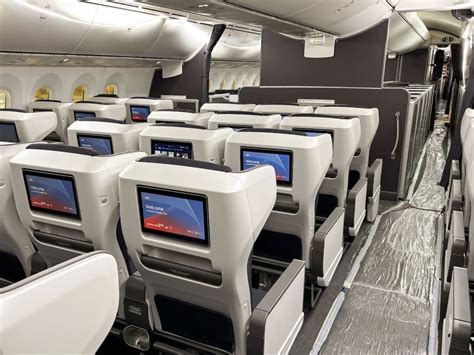
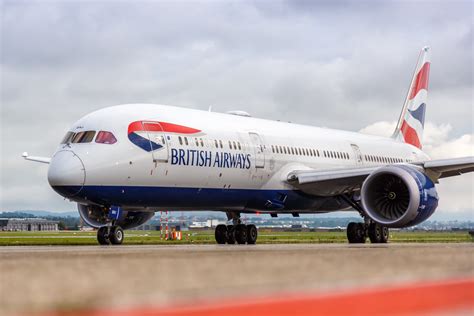
In early June 2025, British Airways initiated a limited-time trial on three transatlantic routes: London to Miami (MIA), Boston (BOS), and Los Angeles (LAX). This trial, slated to run through June 22, eliminated bottled water in the World Traveller (Economy) and World Traveller Plus (Premium Economy) cabins. Instead, passengers were served water in paper cups — a symbolic gesture, according to BA, toward a more sustainable future.
However, the gesture quickly unraveled as passengers found themselves without an option to hydrate freely. One traveler, posting on the FlyerTalk forum, described how he was offered champagne during the flight but was flatly denied a bottle of water. The cabin crew explained that bottled water was deliberately removed as part of a trial, an explanation that fueled anger rather than understanding.
Sustainability or Strategic Cost-Cutting?
While British Airways framed the trial as part of its broader sustainability strategy, the lack of alternatives — such as canned or boxed water — raised red flags. For many frequent flyers, the decision felt less about the planet and more about the bottom line.
The airline’s choice to implement the change with minimal transparency only added fuel to the fire. There was no pre-flight notice, no advanced communication, and no proactive advice for passengers to bring reusable bottles. For some, this lack of forewarning crossed the line from inconvenience into negligence.
Critics were quick to point out that this is not an isolated case. British Airways has repeatedly faced accusations of service downgrades masquerading as sustainability efforts. In October 2023, the airline triggered backlash in what passengers dubbed “Brunchgate” — a highly unpopular decision to replace hot lunches with breakfast-only meals on long-haul morning flights. The blowback was so intense that BA had to partially reverse the decision after sustained complaints.
Passengers in Economy Bear the Brunt
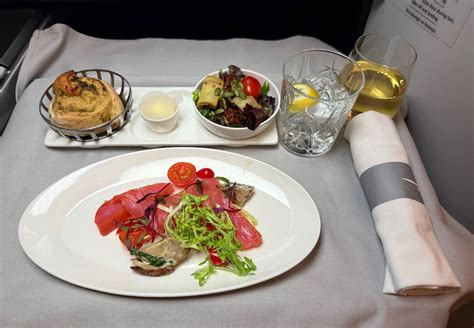
Importantly, the water bottle removal applies exclusively to Economy and Premium Economy travelers. Passengers flying Club World (Business) or First Class remain unaffected — a fact that has led many to accuse BA of creating a two-tier sustainability policy, where only lower-paying customers are expected to endure service cuts for the sake of the environment.
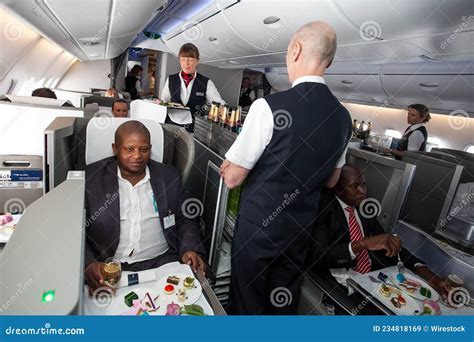
The optics are striking: economy passengers are denied water bottles under the guise of environmental stewardship, while business travelers sip freely — insulated from the changes that are supposedly urgent for the airline’s sustainability goals.
Frequent travelers and aviation analysts alike are raising questions about the credibility and sincerity of BA’s environmental messaging. If environmental responsibility were truly the aim, critics argue, then meaningful, airline-wide alternatives would have been implemented — including investment in biodegradable packaging, boxed water, or even water refilling stations onboard.
Erosion of Trust and Loyalty
This latest incident compounds a growing perception that British Airways has gradually shifted from premium service to cost-focused operations. Over the past few years, the airline has introduced a number of cost-saving changes, including replacing full meals on long-haul flights with “snack boxes”, or reducing cabin staff on certain routes — all while ticket prices have remained high.
In the World Traveller cabin, the removal of bottled water follows a series of similar moves, such as limiting hot meals, reducing snack offerings, and simplifying amenity kits. For many travelers, especially those on long-haul red-eye routes, such reductions seriously impact comfort, hydration, and health.
BA’s public relations strategy has also come under scrutiny. In this case, critics argue the airline could have avoided the backlash entirely by providing timely and transparent communication. A simple notice — via email or during online check-in — encouraging passengers to bring their own reusable water bottles could have reframed the initiative as an eco-conscious collaboration rather than an unannounced cost-cutting ploy.
A Pattern of Unannounced Service Cuts
The water bottle controversy mirrors an established pattern in BA’s recent history. On ultra-long-haul routes like Cape Town and Singapore, travelers have reported downgraded meal services, often receiving only soup or sandwiches instead of full dinner options. On late-night flights from U.S. cities, passengers frequently complain of being served minimal snacks, with no hot meals available even after hours in transit.
In response to such criticisms, British Airways often cites “customer feedback” as a driving force behind service changes. However, many travelers find this reasoning disingenuous — arguing that actual feedback is rarely taken into account and that convenience and costs are being prioritized over passenger well-being.
The Dangers of Undermining Brand Value
British Airways has long marketed itself as a premium flag carrier, touting a legacy of excellence in international service. But these repeated service reductions are threatening to erode the very brand equity the airline once commanded.
For global travelers choosing between a growing field of competitors — including Emirates, Qatar Airways, and Singapore Airlines — BA’s ongoing service rollbacks may well influence booking decisions. In a competitive international landscape, even seemingly small changes like removing bottled water can tip customer loyalty toward more consistent rivals.
Passenger Expectations vs Airline Realities
A modern, sustainability-conscious traveler understands the need to reduce plastic waste. But such initiatives must be carefully designed, equitably applied, and clearly communicated. British Airways’ failure to meet any of these criteria in the water bottle trial exemplifies a disconnect between the airline’s messaging and passenger experience.
By choosing not to invest in creative eco-friendly alternatives, such as aluminum water bottles, water dispensers, or compostable packaging, BA has drawn accusations of greenwashing — using the veneer of sustainability to justify cuts that disproportionately affect the least privileged passengers.
Moreover, when pressed for answers, the airline has offered only vague responses, citing its ongoing environmental efforts and pointing to a future review of the trial’s outcome. For affected travelers, the response has felt hollow.
The Bigger Picture: Aviation and Environmental Responsibility
The aviation industry faces enormous challenges in reducing its environmental footprint. From carbon emissions to waste management, airlines are under increasing pressure to adopt sustainable practices. However, these efforts must not come at the expense of basic passenger rights — especially hydration and comfort on long-haul journeys.
British Airways finds itself at the crossroads of a difficult conversation: how to be a leader in sustainability while maintaining its premium identity. The water bottle trial, instead of being a symbol of progressive change, has become a flashpoint — underscoring how not to implement eco-focused transitions in a way that garners support from customers.
Looking Ahead: Can British Airways Recover?
British Airways has stated that the trial will conclude on June 22, after which the results will be evaluated. However, for many passengers, the damage is already done. The trial’s implementation has highlighted deeper issues within the airline’s customer engagement strategy and long-term service philosophy.
To regain trust, BA must take concrete steps:
- Provide transparent communication around all sustainability trials in the future.
- Offer practical, eco-friendly hydration alternatives that do not diminish passenger comfort.
- Ensure changes apply across all cabins to avoid elitist optics.
- Demonstrate a genuine commitment to sustainability with measurable outcomes and credible reporting.
Until such changes are made, British Airways risks being seen not as a leader in green aviation, but as a carrier using environmental concerns as a smokescreen for austerity measures. Passengers, increasingly aware and vocal, are unlikely to accept such trade-offs quietly.
The trial may have been short, but its impact on British Airways’ reputation could be long-lasting.