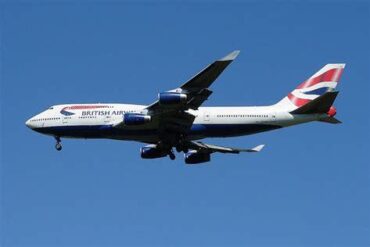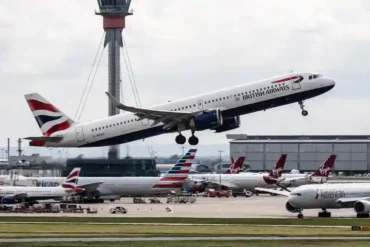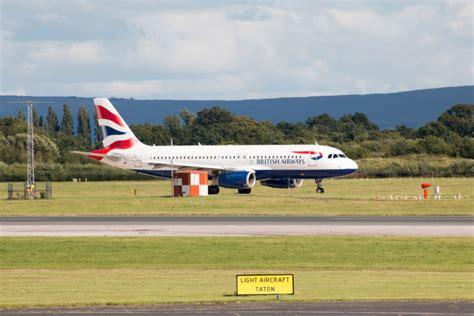
British Airways is currently facing intense scrutiny following the implementation of a controversial sustainability trial that has sparked significant passenger backlash. This initiative, which eliminates bottled water from long-haul Economy and Premium Economy cabins on flights to the US and Singapore, has raised eyebrows and ignited debates about the airline’s commitment to customer service versus its environmental goals. While British Airways asserts that this move is part of a broader strategy to reduce single-use plastics, critics are quick to argue that it represents a troubling trend of sacrificing passenger comfort for cost-cutting measures.
The trial affects travelers flying between London Heathrow and three major U.S. cities: Miami, Boston, and Los Angeles. Running from early June through June 22, the policy replaces bottled water with servings in paper cups, which are distributed manually by the flight crew. Passengers in the World Traveller (Economy) and World Traveller Plus (Premium Economy) cabins are the ones impacted, while those in Business and First Class continue to enjoy the full bottled water service. This change is also part of a larger effort to replace plastic tumblers with paper cups as a means of supporting the airline’s stated commitment to reducing single-use plastics onboard.
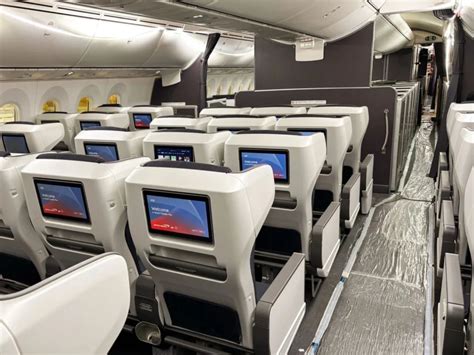
As expected, this trial has sparked public outrage among passengers who feel that the removal of bottled water is another blow to the overall quality of in-flight services. For instance, a traveler on a Miami-to-London flight reported being denied bottled water in the Economy cabin, yet champagne was still available. This discrepancy has led many to question the sincerity of the airline’s environmental claims. Critics suggest that the removal of bottled water—without offering alternatives like boxed or aluminum options—raises doubts about whether this initiative is genuinely environmentally motivated or merely a way to cut costs under the guise of sustainability.
The backlash has been swift, with passengers taking to social media platforms to express their frustration. Many have pointed out that the measure appears less about reducing plastic waste and more about trimming operating costs. This perception is compounded by the lack of transparency and forewarning regarding the change, further exacerbating the dissatisfaction among travelers who feel blindsided by the new policy.
This latest change is not an isolated incident but rather part of a worrying pattern of eroding in-flight services at British Airways. Over the past few years, the airline has gradually scaled back its in-flight offerings, particularly on long-haul flights. In the Club World (Business Class) cabin, the airline has replaced full meal offerings with lighter options such as paninis and soup on overnight flights to destinations including Cape Town and Singapore. Moreover, numerous eastbound passengers flying from the United States have reported subpar catering experiences, describing the in-flight service as markedly diminished compared to previous years. While British Airways maintains that these changes are based on customer feedback, many travelers are skeptical, suspecting that the airline is prioritizing cost management over quality service.
Compounding these frustrations is the airline’s failure to communicate effectively with its passengers. A significant point of contention revolves around the lack of advance notification regarding the bottled water ban. Had British Airways sent a simple email informing customers to bring reusable water bottles or prepare for a change in service, many travelers would have appreciated the opportunity to plan accordingly. Instead, passengers boarded their flights expecting the usual amenities, only to be met with an unannounced policy shift that left them feeling undervalued and neglected. This lack of proactive communication has significantly damaged customer trust, especially among frequent flyers who perceive that the brand no longer values their loyalty or prioritizes passenger comfort in Economy cabins.
The debate surrounding this trial ultimately centers on whether British Airways is genuinely committed to sustainability or merely enacting budget cuts disguised as eco-friendly initiatives. Critics argue that if the airline were truly dedicated to environmental responsibility, they could have introduced practical alternatives such as recyclable boxed water or aluminum cans instead of outright removing bottled water. By failing to offer viable options and focusing exclusively on lower-tier cabins, there is a growing sentiment that financial considerations are overshadowing passenger experience.
To address the rising dissatisfaction among its passengers, British Airways must navigate an uphill battle to regain trust. The current trial has become emblematic of the broader tension between corporate sustainability goals and the perceived erosion of value in Economy-class travel. As the airline grapples with mounting criticism, it must implement future sustainability efforts with greater transparency and thoughtful communication. The introduction of innovative alternatives that respect both the environment and the needs of paying passengers will be critical in restoring faith in the airline’s commitment to customer satisfaction.
In summary, British Airways stands at a crossroads. The decision to eliminate bottled water from its Economy and Premium Economy cabins has ignited a storm of discontent among passengers who feel that their comfort and convenience have been sacrificed in favor of questionable sustainability practices. Moving forward, it is imperative that British Airways not only addresses the immediate concerns raised by this trial but also reevaluates its approach to in-flight services and sustainability. By doing so, the airline can hope to mend its relationship with passengers and reaffirm its dedication to providing a quality travel experience while honoring its environmental commitments.