The global premium-cabin market is undergoing a profound realignment as airlines recalibrate their fleets, pricing strategies, and cabin investments. For decades, first class represented the highest expression of in-flight luxury, yet the modern long-haul landscape tells a different story. Across major carriers, the tide has shifted decisively toward business class, a cabin that has evolved so dramatically that its newest generation now rivals, and in many cases surpasses, the experience once reserved exclusively for first class.
This transition is not subtle. It is structural, commercial, and consumer-driven. As airlines refine their understanding of profitability and passenger expectations, the once-iconic first class cabin increasingly appears to be an indulgence that fewer carriers are willing to maintain.
Airlines Retreat From First Class As Economics Shift
A growing number of international airlines have retired first class editions from their fleets entirely, acknowledging that the revenue simply does not justify the square footage. Executives at legacy carriers such as American Airlines have been explicit: premium travelers are unwilling to pay for a first class ticket when modern business class provides comparable privacy, lie-flat comfort, and elevated service. In late 2022, American Airlines confirmed it would remove first class from all long-haul aircraft, citing persistently weak demand.
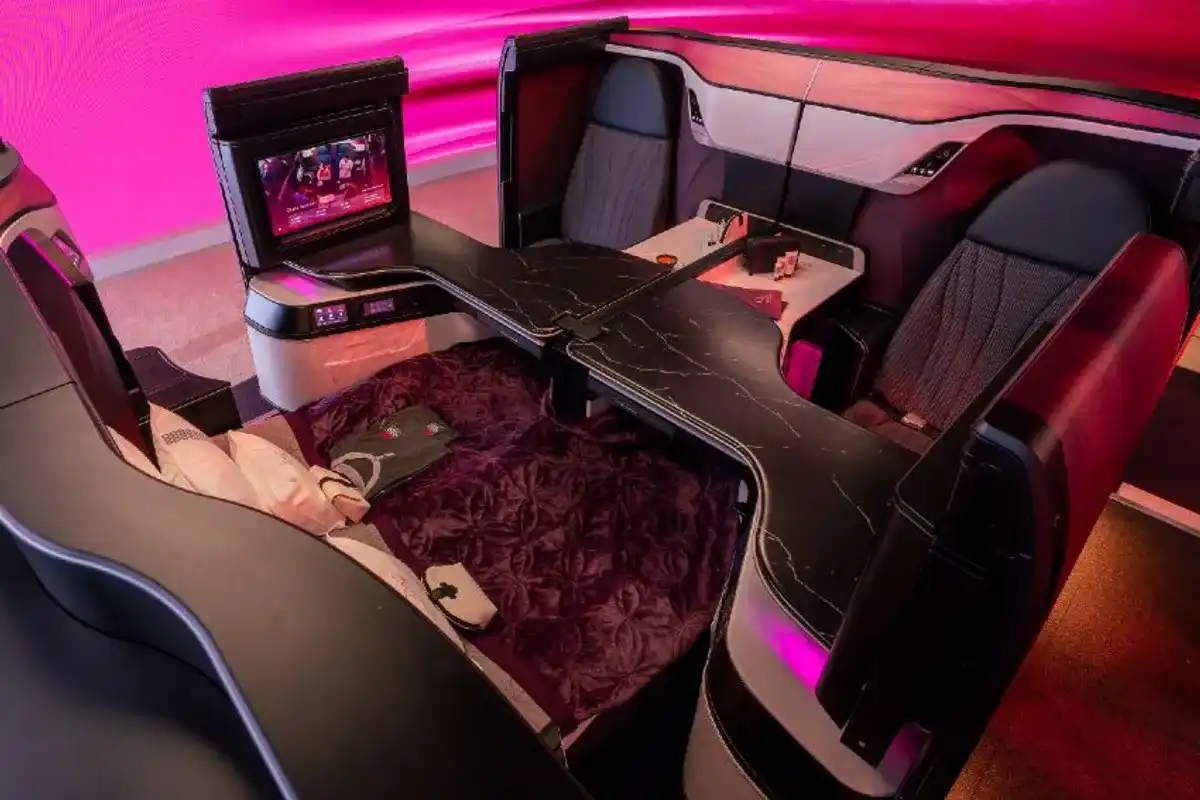
Others followed. Qatar Airways, long synonymous with ultra-luxury, stunned observers when it announced in early 2023 that it saw “no necessity” in continuing first class development in an era dominated by its celebrated Q-Suite. Although Qatar later reversed the decision for upcoming widebody aircraft, the message signaled an unmistakable recalibration of priorities.
Emerging carriers, including the ambitious Riyadh Air, have opted against first class altogether. Instead, they are investing in three-cabin designs that maximize revenue per square foot: business, premium economy, and economy. Meanwhile, airlines such as Malaysia Airlines, Air New Zealand, LATAM, and Air Canada have decisively eliminated first class, opting to channel investment into next-generation business class suites.
The Passenger Shift: When Business Class Becomes “Good Enough”
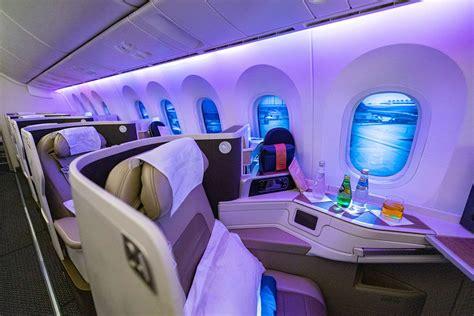
Passenger psychology has played as powerful a role as airline economics. Business class today offers the core attributes that once exclusively defined first class: lie-flat beds, suite-style enclosures, sliding doors, high-end bedding, and premium dining. For a majority of premium travelers, the incremental cost of first class does not align with the incremental benefit.
Corporate travel behavior accelerated the shift. Companies continue to approve business class fares but rarely authorize first class tickets. Travelers paying personally, meanwhile, see modern business class as aspirational yet attainable. The ultra-wealthy have also diverged toward private aviation, leaving airlines with a shrinking demographic willing to pay four times the price of business class for marginal improvements.
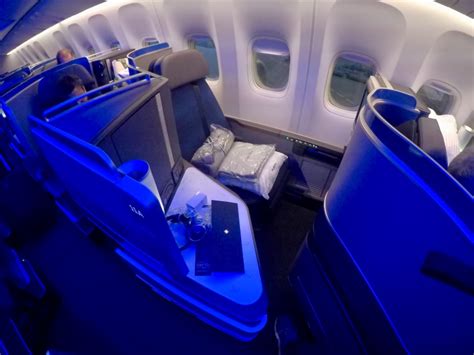
In the United States, the definition of “first class” has blurred. Domestic first class seldom includes lie-flat seating, premium service, or exclusive perks, making it indistinguishable from enhanced economy on many routes. The effect is a diluted product that lacks relevance in a market where business class—exemplified by United’s Polaris cabin—sets the true premium standard.
Why Some Airlines Keep First Class Alive
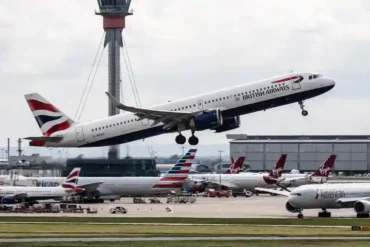
Not every airline is walking away. A select group continues to invest heavily in ultra-luxury cabins designed for exclusivity rather than efficiency. Emirates, Singapore Airlines, Etihad, Air France, Lufthansa, British Airways, and Qantas still operate first class on flagship aircraft such as the Airbus A380 or Boeing 777.
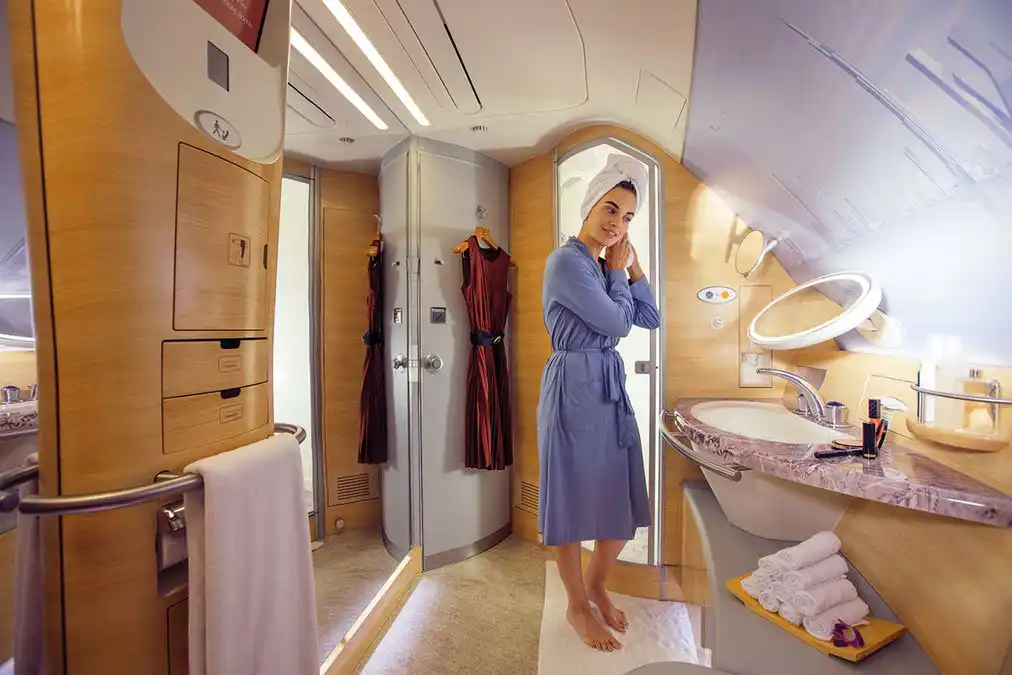
These carriers view first class not primarily as a revenue engine, but as a brand halo—a symbol of prestige and craftsmanship. Emirates’ shower spa, Singapore Airlines’ expansive A380 suites, and Etihad’s multi-room Residence offer experiences intentionally beyond the reach of most travelers. The limited but lucrative audience for these products includes high-net-worth individuals, luxury travelers, and passengers redeeming substantial loyalty points.
This niche strategy relies on emotional appeal rather than pure economics. First class becomes an emblem of refinement, not a mass-market product. It is a curated rarity, not a scalable business model.
How Business Class Surpassed First Class in Value and Design
In purely functional terms, modern business class now represents what first class embodied a decade ago. Airlines have poured design innovation into business suites with full-height doors, expansive side consoles, wireless charging, and direct aisle access. The evolution began when British Airways introduced the first fully flat business seat in 2000, setting a new global benchmark.
Today’s business class cabins deliver precisely what the contemporary traveler prioritizes: privacy, sleep quality, digital convenience, and consistent service. Business class has become the new premium default, while first class has retreated to an aesthetic of ultra-personalized indulgence.
Meanwhile, premium economy has taken over the space once occupied by older-generation business class, creating a clear three-tier hierarchy that appeals to a broader set of budgets and expectations. The result is a stable and financially rational cabin structure in which business class dominates the premium segment.
The Future: A Divided Path For First Class
The fate of first class is no longer universal; it is regional and brand-specific. In North America, the product’s identity has nearly faded outside select transoceanic routes. In Europe, first class persists mainly among flag carriers whose national brand narrative relies on prestige. In the Middle East, first class remains intertwined with cultural expectations of hospitality and spectacle.
There are signs of renewal in isolated pockets. Qatar Airways, under new leadership, has pledged a next-generation first class experience for upcoming long-haul aircraft. Air France and Lufthansa have upgraded their flagship suites with ultra-private cabin designs. And airlines operating the spacious Airbus A380 often choose to keep first class onboard, leveraging the aircraft’s architectural flexibility.
Still, the market reality is unmistakable. Business class is the star performer—cost-efficient for airlines, desirable for travelers, and continuously evolving. First class has become a boutique offering for the elite, a shimmering artifact of aviation luxury rather than a core product.
The industry will continue reshaping itself around demand, but the trajectory is clear: business class is now the global premium standard, and its momentum shows no signs of slowing. First class may endure, but it will do so as an emblem of exclusivity, not as the flagship offering of the world’s airlines.