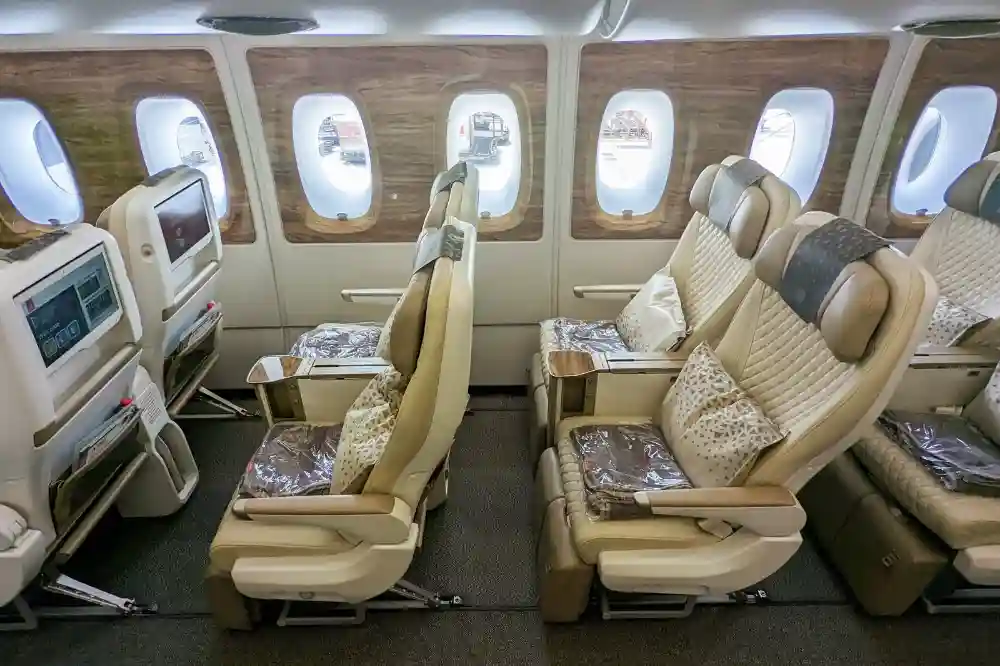
For years, Emirates’ Airbus A380 has represented the ultimate symbol of long-haul luxury, featuring spacious cabins, onboard lounges, private suites, and one of the aviation industry’s most recognizable passenger experiences. However, a quieter transformation has been taking place inside the aircraft. While first class and business class continue to attract premium travelers, Emirates Premium Economy on the Airbus A380 has emerged as one of the airline’s most strategically important products, especially on Europe-Dubai routes.
The reason is simple: many travelers flying between Europe and Dubai are looking for something better than economy class but do not necessarily need the full luxury of business class. With flight times typically ranging between five and seven hours, these routes occupy a unique middle ground. The journey is long enough for economy seating to become uncomfortable, yet often too short for passengers to fully justify paying thousands more for a lie-flat business class seat.
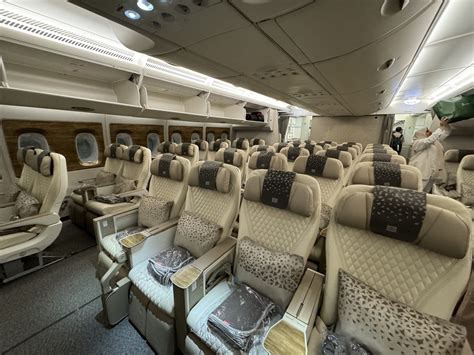
This has created the ideal environment for premium economy to become the sweet spot. Emirates has positioned its Airbus A380 premium economy cabin as a balanced option, offering more space, upgraded dining, and a more relaxed experience without the extreme cost of business class. For travelers heading from major European cities to Dubai, the cabin delivers exactly what many passengers actually want: comfort without unnecessary extravagance.
Why Emirates Is Different From Other Middle Eastern Airlines
Among the major Gulf carriers, Emirates has taken a distinctive approach to premium economy. While competitors such as Qatar Airways and Etihad Airways have focused heavily on business class innovation, Emirates has invested heavily in building premium economy into its long-term fleet strategy.
The airline began introducing premium economy as part of a broader effort to refresh its passenger experience. Unlike limited trial products offered by some airlines, Emirates has been expanding the cabin across multiple aircraft types, including the Airbus A350-900, Boeing 777-200LR, Boeing 777-300ER, and Airbus A380.
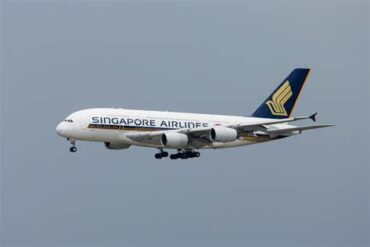
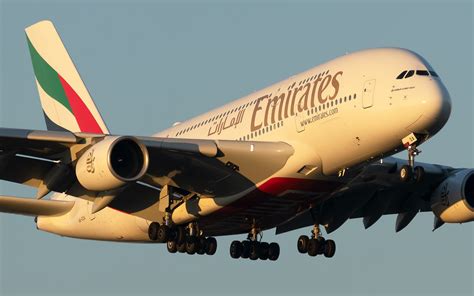
The Airbus A380 remains the centerpiece of this strategy. As Emirates’ most famous aircraft, the double-decker jet serves many of the airline’s most important international routes. Its large size allows Emirates to install a substantial premium economy cabin while maintaining strong capacity in first class, business class, and economy.
Emirates operates one of the world’s largest Airbus A380 fleets, with more than 100 aircraft, making the aircraft an important platform for introducing premium economy to millions of passengers. The airline has already retrofitted dozens of A380s with the cabin, particularly focusing on high-demand routes across Europe, North America, and Asia.
The Airbus A380 Cabin Design Gives Emirates Premium Economy a Major Advantage
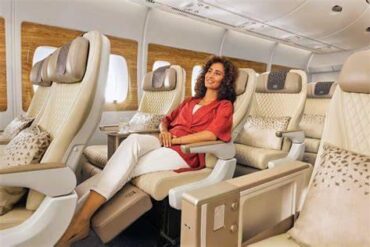
The Airbus A380 naturally provides Emirates with more flexibility than smaller widebody aircraft. Depending on configuration, Emirates’ A380 premium economy cabin features 56 seats, positioned either on the main deck or, in some newer layouts, on the upper deck where first class previously existed.
The seat itself is based on the Recaro PL3530 premium economy design, a product widely used across the aviation industry. However, Emirates enhances the experience with generous spacing. The seats offer approximately 40 inches of pitch, giving passengers noticeably more legroom compared with standard economy seating.
That extra space becomes particularly valuable on Europe-Dubai flights. A six-hour journey in economy can feel restrictive, especially when passengers are unable to stretch comfortably or adjust their seating position. Premium economy creates a more relaxed environment where travelers can work, watch movies, eat, or simply rest without feeling confined.
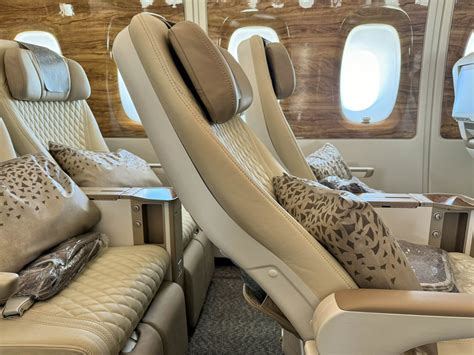
The cabin layout also contributes to the experience. Emirates configures premium economy differently depending on aircraft type, using wider arrangements compared with economy. On the A380 upper deck, passengers benefit from a more exclusive atmosphere, while the smaller cabin size creates a quieter and more personalized environment.
Although it does not provide the privacy or sleeping capability of business class, premium economy focuses on practical comfort. For many travelers, that is precisely its appeal.
Enhanced Dining and Service Create a More Premium Journey
The difference between economy and premium economy is not limited to the seat. Emirates has also upgraded the service experience to make passengers feel they are receiving a meaningful improvement.
Premium economy passengers receive meals served on chinaware with metal cutlery, creating a more restaurant-style experience compared with economy service. Menus feature seasonal dishes inspired by different regional cuisines, while beverage options are expanded with additional wine selections.
Small details also contribute to the perception of a premium product. Passengers receive sustainable amenity pouches containing travel essentials and skincare products, adding a touch of hospitality that bridges the gap between economy convenience and business class luxury.
Because premium economy cabins are significantly smaller than economy sections, passengers often receive more attentive service. Cabin crew can spend more time assisting travelers, creating a calmer and more personalized atmosphere throughout the flight.
For many passengers traveling to Dubai for holidays, business meetings, or connecting journeys, these improvements make a noticeable difference without requiring the expense of a business class ticket.
Why Europe-Dubai Flights Are Perfect for Premium Economy
The success of Emirates premium economy on European routes is closely linked to flight duration. Premium cabins generally provide greater value on longer journeys, but the definition of “long” varies depending on passenger needs.
A flight from London to Dubai, Paris to Dubai, Frankfurt to Dubai, or Milan to Dubai is not usually long enough for many travelers to maximize the advantages of business class. A lie-flat seat is extremely valuable on overnight flights lasting 10 or more hours, but on a six-hour daytime journey, some passengers may not consider the additional cost worthwhile.
At the same time, economy class can still feel tiring. Limited legroom, narrower seats, and fewer personal comforts become noticeable even before reaching ultra-long-haul territory.
This is exactly where Emirates premium economy performs best. It removes the biggest frustrations of economy class while avoiding the premium price level of business class.
For leisure travelers, families, and corporate passengers traveling under controlled budgets, premium economy provides a practical upgrade. It offers more comfort during the flight while leaving additional money available for hotels, activities, or business expenses after arriving in Dubai.
Premium Economy Also Makes Strong Business Sense for Emirates
The popularity of premium economy is not only beneficial for passengers. It also represents a valuable financial opportunity for Emirates.
Airlines constantly balance passenger comfort with aircraft profitability. Business class generates high revenue, but it also requires significantly more cabin space. On the Airbus A380, business class seats occupy much more room because they include wider seating, greater privacy, and additional space between passengers.
Premium economy uses space more efficiently. A premium economy seat takes up more room than economy but far less than business class, allowing airlines to generate higher revenue per square meter.
Emirates can often charge significantly more than economy fares for premium economy while avoiding the large cost associated with fully premium cabins. The upgraded meals, amenity kits, and additional service also add relatively limited expenses compared with the extra revenue generated.
This explains why many airlines now view premium economy as one of the most attractive cabin segments. It appeals to passengers who are willing to spend more but may not be ready to purchase business class.
The Main Challenge: Premium Economy Pricing Can Be Difficult to Justify
Despite its popularity, Emirates premium economy is not perfect. The biggest challenge is pricing.
Premium economy works best when the price difference from economy is reasonable. However, Emirates sometimes prices premium economy closer to business class, creating a difficult decision for passengers.
The difference between economy and premium economy is meaningful, but the difference between premium economy and business class is even larger. Business class passengers receive lie-flat seats, direct aisle access, enhanced privacy, premium lounges, and a much more exclusive experience.
For travelers willing to spend significantly more, business class may represent better value. Meanwhile, budget-conscious passengers may decide that economy remains sufficient.
The success of Emirates premium economy depends heavily on maintaining the right balance between price and experience. When fares are competitive, the cabin becomes an excellent choice. When prices approach business class levels, some passengers may question whether the upgrade is worthwhile.
The Future of Emirates Airbus A380 Premium Economy
Premium economy has evolved from a niche experiment into a major part of modern airline strategies. As passengers increasingly look for affordable comfort rather than simply the cheapest ticket, the cabin category continues to grow.
Emirates’ Airbus A380 premium economy demonstrates why the segment has become so successful. It fills the gap between basic transportation and luxury travel, offering meaningful improvements exactly where many passengers notice them most.
On Europe-Dubai routes, where flight times are long enough to make economy uncomfortable but often too short to fully justify business class, Emirates premium economy has found its ideal role.
The cabin may not attract the same attention as the airline’s famous first class suites or onboard shower facilities, but its commercial importance is arguably just as significant. By providing more space, better food, and a more comfortable journey at a lower price than business class, Emirates Airbus A380 Premium Economy has quietly become one of the smartest upgrades in international aviation.