LATAM Pass has quietly evolved into a loyalty powerhouse that rivals some of the most recognized frequent flyer programs globally. While it operates outside the traditional spotlight of North American and Middle Eastern aviation giants, its scale is impossible to ignore. With tens of millions of members and a rapidly expanding digital ecosystem, LATAM’s loyalty structure is no longer just a support function for its airline operations—it has become a core commercial engine driving revenue, engagement, and long-term customer retention across Latin America.
What makes this growth so compelling is not just the size of the membership base, but the environment in which it has been built. LATAM operates across a fragmented but fast-growing aviation region where consumer adoption of travel rewards, banking partnerships, and retail loyalty systems is accelerating at a remarkable pace. The result is a program that has grown organically and strategically at the same time, creating one of the most influential loyalty ecosystems in global aviation.
The Massive Scale of LATAM Pass in Global Aviation
LATAM Pass stands among the largest airline loyalty programs in the world, with tens of millions of registered members spanning multiple countries across South America and beyond. Its scale places it in direct competition with programs operated by airlines in far larger domestic markets, which makes its growth trajectory particularly impressive.
Unlike airlines that benefit from single-country megamarkets, LATAM operates across a mosaic of nations, currencies, and consumer behaviors. Despite this complexity, it has managed to unify its customer base under one coherent loyalty structure. This unified approach has allowed the airline to transform fragmented regional demand into a single, powerful membership network.
A key driver of this scale is accessibility. LATAM Pass is not limited to frequent flyers or corporate travelers. Instead, it is deeply embedded into everyday consumer life through financial partnerships, retail integrations, and promotional campaigns that attract millions of non-travelers into the ecosystem.
Latin America’s Aviation Boom Fueling Loyalty Expansion
The rapid expansion of aviation in Latin America has been one of the most important catalysts behind LATAM Pass growth. The region has become one of the fastest-growing air travel markets globally, driven by rising middle-class populations, increased cross-border mobility, and expanding tourism flows.
As more people enter the aviation system for the first time, airlines gain a unique opportunity to introduce them directly into loyalty ecosystems. LATAM, with its dominant hub network in Santiago, São Paulo, Lima, and Bogotá, is strategically positioned at the center of this expansion. Every major flow of passengers in South America intersects with its network, increasing the likelihood that new travelers will engage with LATAM Pass early in their journey.
This environment creates a compounding effect. New passengers are not just flying once—they are being absorbed into a system designed to encourage repeat travel. As air travel penetration increases across the region, LATAM Pass benefits from a constant inflow of new users who are primed for loyalty participation from their very first flight experience.

Mergers and Consolidation That Accelerated Membership Growth
A major structural reason behind the size of LATAM Pass lies in the consolidation history of the airline itself. The formation of LATAM Airlines Group through the merger of LAN Airlines and TAM Airlines marked one of the most significant airline integrations in Latin American aviation history. This merger instantly combined millions of existing loyalty members into a single unified program.
Rather than building a customer base from scratch, LATAM inherited deeply established loyalty communities across Chile, Brazil, and other key markets. This created an immediate foundation of scale that few airlines globally have been able to replicate in such a short timeframe.
The integration of Brazil’s Multiplus network further expanded this reach. Multiplus was not just a traditional frequent flyer program—it functioned as a broad coalition loyalty platform that included retail, banking, and service partners. When it was absorbed into LATAM Pass, the airline effectively inherited a multi-industry loyalty ecosystem, not just an aviation-based program.
This consolidation strategy did more than increase membership numbers. It fundamentally reshaped the identity of LATAM Pass into something far larger than a conventional airline rewards scheme.
Earning Miles Without Flying: The Real Growth Engine
One of the most important reasons behind the massive scale of LATAM Pass is the ability to earn miles far beyond the act of flying. While air travel remains central, it is no longer the primary driver of engagement.
Through partnerships with banks, retailers, and financial institutions, LATAM Pass has evolved into a consumer rewards ecosystem. Co-branded credit cards play a particularly powerful role, often offering substantial sign-up bonuses that immediately attract new members. In many cases, users join the program not because they fly frequently, but because they want access to financial rewards, discounts, or point accumulation systems tied to everyday spending.
Retail partnerships further extend this reach into daily life. Grocery shopping, online purchases, and even utility payments can contribute to mileage accumulation. This transforms LATAM Pass from a travel-focused tool into a persistent presence in consumer behavior.
The impact of this model is significant. It removes the traditional barrier of entry that limits airline loyalty programs to frequent flyers. Instead, it opens participation to virtually anyone with access to financial services or consumer retail channels.

More Than Four Decades of Loyalty Program Evolution
LATAM Pass did not emerge overnight. Its roots stretch back more than four decades through predecessor programs that gradually evolved alongside the airline’s expansion. This long development timeline has allowed the program to accumulate generations of members, many of whom remain within the ecosystem even if their travel frequency changes over time.
Longevity is a critical factor in loyalty economics. Each year adds new members while retaining a significant portion of existing ones, resulting in exponential cumulative growth over time. Unlike newer programs that must rapidly acquire users, LATAM Pass benefits from decades of brand continuity and consumer familiarity.
Over time, the program has also adapted to shifts in consumer expectations. Earlier versions focused heavily on flight-based rewards, while modern iterations incorporate digital engagement, mobile-first experiences, and integrated partner ecosystems. This evolution has ensured that LATAM Pass remains relevant across different generations of travelers, from long-time frequent flyers to younger digital-native users.
LATAM Pass as a Standalone Digital Business Ecosystem
In recent years, LATAM has fundamentally repositioned LATAM Pass as a standalone business unit rather than a traditional loyalty add-on. This shift has been critical in transforming its scale and influence within the airline group.
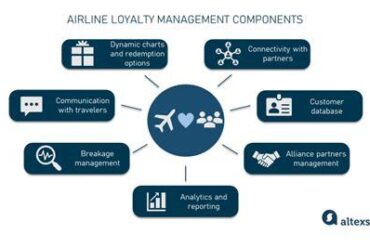
Investment in digital infrastructure has played a central role. The modernization of the LATAM Pass mobile platform has created a seamless environment where users can track miles, redeem rewards, and engage with partner offers in real time. This digital-first approach has significantly increased user engagement frequency, turning occasional travelers into active participants in the ecosystem.
LATAM has also introduced performance metrics that treat loyalty as a primary revenue driver. These include active member ratios, redemption behavior, and revenue contributions linked directly to loyalty activity. This level of financial integration demonstrates how deeply embedded the program has become in the airline’s overall strategy.
A notable development is the introduction of milestone-based reward systems designed to increase user retention and engagement. These mechanisms encourage continuous interaction rather than one-time accumulation, reinforcing long-term loyalty behavior.
The Strategic Importance of LATAM Pass in Airline Economics
The significance of LATAM Pass extends far beyond customer retention. It plays a crucial role in the financial architecture of the airline group. Loyalty programs today are often among the most profitable divisions within airlines, and LATAM is no exception.
A striking indicator of its importance is the frequency with which miles are used in actual flight bookings. According to leadership insights shared by LATAM executives, a flight booked using miles occurs every few seconds, highlighting how deeply integrated the program has become in day-to-day airline operations.
This level of activity reflects a broader transformation in aviation economics. LATAM Pass is no longer just a marketing tool designed to encourage repeat travel—it is a financial ecosystem that supports liquidity, customer acquisition, and long-term revenue stability.
By combining regional aviation growth, deep financial partnerships, historical consolidation, and digital transformation, LATAM has built a loyalty program that operates on multiple economic layers simultaneously.
Conclusion: Why LATAM Pass Continues to Outgrow Expectations
The extraordinary scale of LATAM Pass is not the result of a single strategy but the convergence of multiple powerful forces. Rapid aviation growth in Latin America, aggressive corporate consolidation, deep integration with banking and retail systems, and decades of program evolution have all contributed to its current size.
What makes LATAM Pass particularly unique is its ability to transcend traditional airline loyalty boundaries. It is not simply a rewards program for travelers—it is a mass-market consumer ecosystem that touches financial services, retail behavior, and digital engagement across an entire region.
As Latin America continues to expand its aviation footprint and digital economy, LATAM Pass is positioned to grow even further. Its trajectory suggests not just sustained expansion, but continued evolution into one of the most influential loyalty platforms in global aviation.